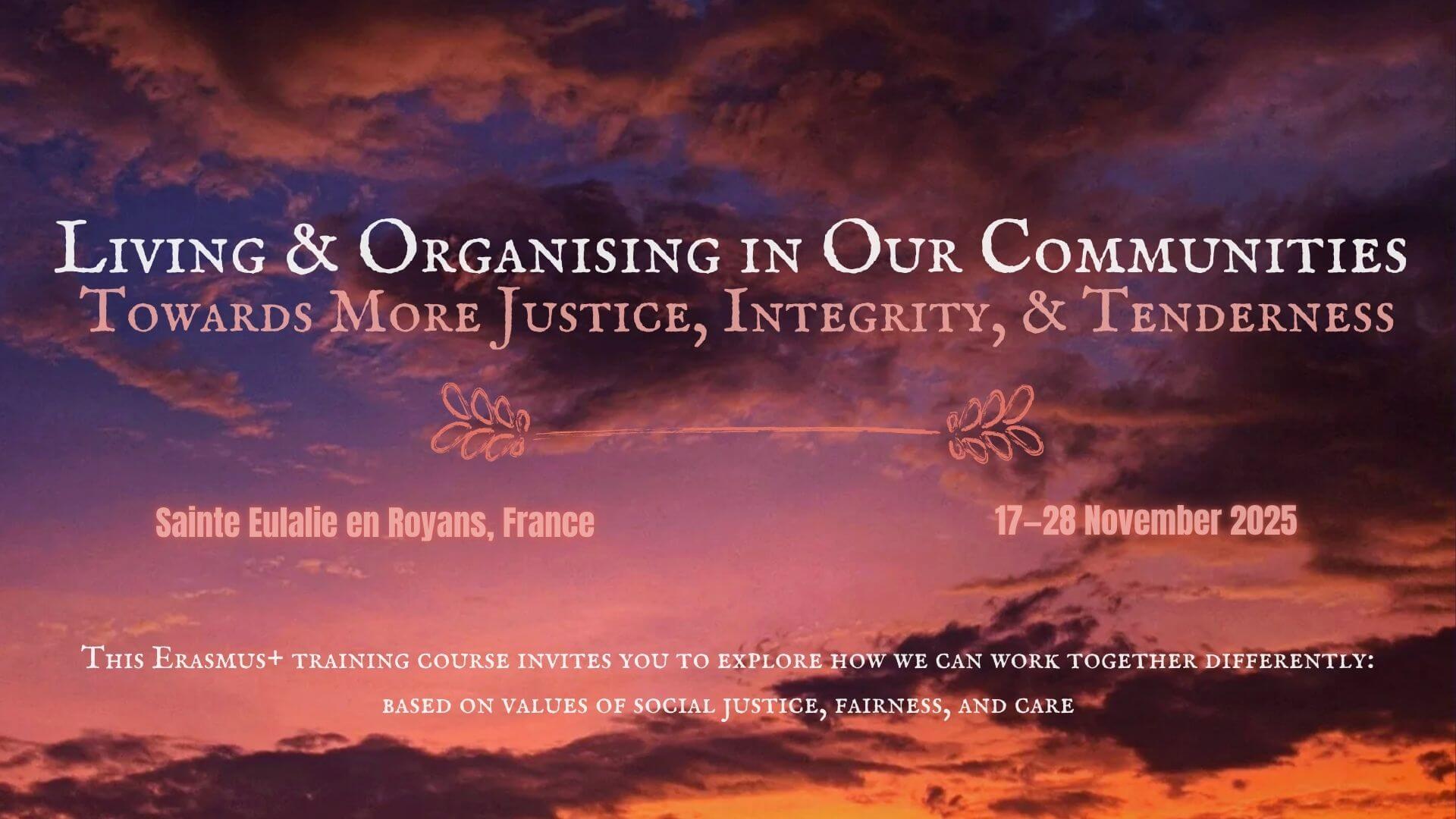
ERASMUS+, Key action 1: training course
Dates: 17—28 November 2025
Venue: Sainte Eulalie en Royans, France
Czech team: 4 participants
Please read the info-pack.
Hosting organisation: La Rapugada
Project report:
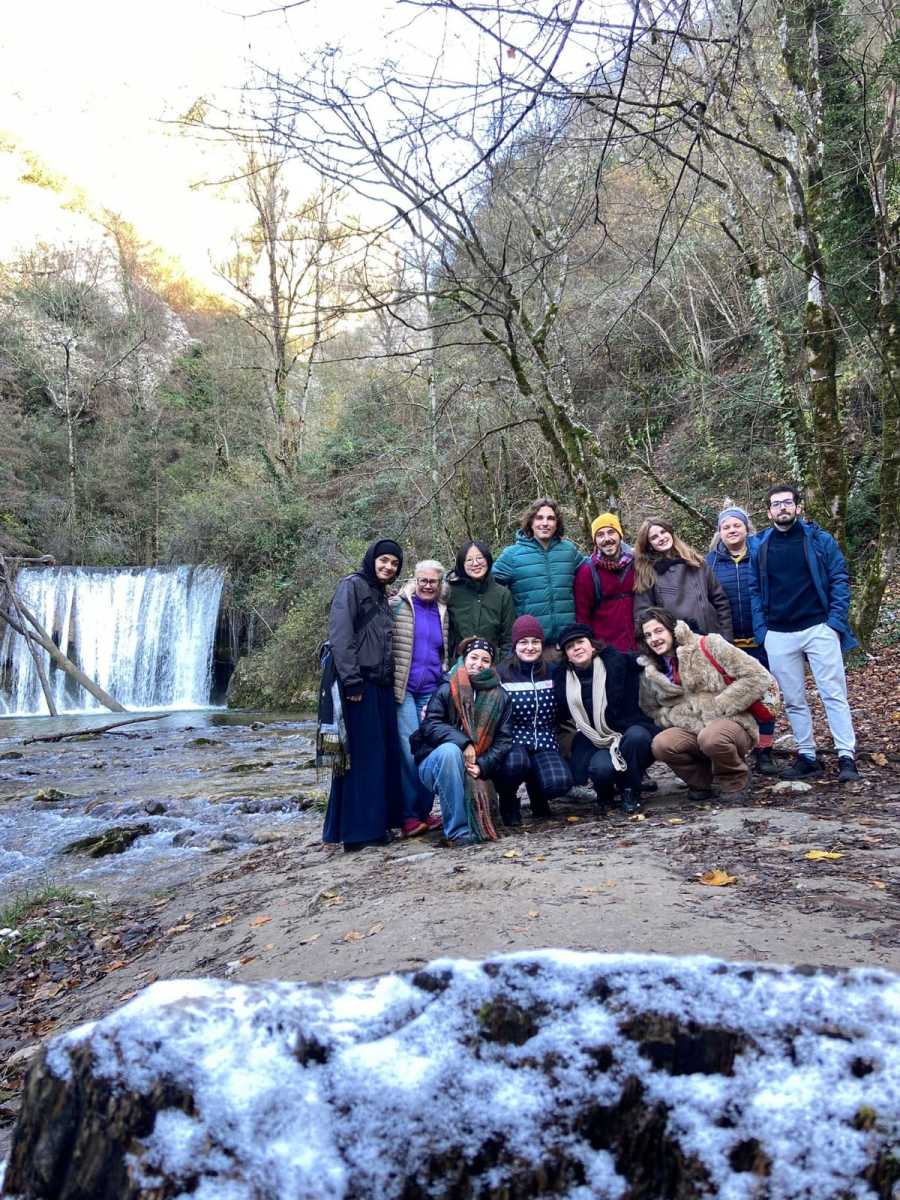
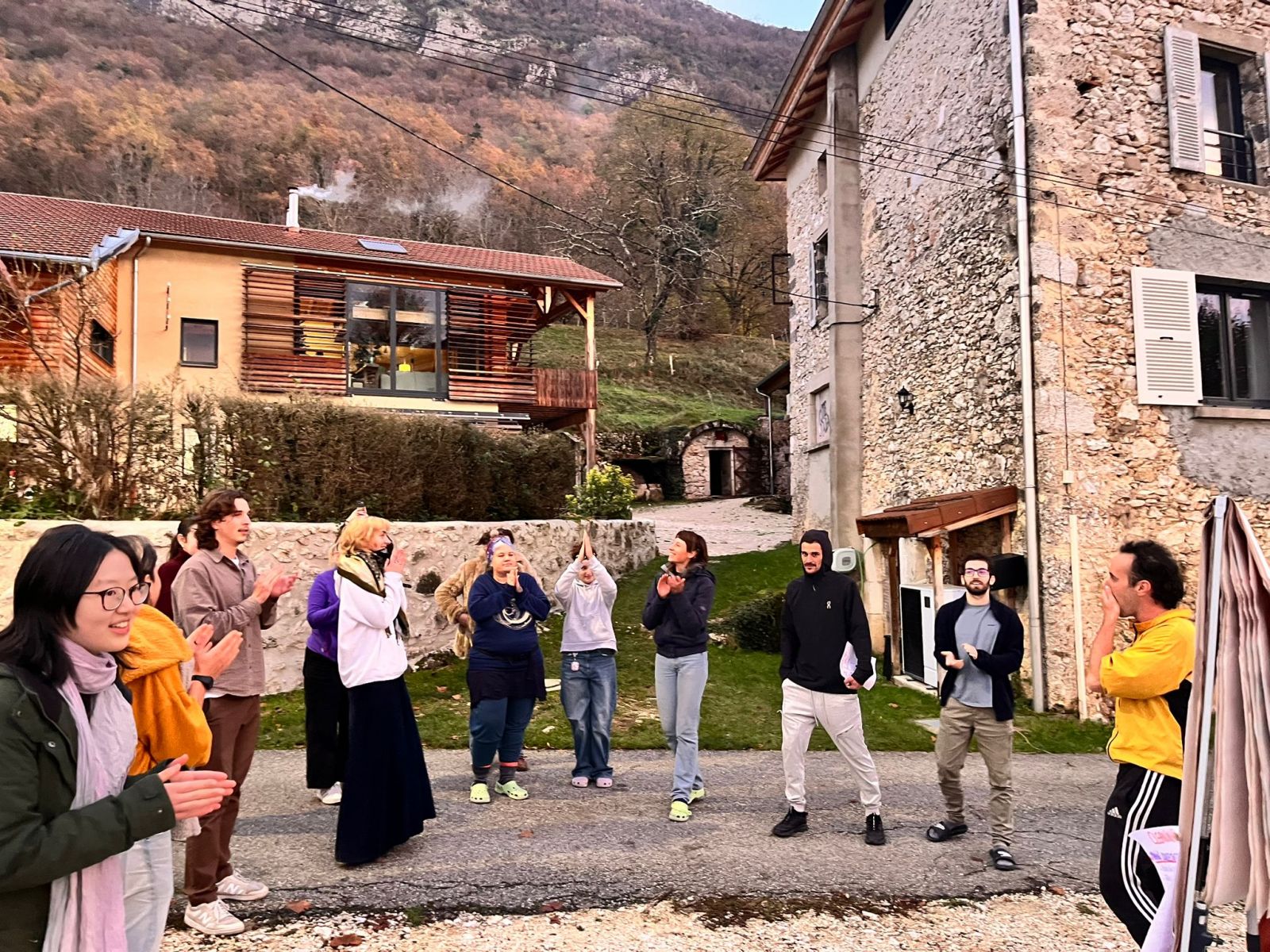
From 17 to 25 November, two other students from the Czech Republic and I attended a training course titled “Living & Organizing in Our Communities.” The project was organized by La Rapugada and took place in Sainte-Eulalie-en-Royans, France. Participants came from all around Europe: Germany, Romania, Portugal, Belgium and of course France.
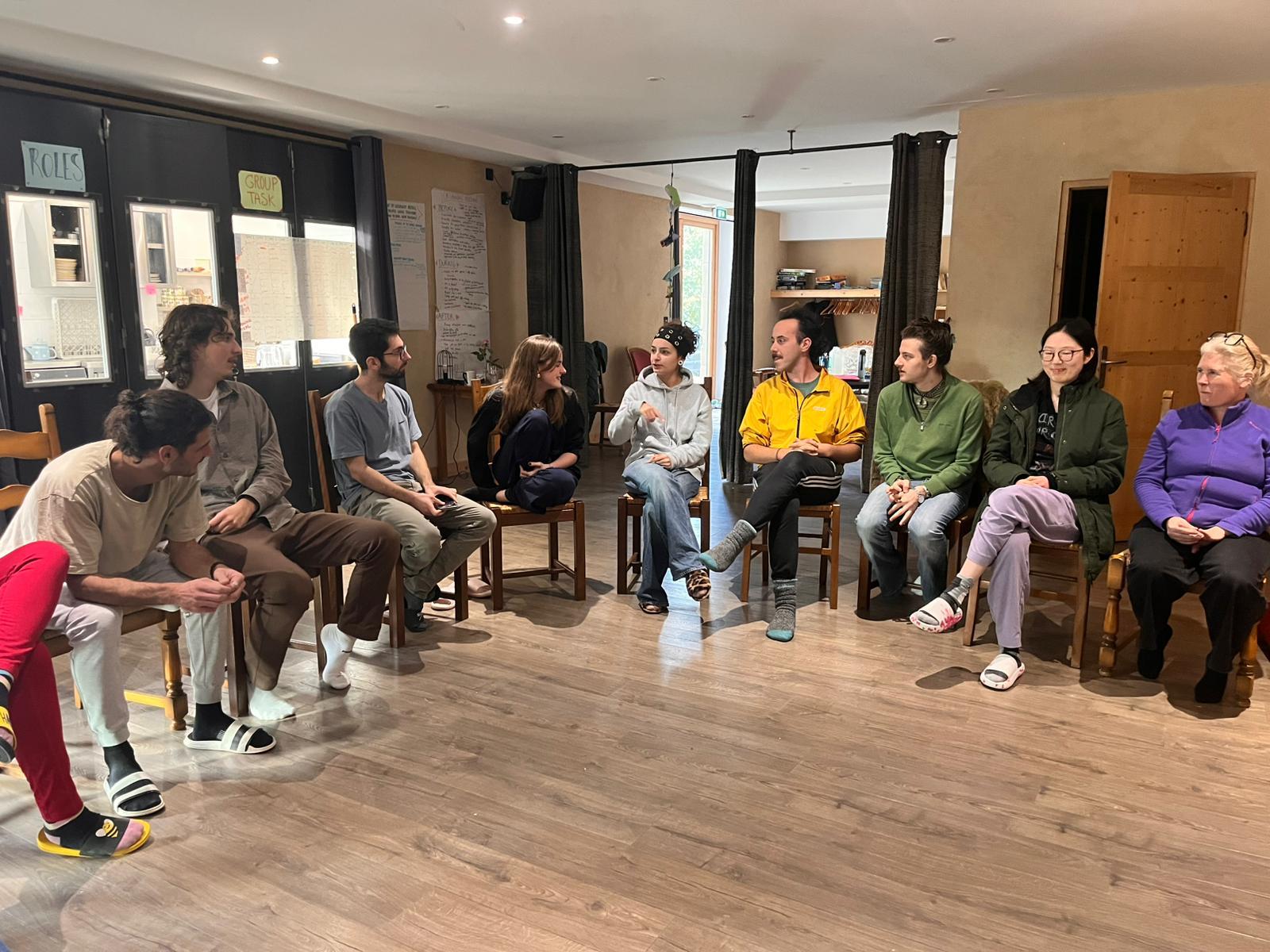
The accommodation consisted of three dormitories, where we slept and rested as needed. However, we spent most of our time in the common areas, which included the kitchen, dining room, the main room where the majority of our activities were held, and a coffee room.
On the first day, we were introduced to the program and the activities planned for the following ten days. We also divided the daily responsibilities among ourselves, which included preparing breakfast and dinner, cleaning, and creating the booklet.
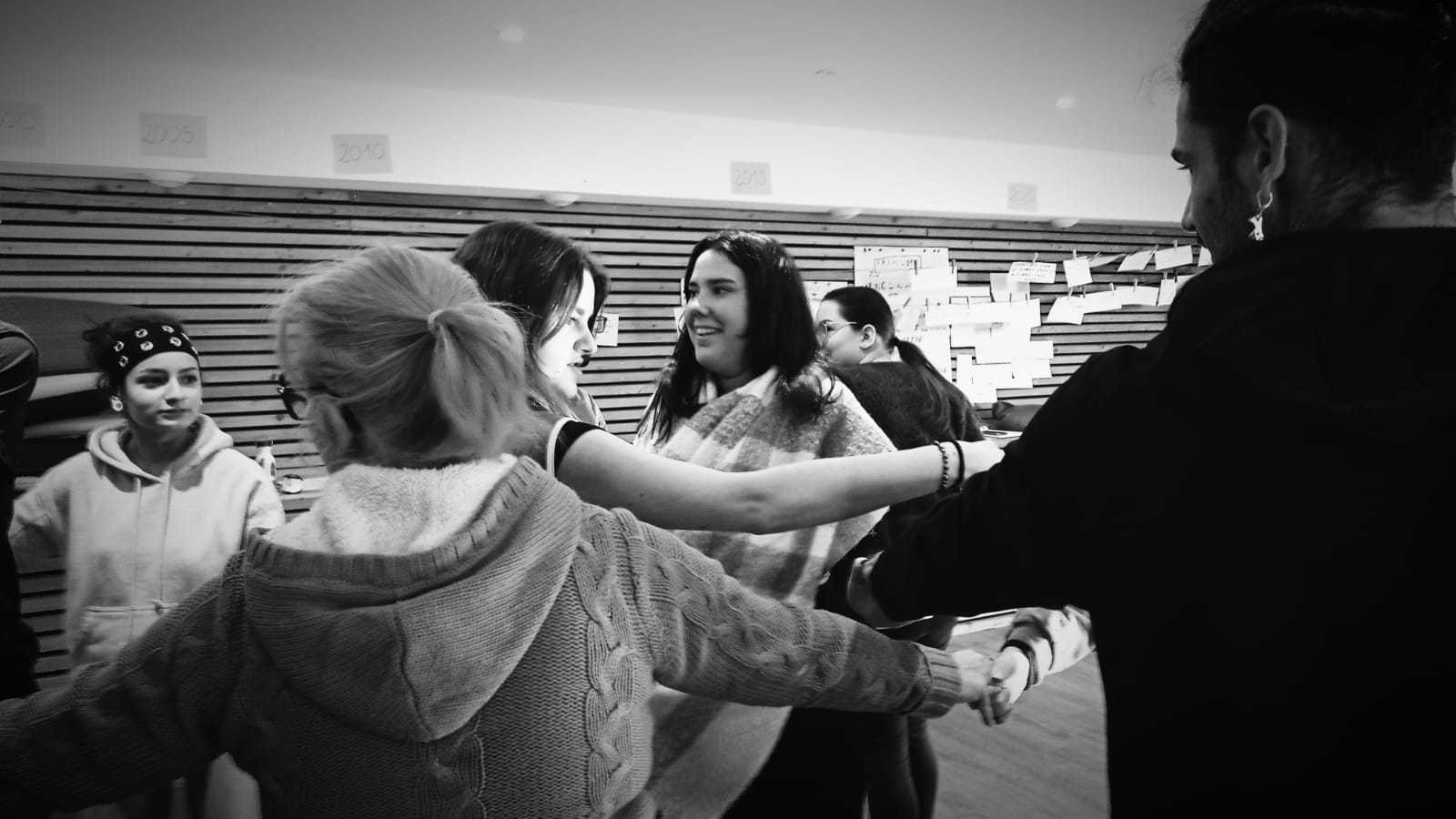
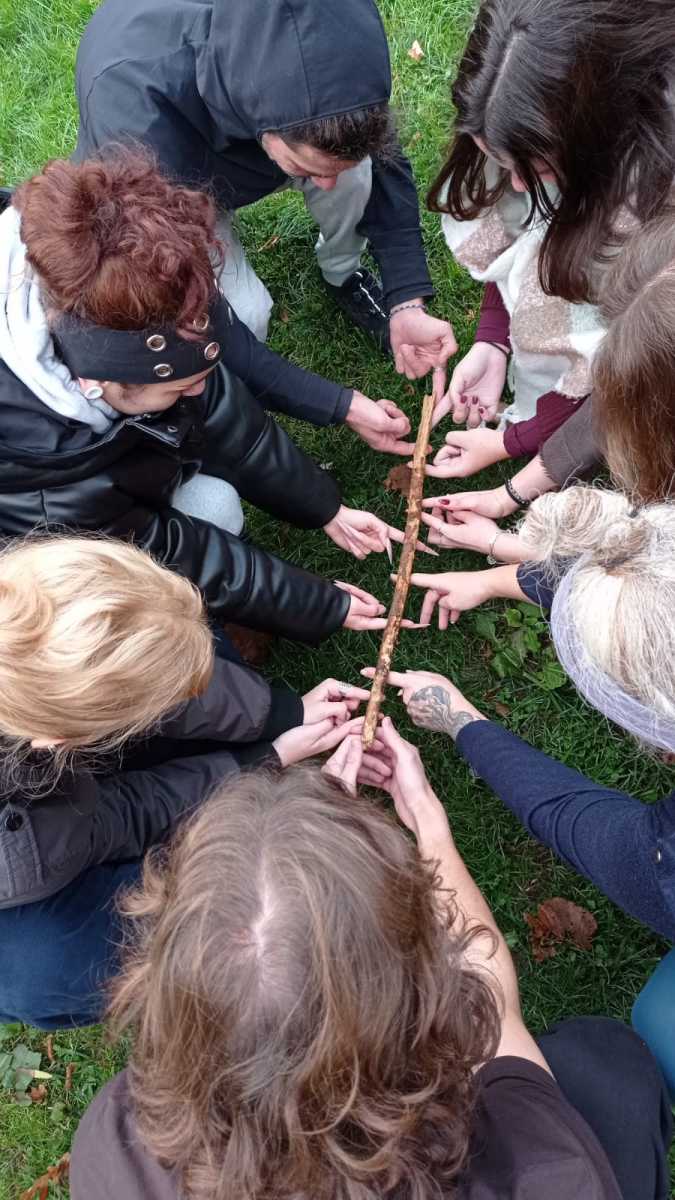
Many of the activities included icebreakers, especially at the beginning of the project, to help us get to know one another. The program was filled with engaging discussions, games, and activities, and it also included two full free days. We explored several well-known techniques related to community work, such as Theatre of the Oppressed and the Burning Question / Powerful Question methods. We also learned a great deal about facilitating meetings and debates, as well as strategies for managing conflicts.
Each day began at 9:00 a.m. with an assembly, during which we reflected on the previous day and spoke with one another before starting the main activities. At noon, we moved on to group tasks, followed by lunch. The afternoon session began at 2:30 p.m. with the continuation of the planned activities. Before dinner, we always participated in what was called “Islands,” during which we sat together in smaller groups and discussed the day in general. Often, the organizers provided us with specific questions to guide our reflections.
We also learned a great deal about different cultures, not only through conversations with other participants but also through the cultural nights. These evenings featured dinners prepared by participants from particular countries, music, and a lot of fun.
To sum up, the project was a very pleasant and enriching experience. I will never forget the memories I made and the amazing people I had the opportunity to meet. My sincere thanks go to everyone who helped make this project possible.