Erasmus+, Key action 1: training course
Dates: 2—9 February 2026
Venue: Terme Sv. Martin na Muri, Croatia
Czech team: 3 participants
Please read the info-pack.
Hosting organisation: LUMEN – Ludbreška udruga mladih entuzijasta
Project report:
Hello from Croatia!
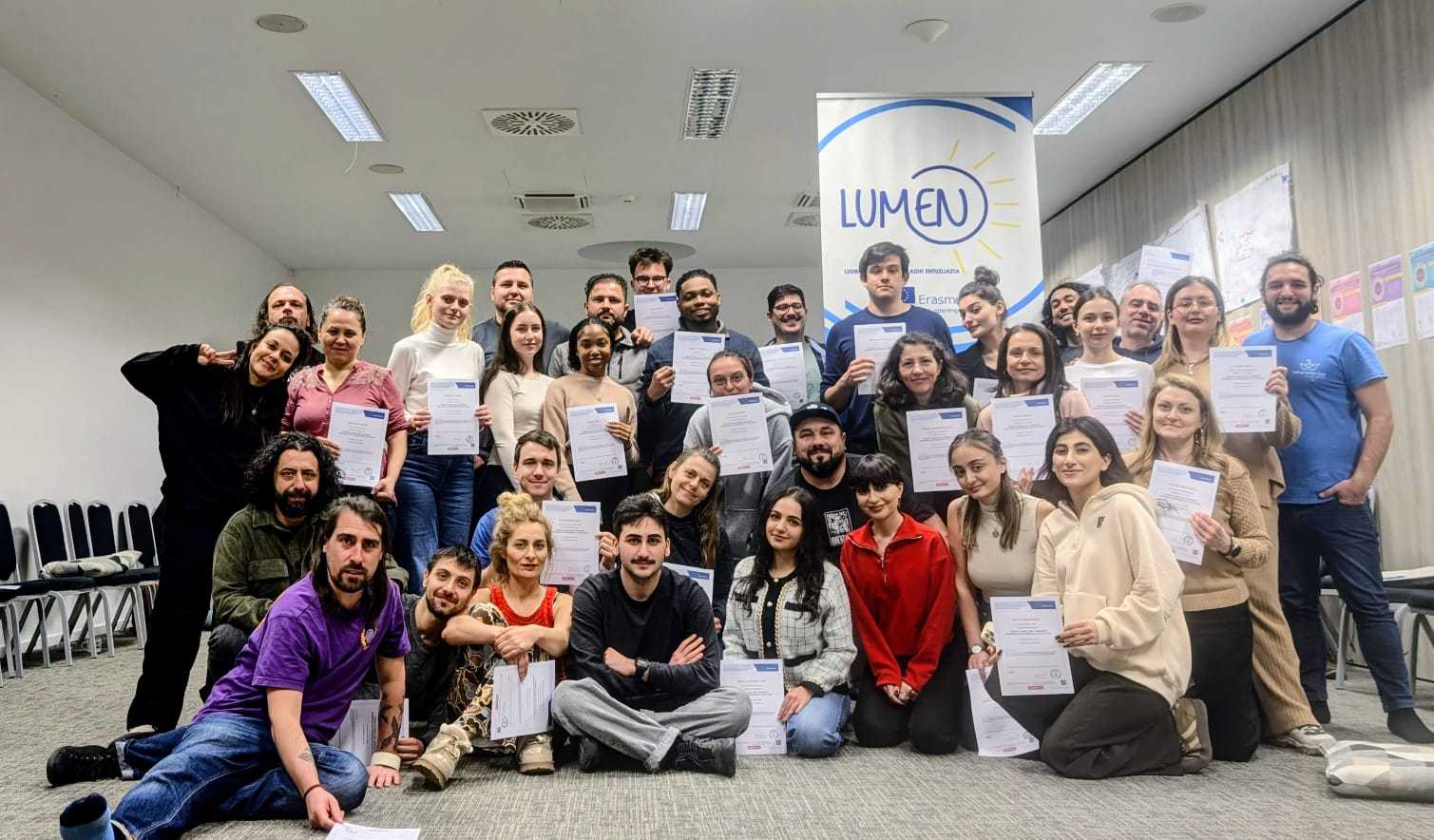
At the beginning of February 2026, we met in Sveti Martin na Muri as a group of motivated youth workers, educators and community oriented people from different European countries to take part in the Erasmus+ training course *CARE: Community Awareness and Regenerative Ecosystems*.
From the very first day, we could feel that the project was focused on learning through experience and reflection rather than traditional classroom education. The main theme of the training course was permaculture, understood not only as a way of working with nature, but also as a mindset applicable to communities, youth work and personal development. Throughout the week, we explored the core permaculture ethics Care for Earth, Care for People and Fair Share and reflected on how these principles can influence everyday decisions and social processes.
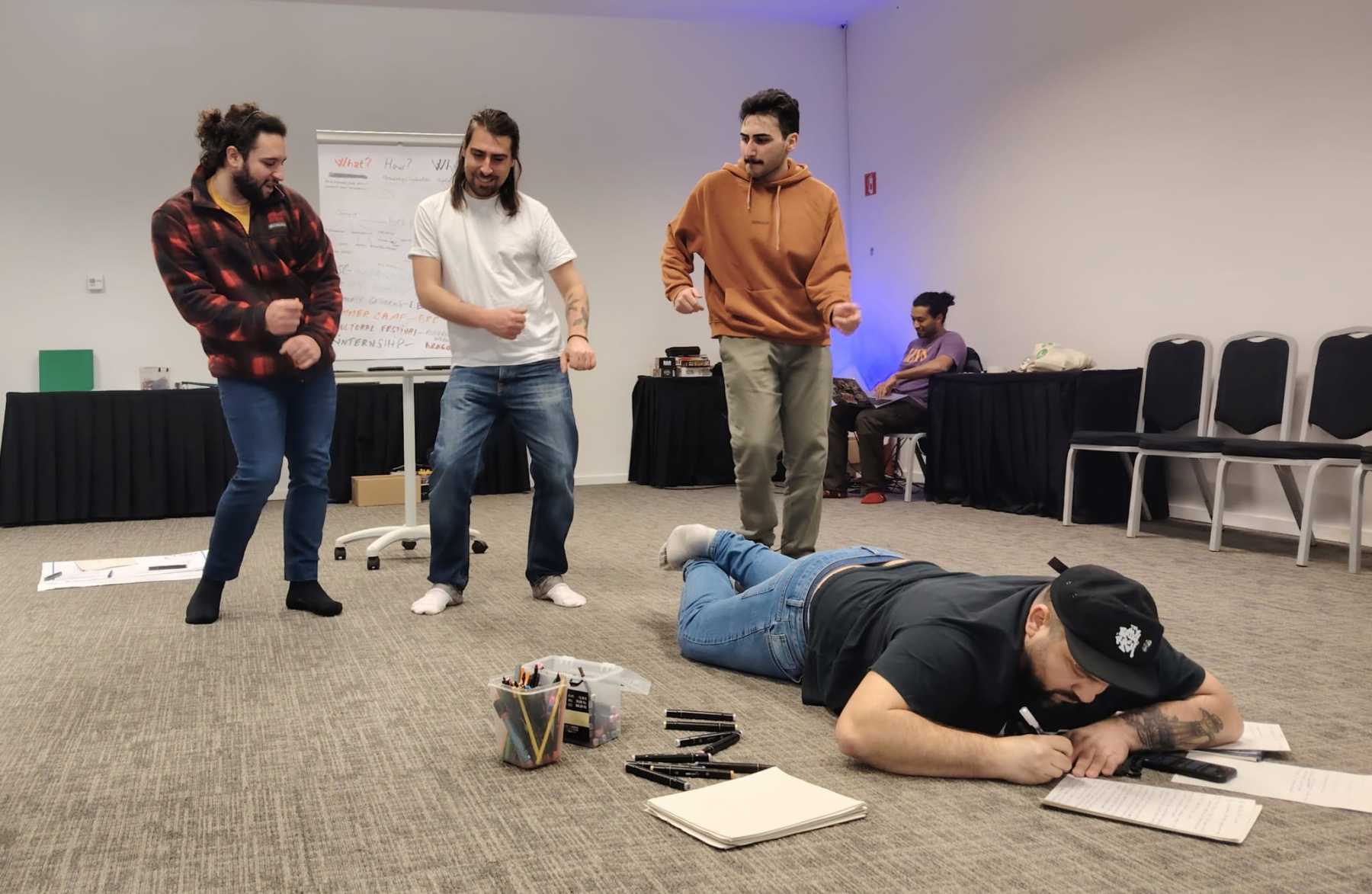
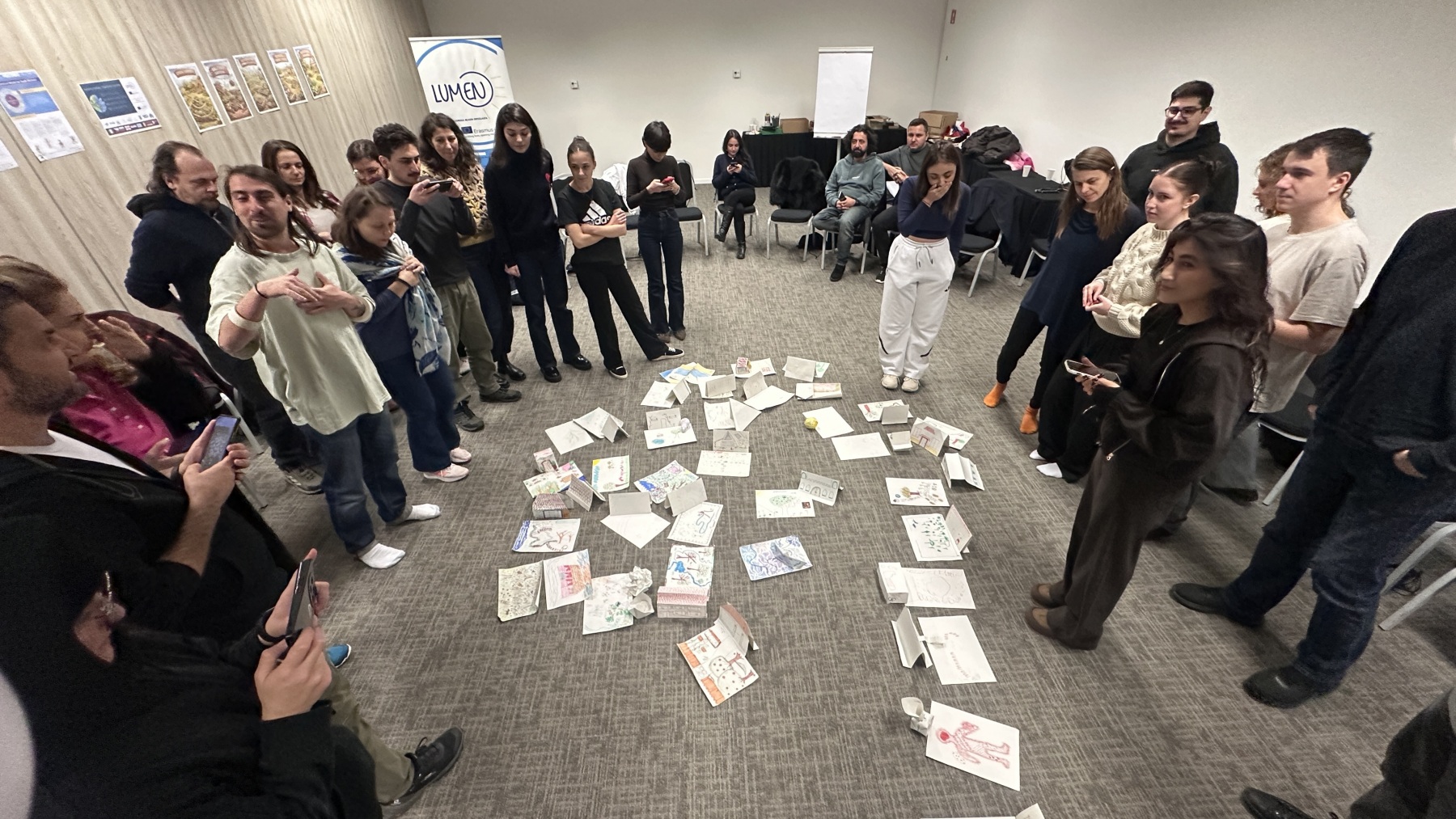
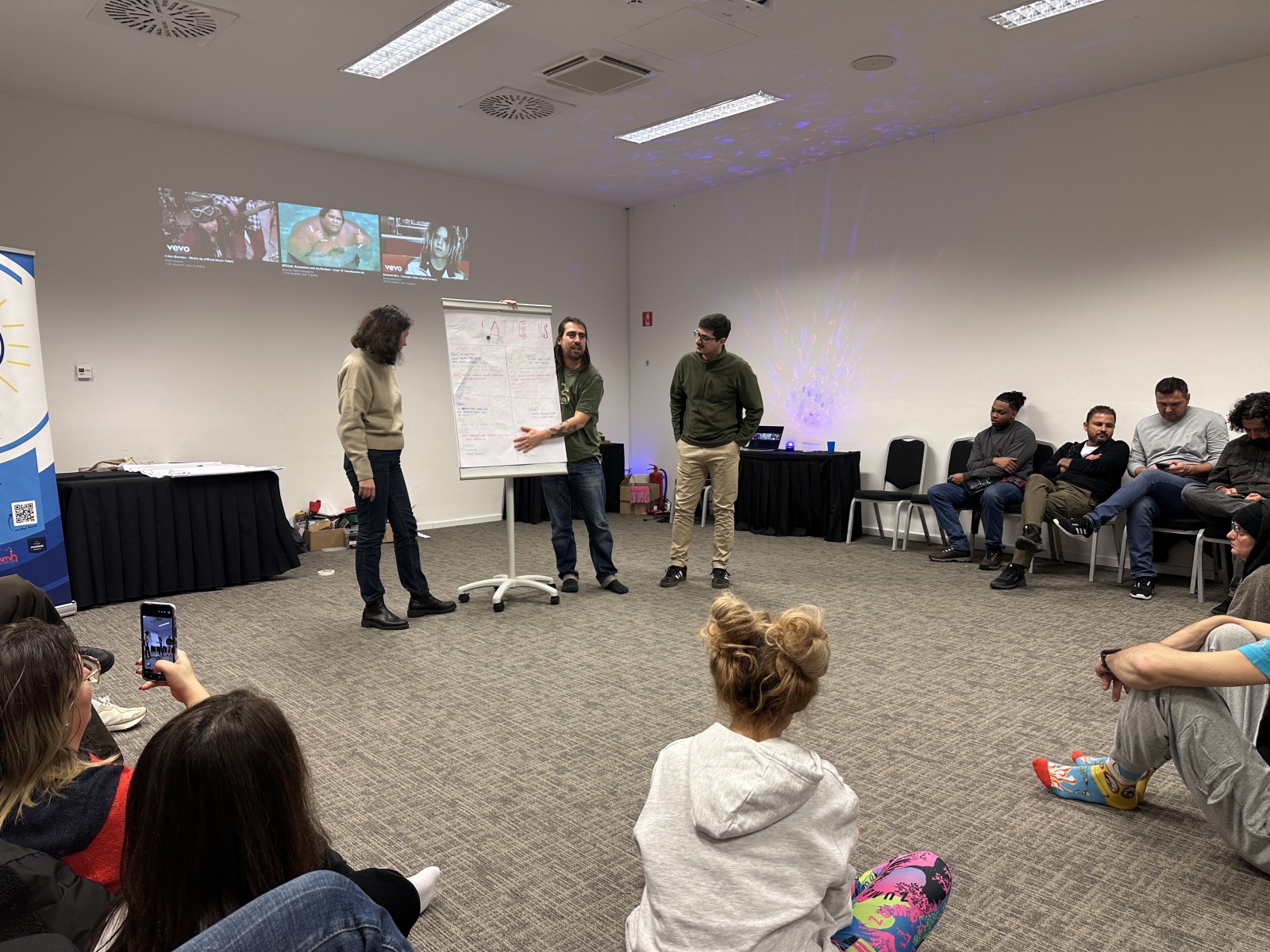
A large part of the programme was dedicated to creative and reflective activities. We worked in international groups on designing our own ideal communities based on the 12 principles of permaculture and planned activities that could support sustainability, inclusion and shared values. We also spent time on self reflection through creative methods such as drawing personal gardens and houses as symbols of our present selves and future aspirations.
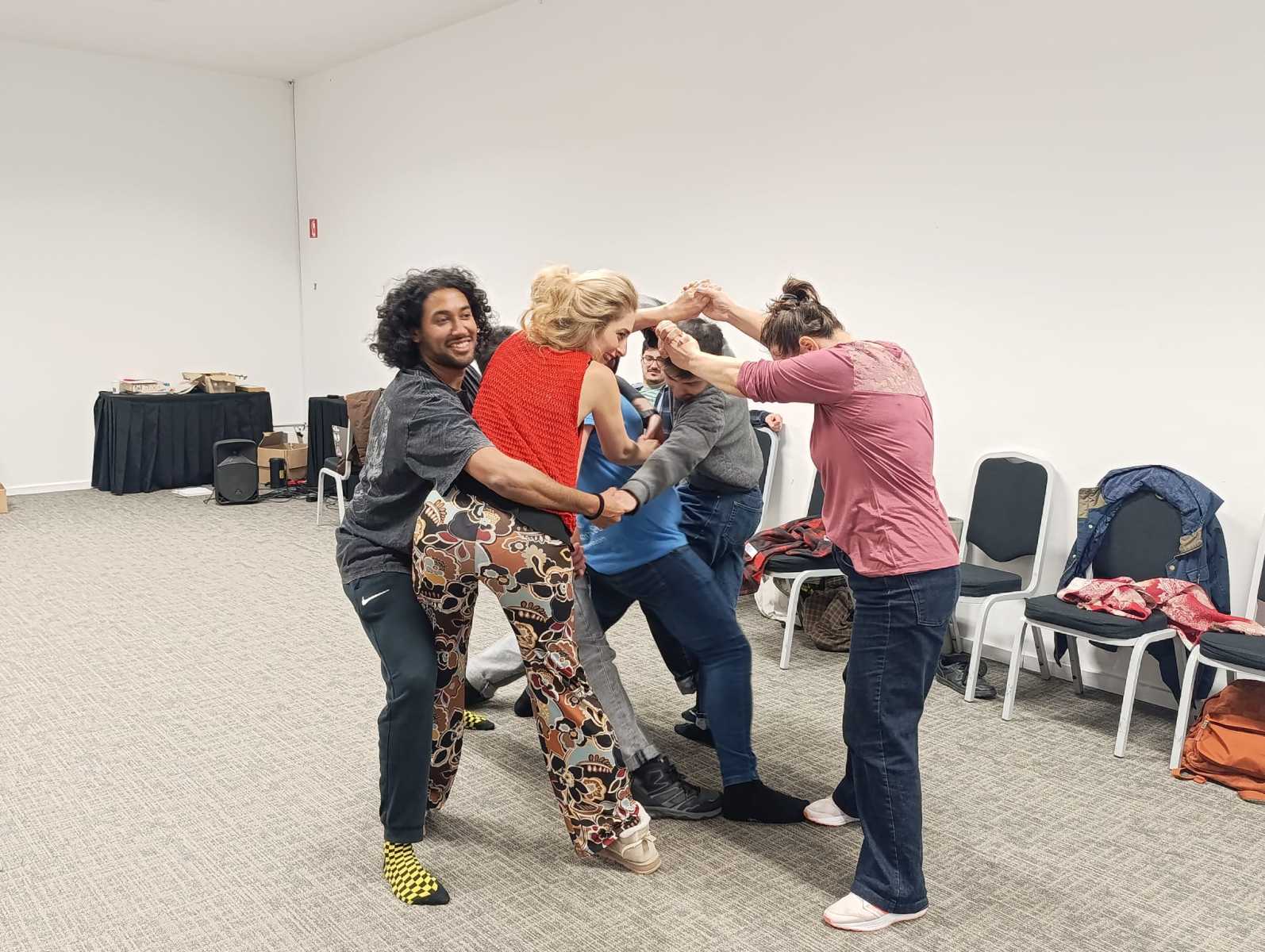
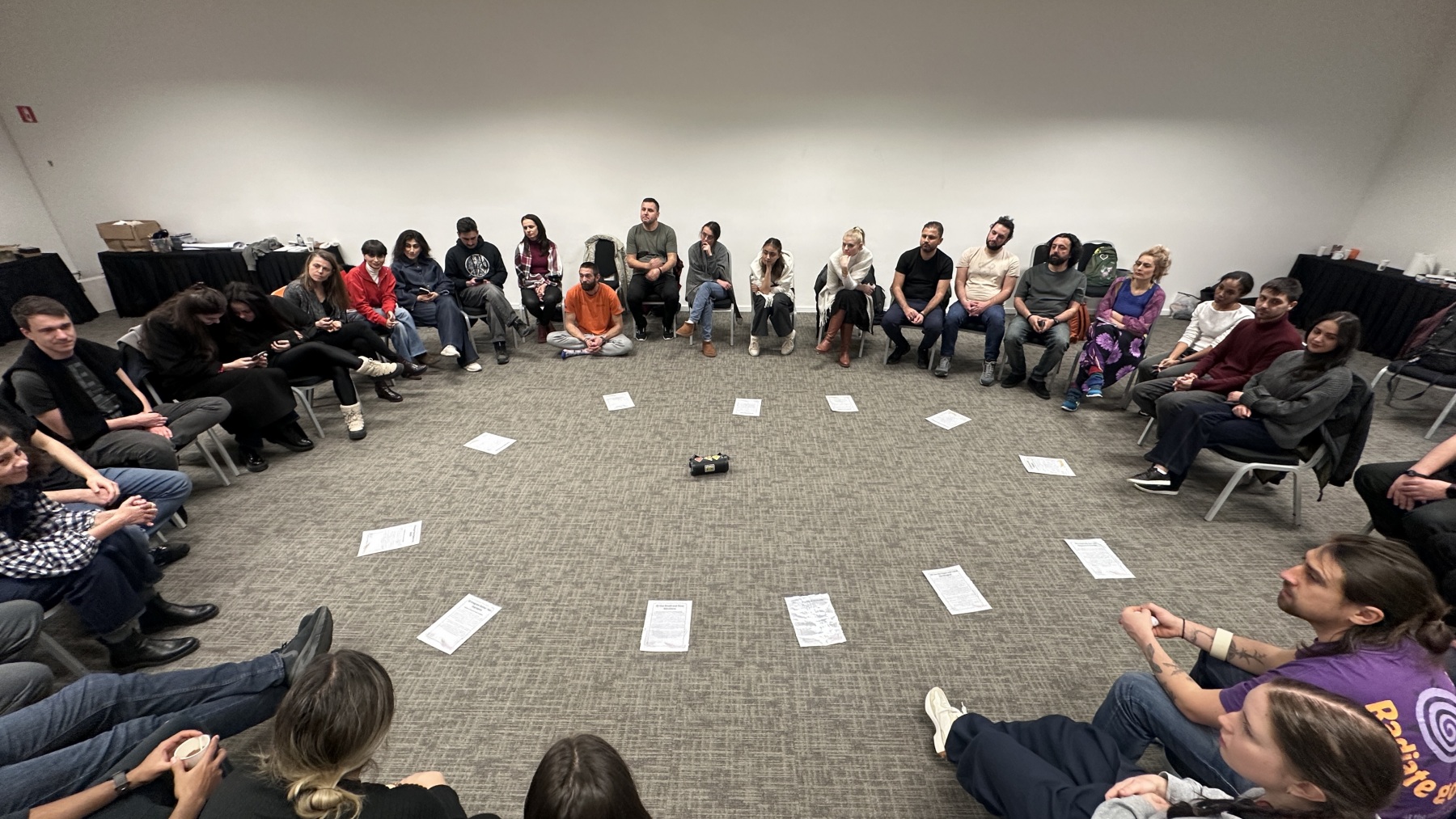
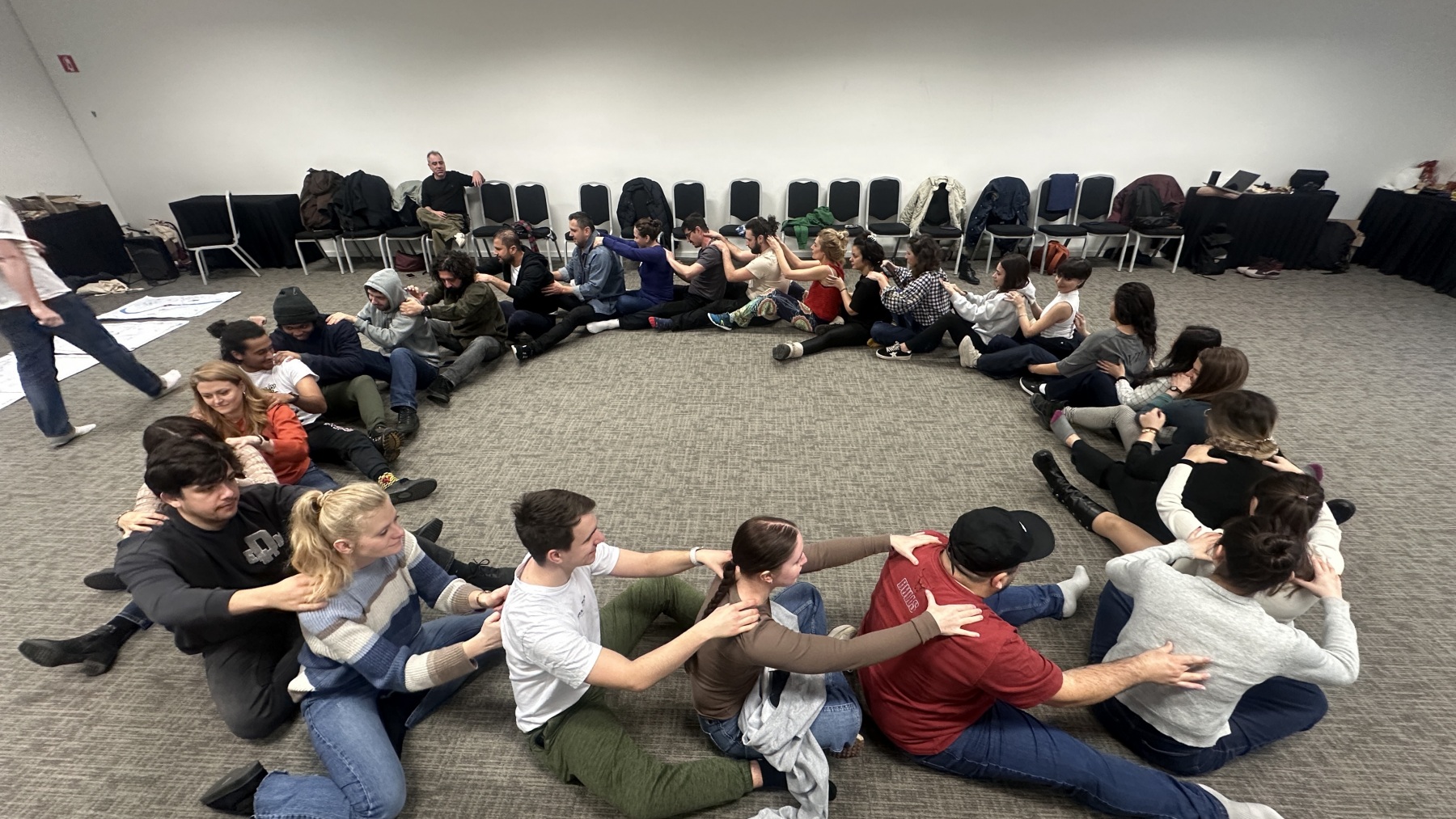
Another important element of the project was sharing experiences from our home countries and reflecting on how community and social processes function in different contexts. Theatre based activities, where we embodied plants and natural elements, helped us translate abstract ideas into personal experiences and encouraged deeper understanding.
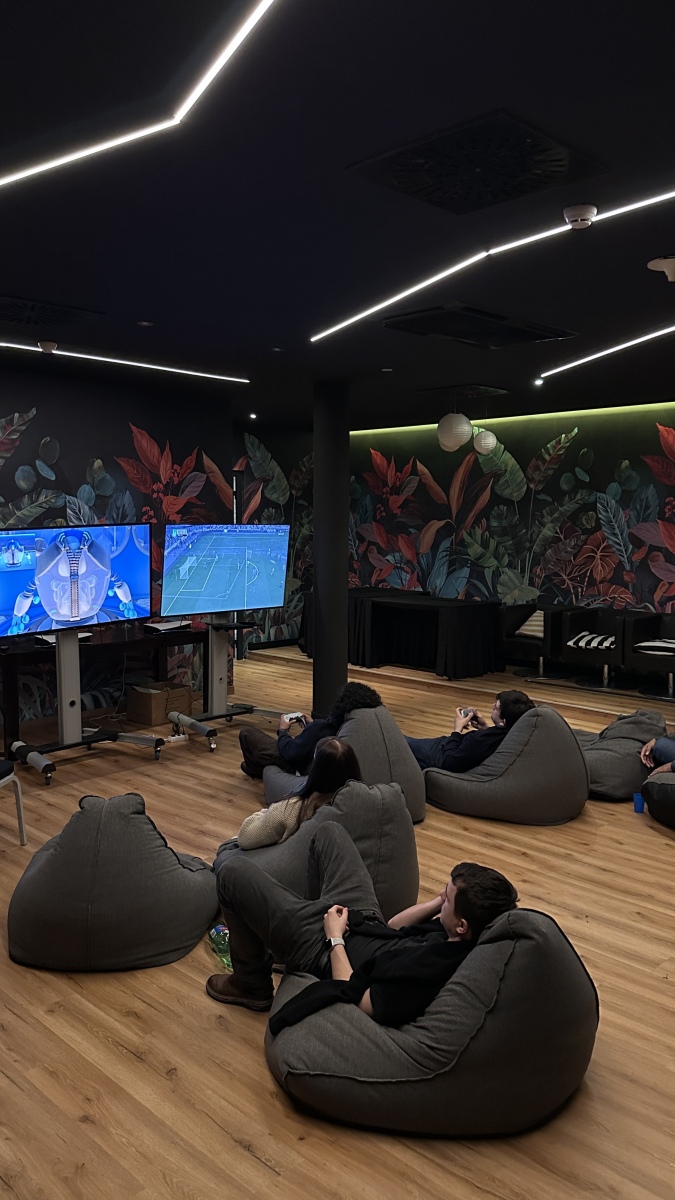
Although the daily programme was quite intensive and usually lasted from morning until late afternoon, the atmosphere within the group was very open and friendly. We all came from different non governmental organisations, which created a valuable space for networking, inspiration and exchange of good practices.
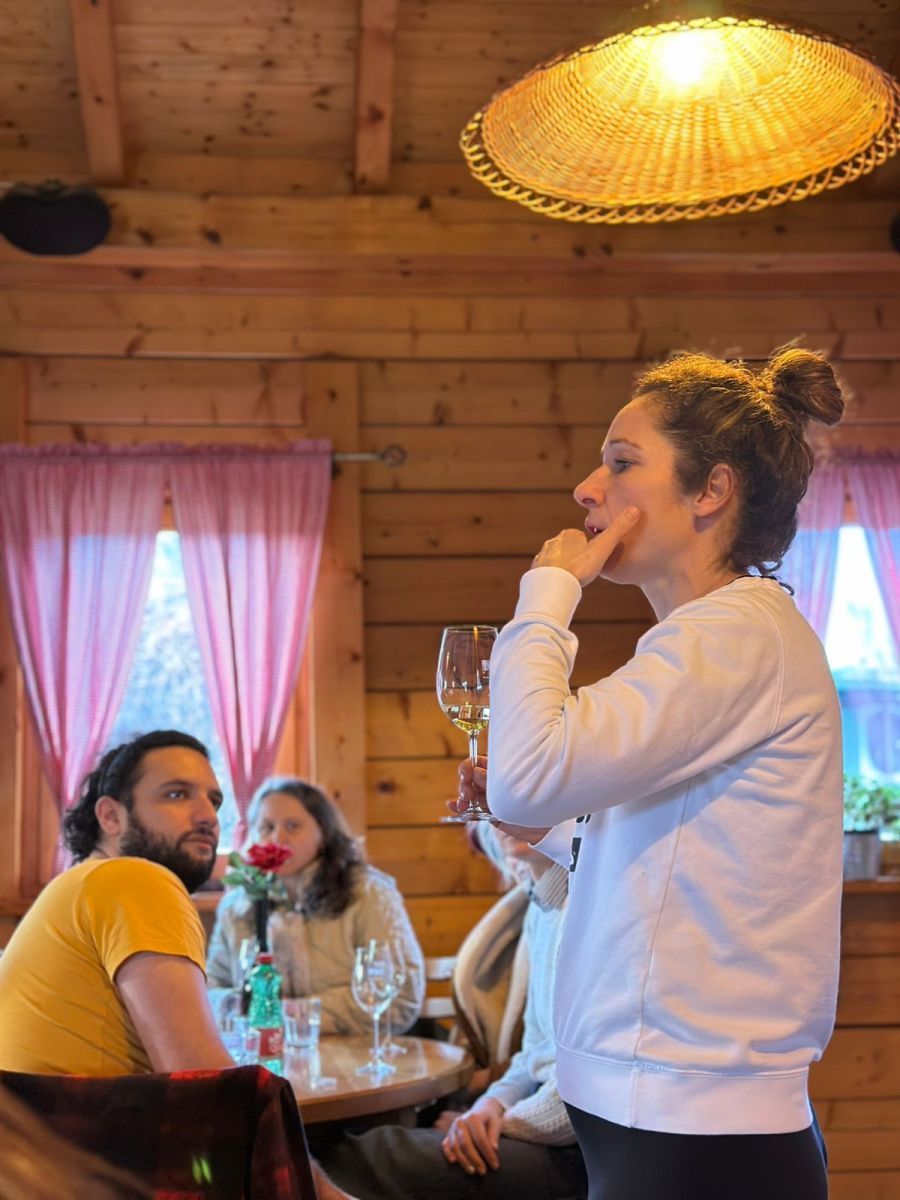
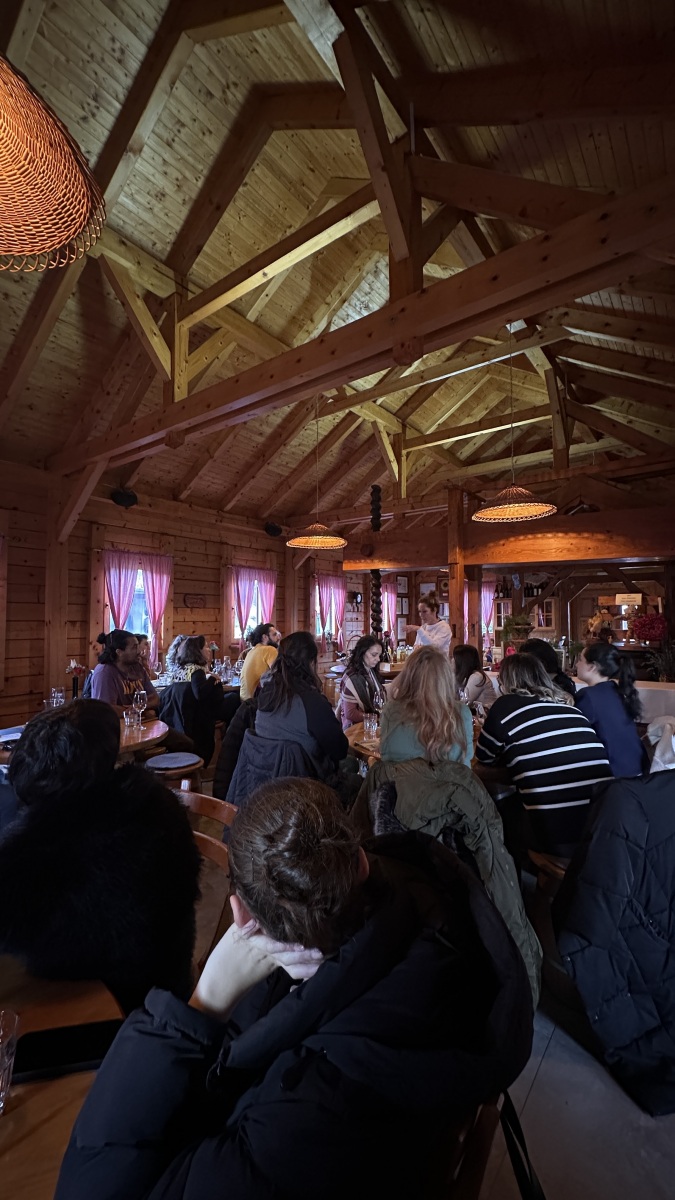
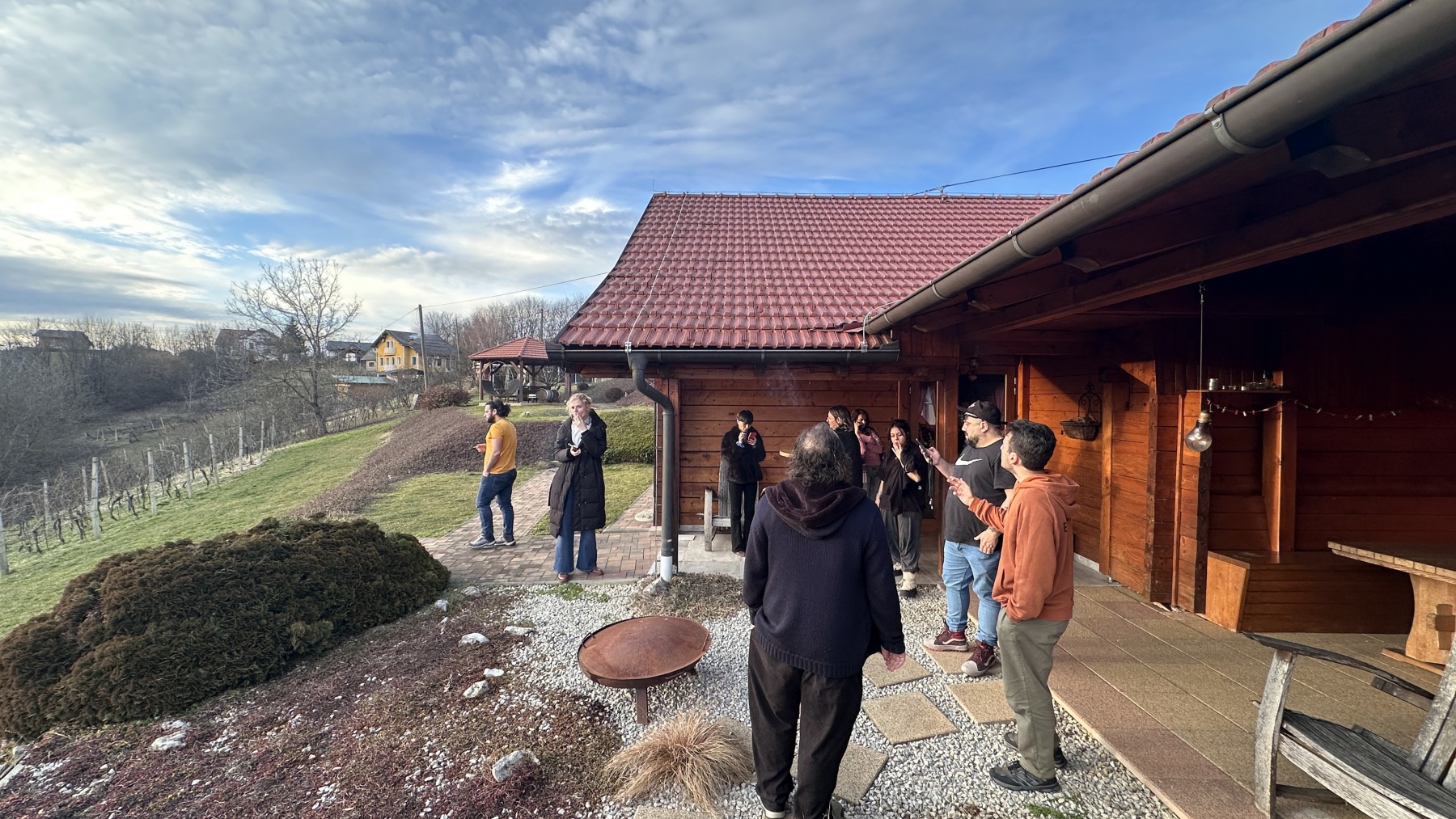
One of the highlights of the project was a visit to a local winery, where we learned about the life and work of a local producer. This experience connected the themes of sustainability and community with real life practice and local tradition.
By the end of the project, we gained a broader perspective on sustainability and learned to think more in connections rather than isolated actions. Working in groups supported our communication skills, teamwork and reflection. Through a final creative task, we also improved our digital skills and experienced the full process of creating a shared outcome.
To sum it up, the CARE training course offered us a meaningful space for reflection, creativity and building connections. We would recommend this project to anyone interested in community development, environmental topics, creative learning methods and working with young people.
Karolína K.