ERASMUS+, Key action 1: training course
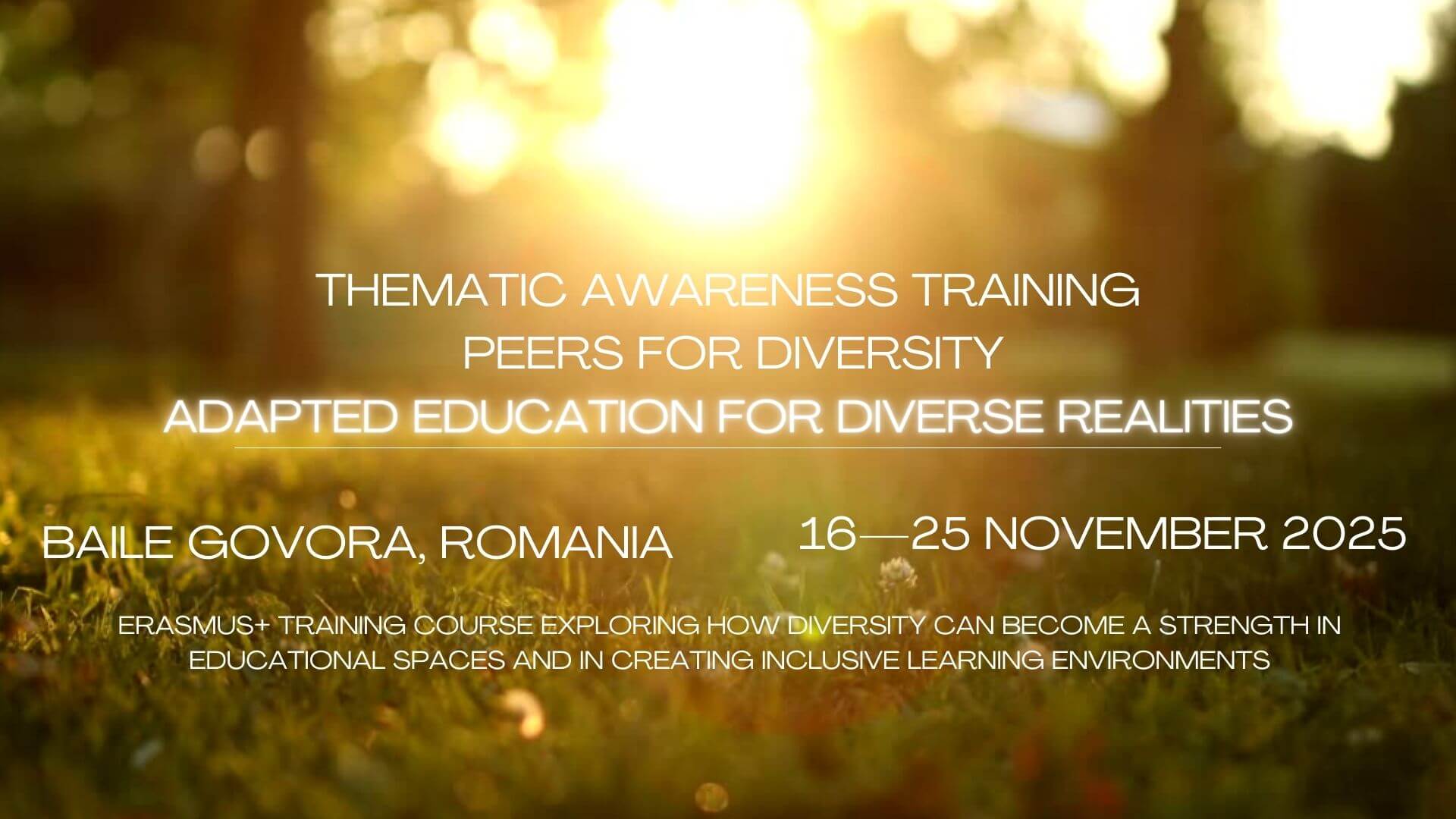
Dates: 16—25 November 2025
Venue: Baile Govora, Romania
Czech team: 1 participant – youth worker
Please read the info-pack.
Hosting organisation: Ofensiva Tinerilor
Project report:
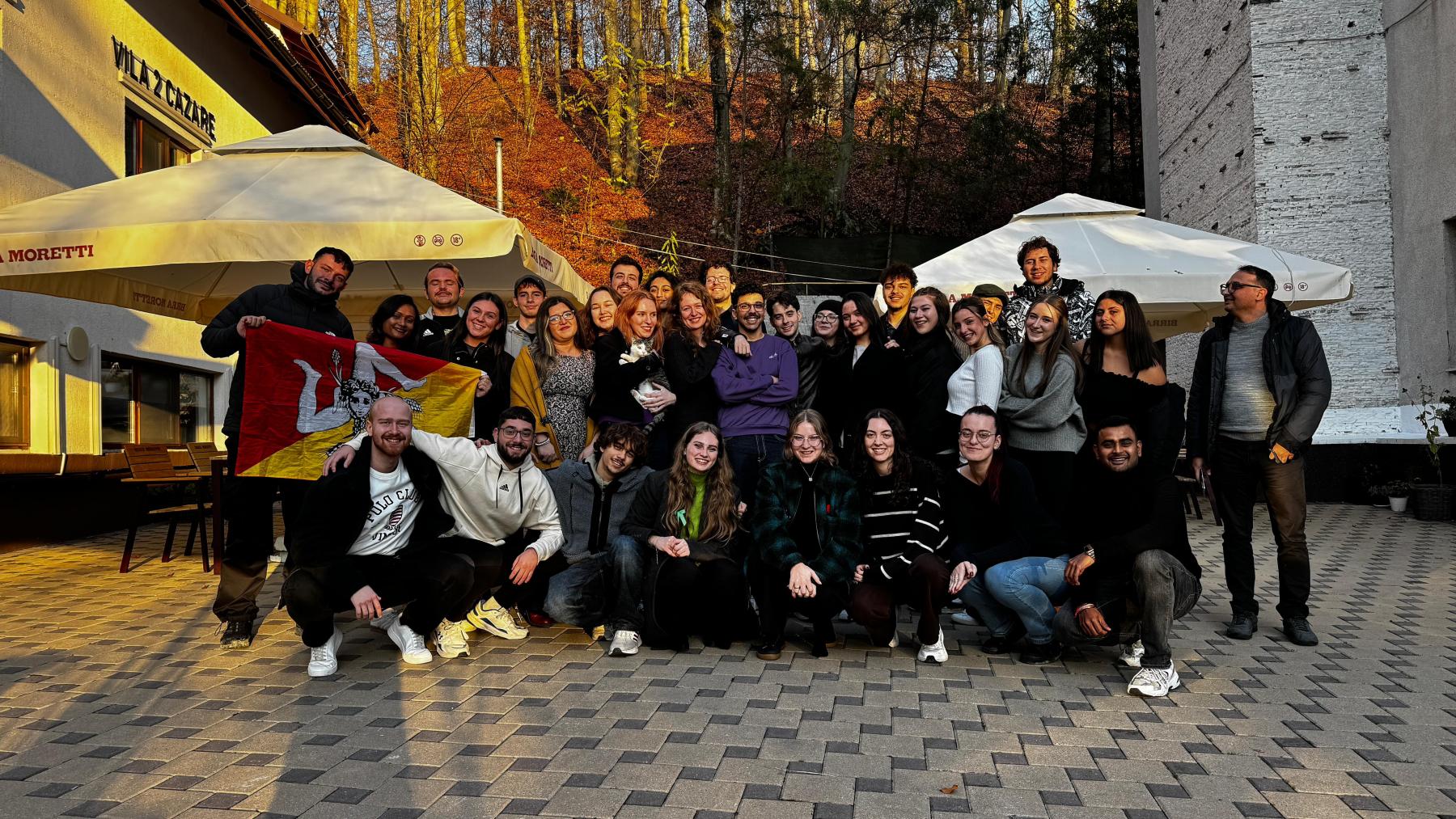
This project took place between 16 and 24 November 2025. It was held in the small spa town of Băile Govora, located approximately three hours from the capital city, Bucharest. In total, 33 participants from various European countries took part, including Denmark, Sweden, Bulgaria, Serbia, North Macedonia, Spain, Italy, Lithuania, Hungary, Greece, Slovakia, the Czech Republic, and the host country, Romania.
The project was guided by an excellent facilitator, Sergiu, a local coordinator with a strong theoretical background, a great sense of humour that always made us laugh, and, most importantly, an incredible sense of kindness and willingness to help.
Accommodation, meals, and the overall project facilities were provided at Villa Crisantema, where we were served three warm meals a day as well as snacks between the sessions. One of the days was also left free for an excursion or a visit to the well-known local spa.
This was my second project, and my expectations were mixed. It was my first time in Romania, my first time being the only Czech participant in the group, and also my first experience in such a large international group. Naturally, I had some concerns, but curiosity and excitement prevailed.
Before the project started, I decided to spend some time getting to know Romania. I visited Bucharest and explored some of the country’s most famous castles. During this time, I had already met new people, which reassured me that socialising in a larger group would not be a problem. On Sunday, 16 November, my journey continued towards the small spa town. The transportation there was not entirely easy, but fortunately the organisers had anticipated this and helped us arrange transfers from nearby larger cities, which was greatly appreciated.
The hotel where we stayed is historically known for hosting the former Romanian dictator Nicolae Ceaușescu, who even had his own private apartment there. Although none of us stayed in it, a few participants had the opportunity to visit it on the first day.
The first dinner was full of introductions and meeting new faces. Already that evening, all my initial worries about the group disappeared. Everyone was very open and friendly, and I immediately felt that this project would be rich not only in the exchange of ideas and knowledge, but also in the creation of new friendships.
The first official day of the project, Monday, was mainly dedicated to getting to know each other. Remembering more than thirty new names was certainly not easy, but everyone did their best. On the same day, we were introduced to the main topic of the project, which accompanied us throughout the following seven days – “Peers of Diversity.” We discussed what to expect from the topic, what activities awaited us, and how we would work together. Most of the topics were already familiar to me from my university studies, so I had a basic theoretical background. However, I was especially looking forward to the discussions and to hearing perspectives from people coming from different countries.
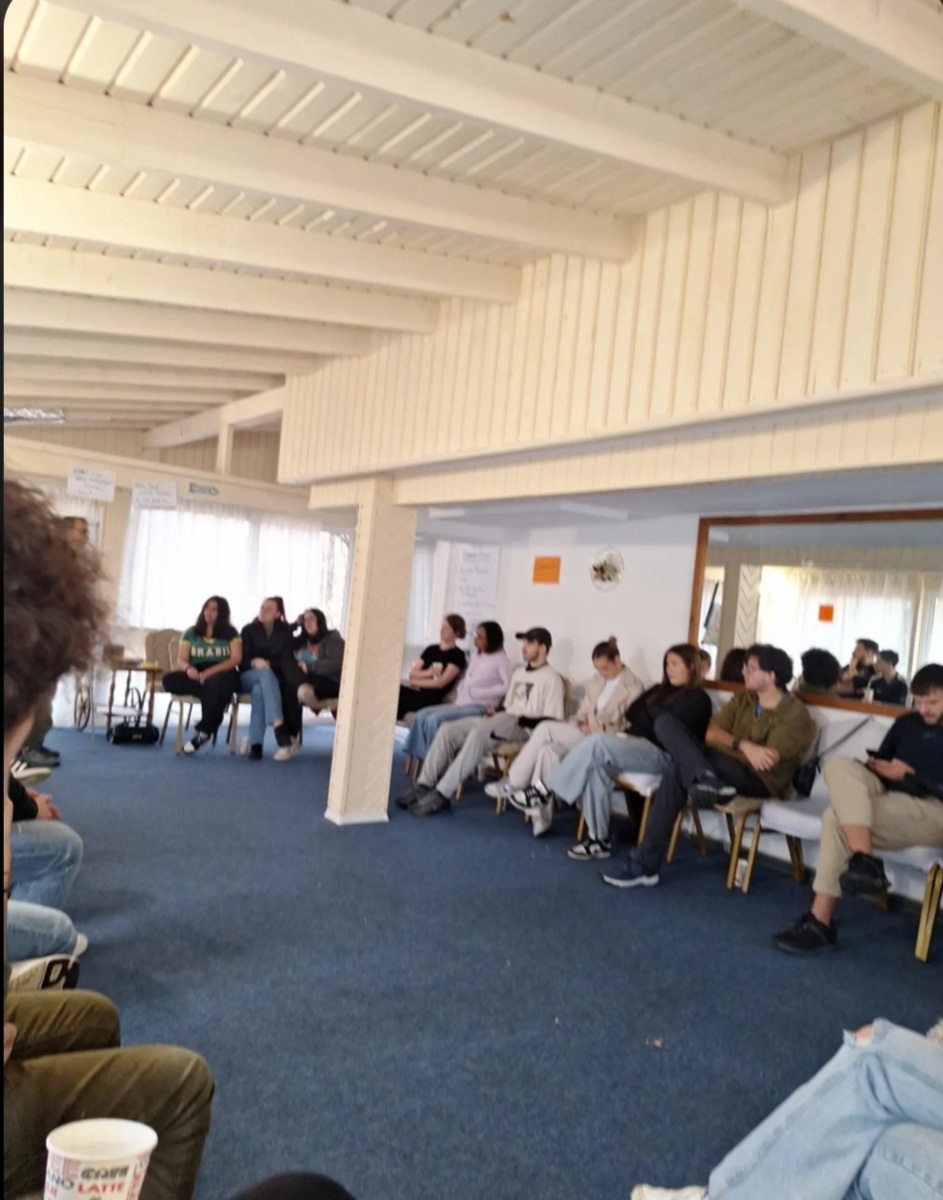
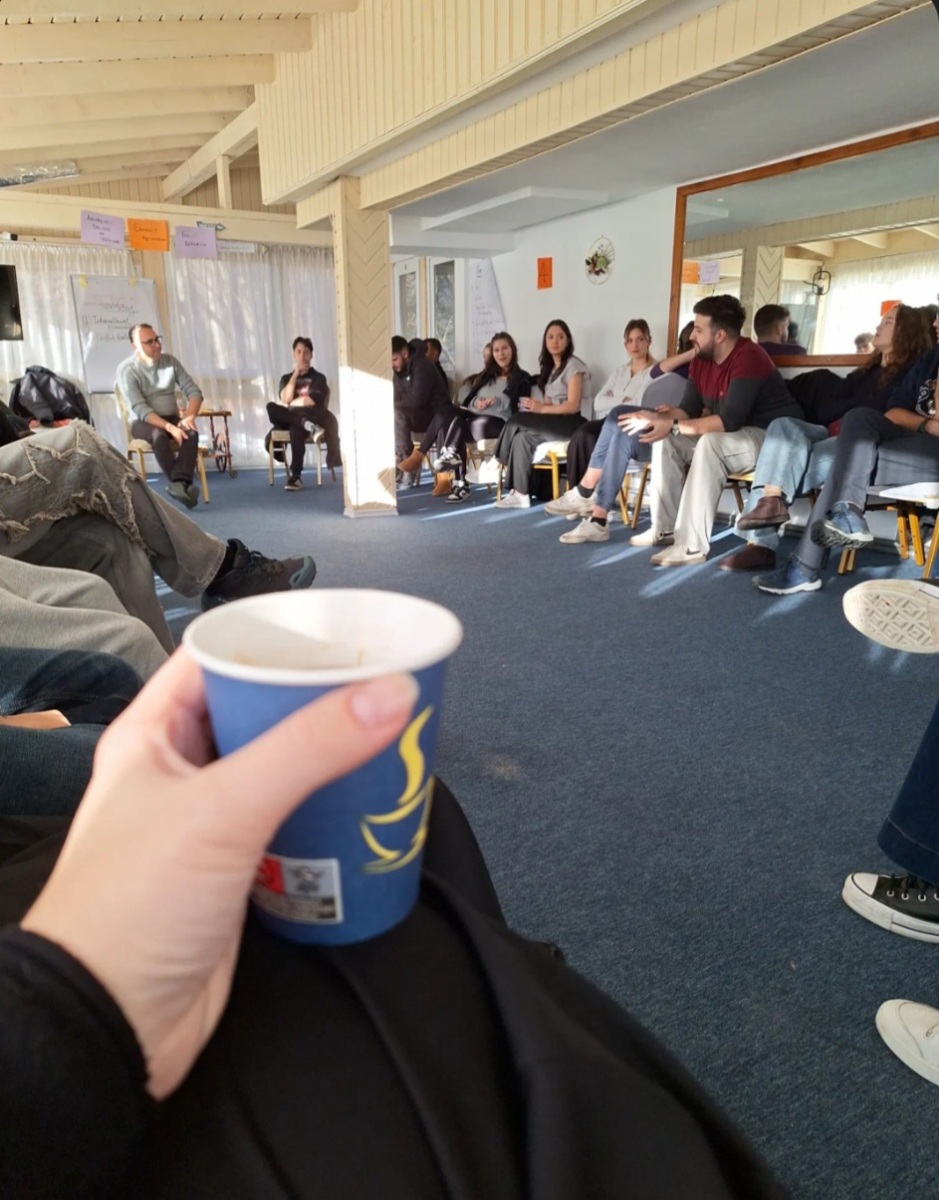
Each day consisted of three learning blocks, which were often intensive, discussion-based, or focused on group work. Great attention was paid to creating a safe and inclusive space where everyone felt comfortable and had the opportunity to express their opinions. Throughout the week, we covered topics such as emotional intelligence, intercultural communication, group dynamics, stereotypes, and inclusion. Besides the human-centred approach and interactive activities, it was extremely interesting to listen to how people from different parts of Europe perceive these topics, and how cultural and national backgrounds influence these perspectives.
I believe that most participants shared similar views on how youth work should be approached, yet our systems often do not fully allow these ideas to be implemented. Precisely in these differences, I saw a great potential — not only for our personal growth, but also as a motivation for us, as youth workers, to strive for change.
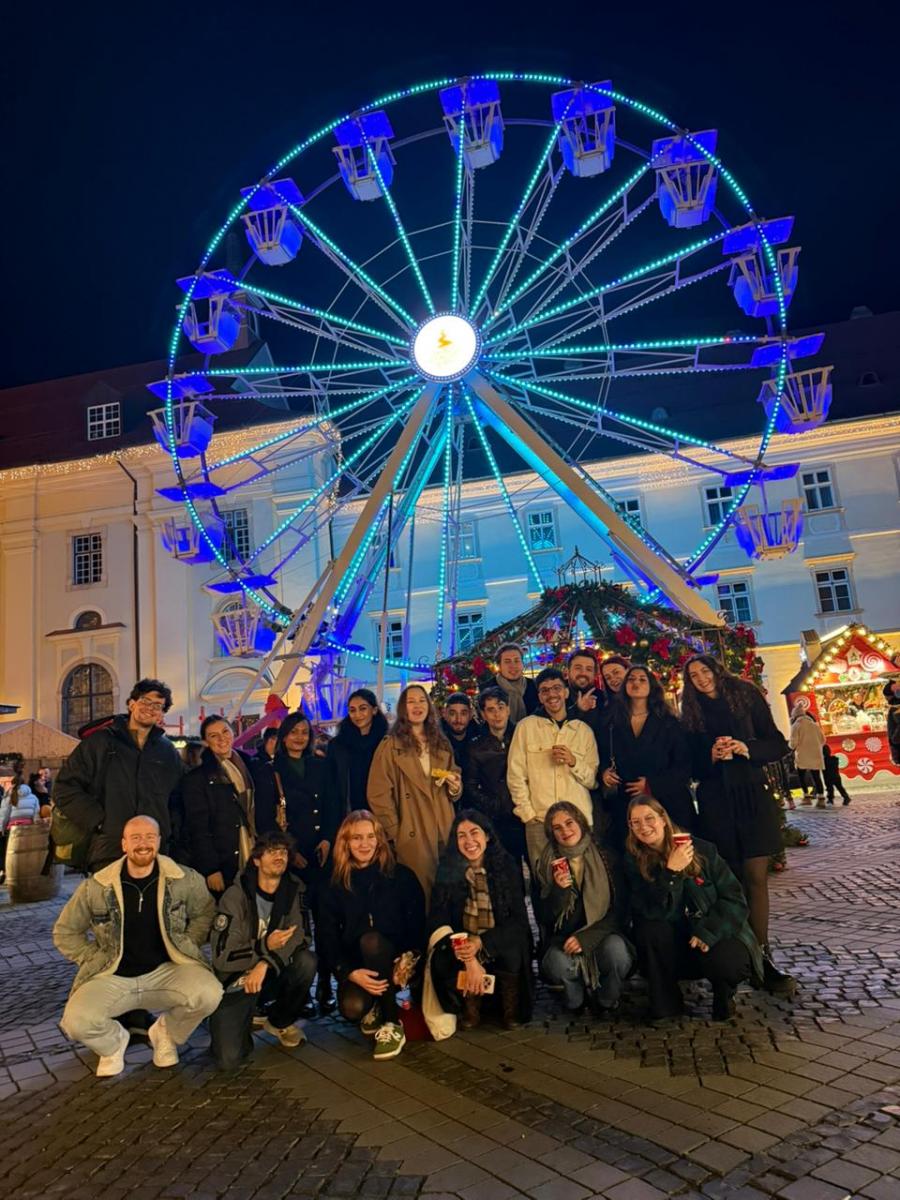
On Thursday, we had a free day. Most of the group agreed to go on a trip to the historic city of Sibiu. Sergiu was incredibly kind and arranged a private bus for us. The journey there was rainy, much like most of the project days, but once we arrived, the sun came out and stayed with us for the rest of the day. We explored the historic centre, which was already beautifully decorated with Christmas lights, and visited the Christmas markets. We also went together to a restaurant to try traditional Romanian food, as no visit to a foreign country would be complete without it. The trip allowed us to relax and recharge before continuing with the following days of learning and discussion.
On the afternoon of the penultimate day, some of us visited the local spa. We all relaxed deeply and regained our energy for what awaited us the next day — saying goodbye. None of us had expected how emotional this moment would be. Over the course of one week, we had not only learned new things but also built strong connections and friendships. We spent every day together from morning until evening, and suddenly we were expected to return to our home countries and continue with our ordinary lives. And how do you do that?
I am convinced that everyone left the project enriched — both with new experiences and new friendships. For me personally, this week felt truly magical. It reminded me of a summer camp from childhood, where learning goes hand in hand with fun, where you create a small world outside of everyday reality, and where returning back to normal life is never easy.
Finally, I would like to express my sincere gratitude to Sergiu for his excellent guidance throughout the entire project, for his openness, and for every smile he shared with us. I would also like to thank all the participants — it was thanks to you that this project became such an unforgettable experience.
Lucie S.