ERASMUS+, Key action 1: training course
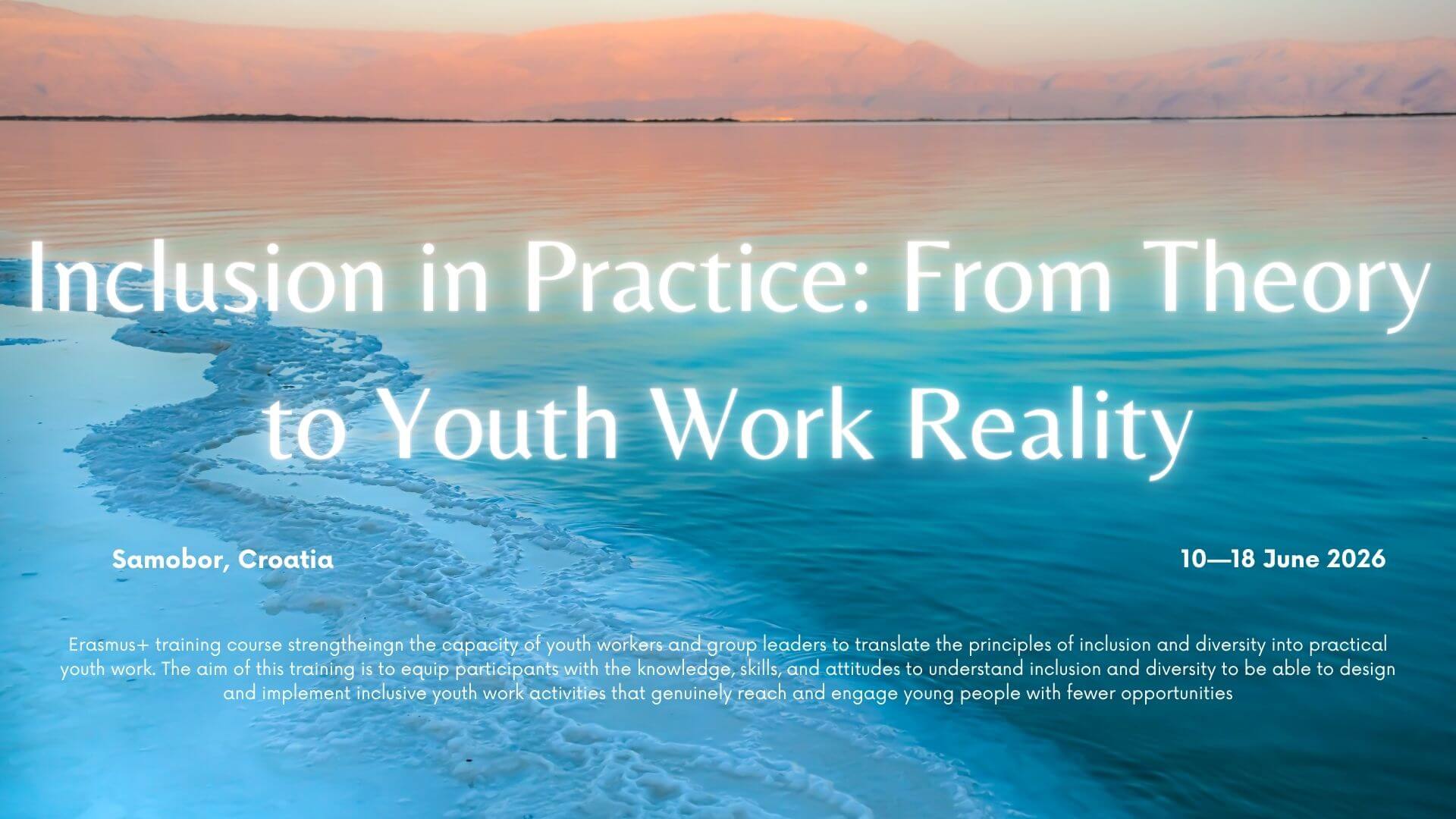
Dates: 10—18 June 2026
Venue: Samobor, Croatia
Czech team: 2 participants – youth workers
Please read the info-pack.
Hosting organisation: Udruga Impress
Project report:
From 10 to 18 June 2026, I had the opportunity to participate in the Erasmus+ training course “Inclusion in Practice: From Theory to Youth Work Reality”, which took place in Samobor, Croatia. The project brought together youth workers and young people from several European countries with the aim of exploring the concepts of inclusion, diversity, participation, and non-formal education.
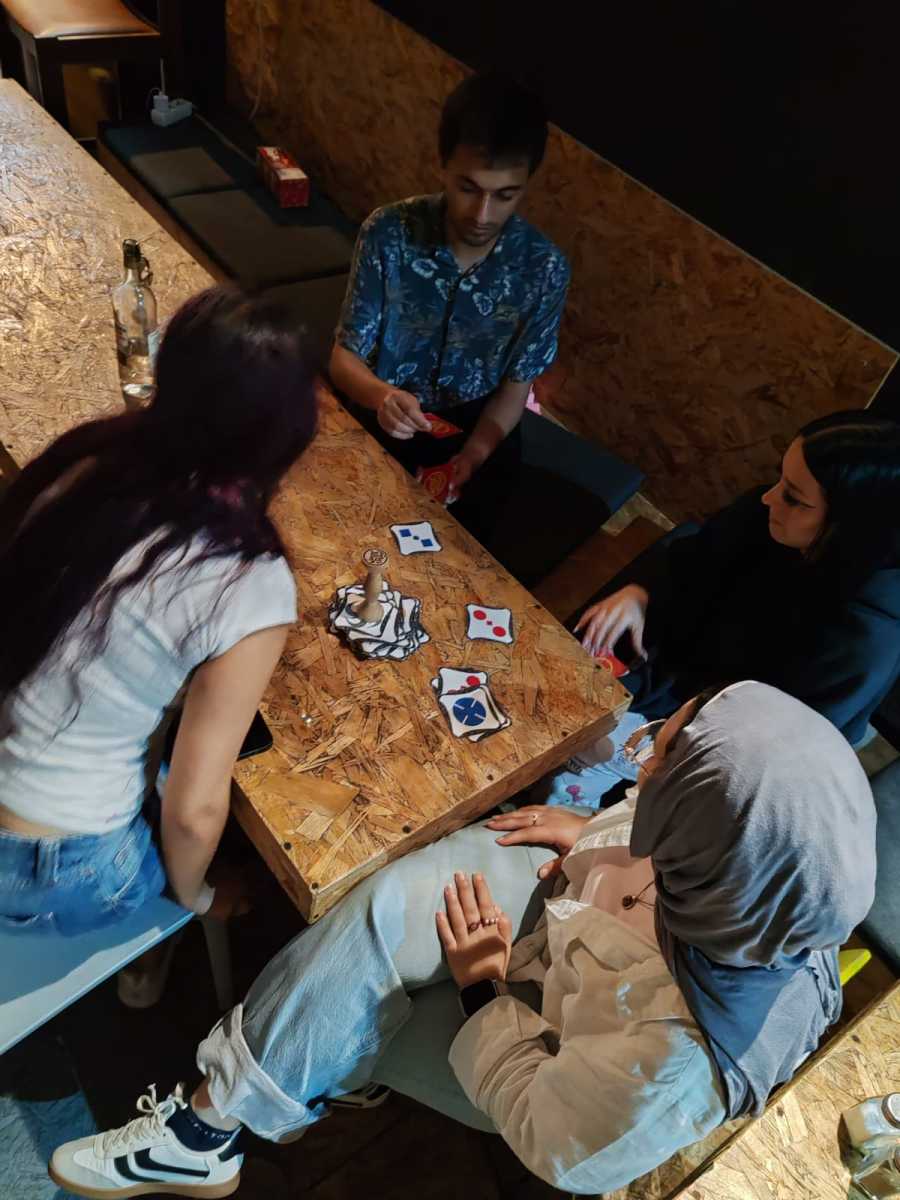
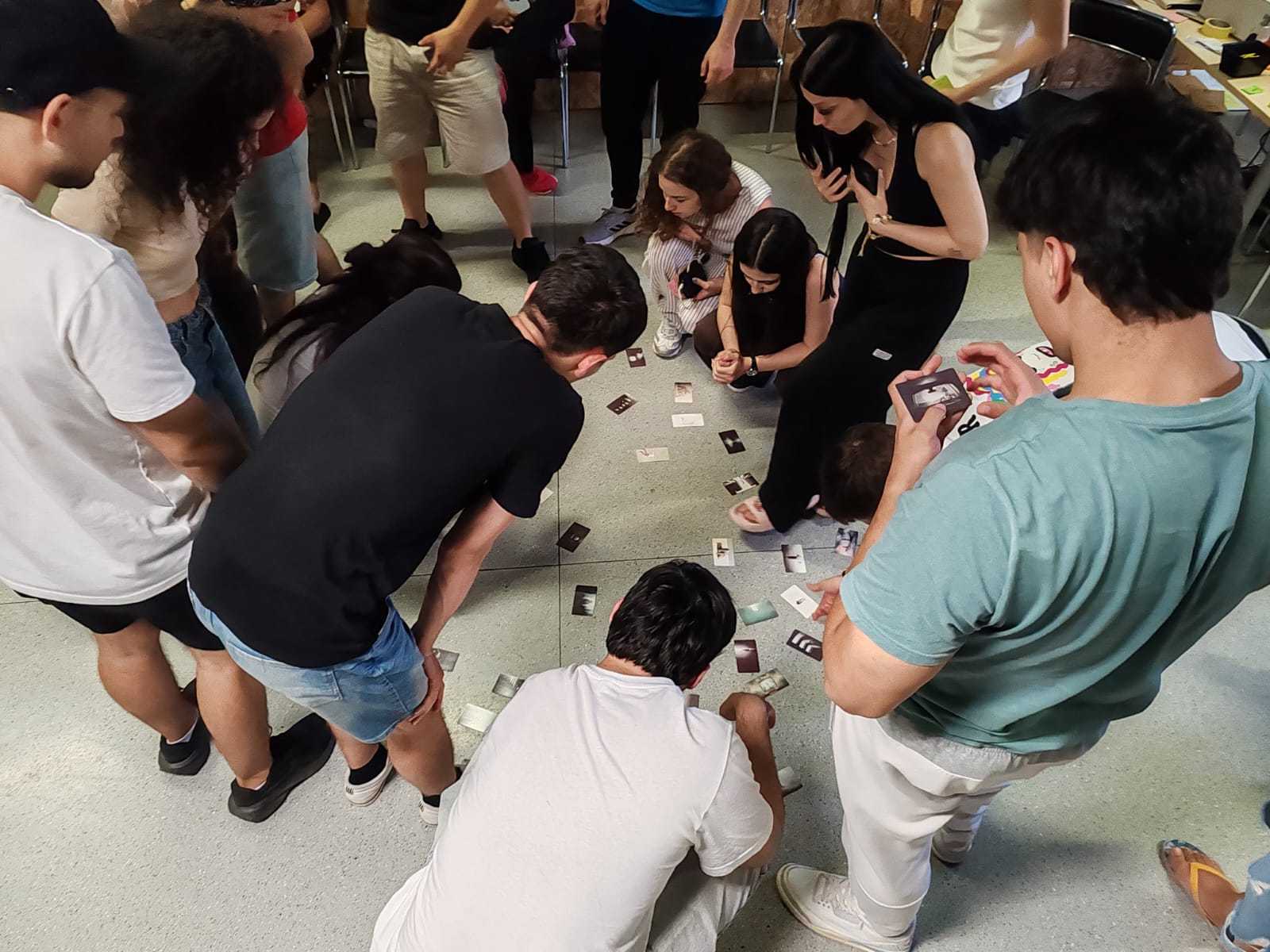
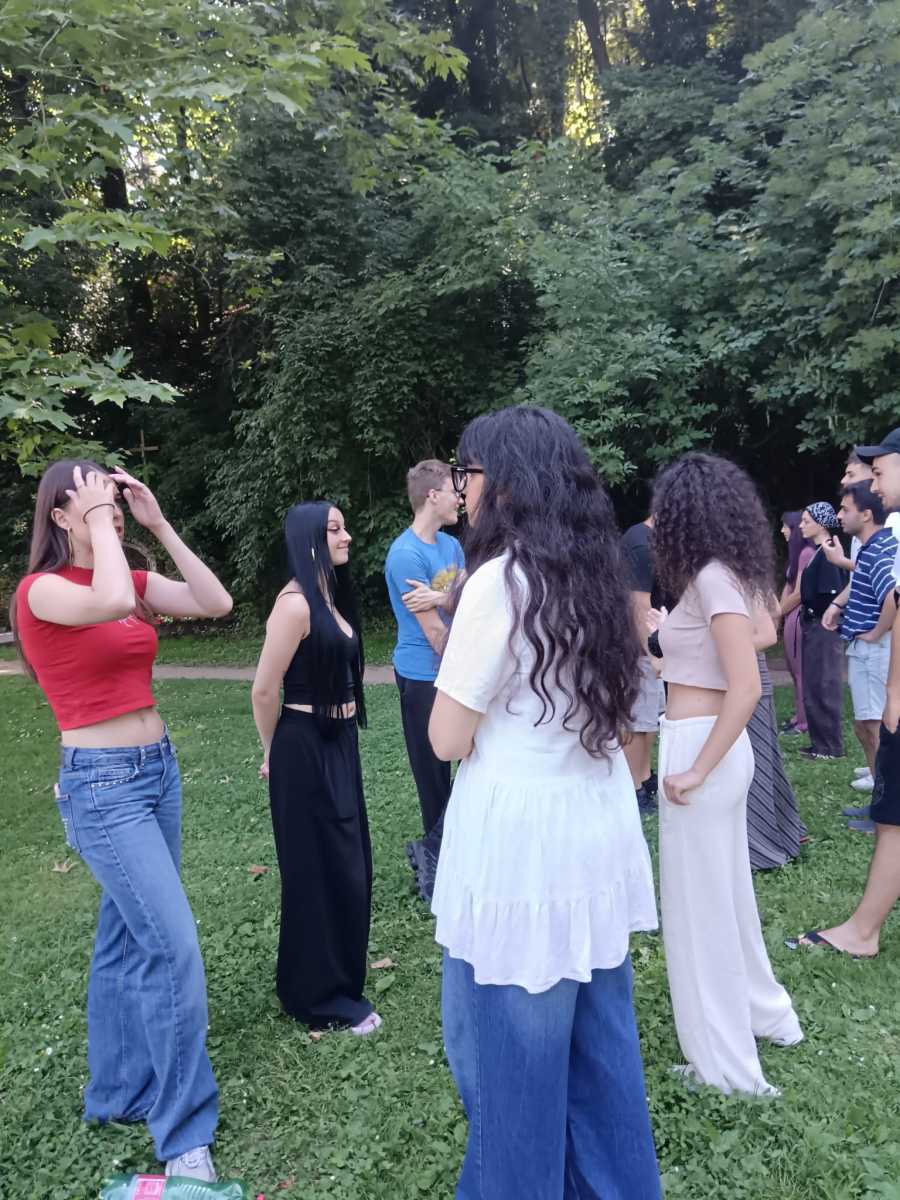
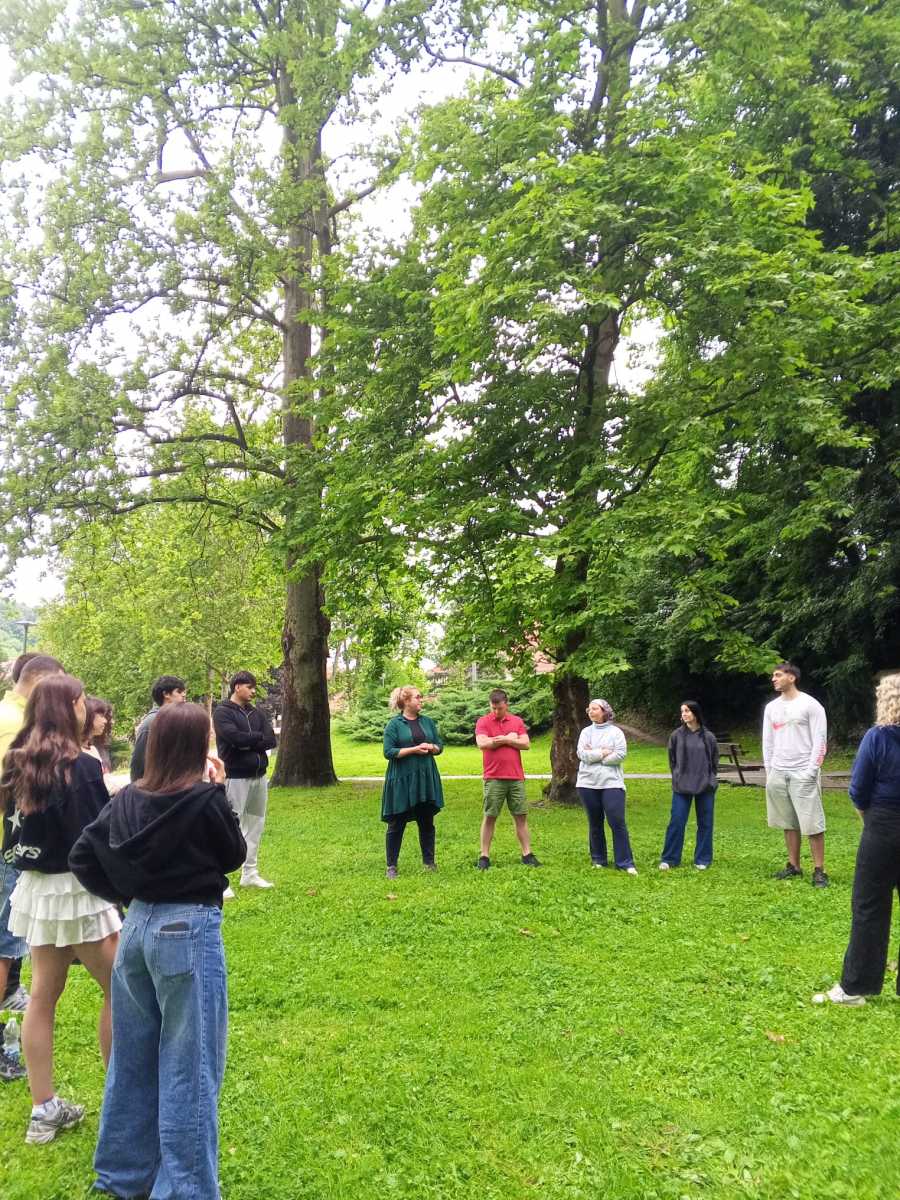
Throughout the training course, participants engaged in a variety of workshops, discussions, group activities, and practical exercises focused on understanding inclusion in different social contexts. The programme encouraged participants to reflect on stereotypes, discrimination, social exclusion, and the challenges faced by different groups within society. Through non-formal learning methods, participants were able to exchange experiences from their own countries and discuss approaches that can support more inclusive communities and youth work practices.
One of the key aspects of the project was the international environment. Participants from different cultural, social, and educational backgrounds had the opportunity to share their perspectives and learn from one another. This intercultural exchange allowed us to better understand how inclusion is perceived and implemented across different countries and communities.
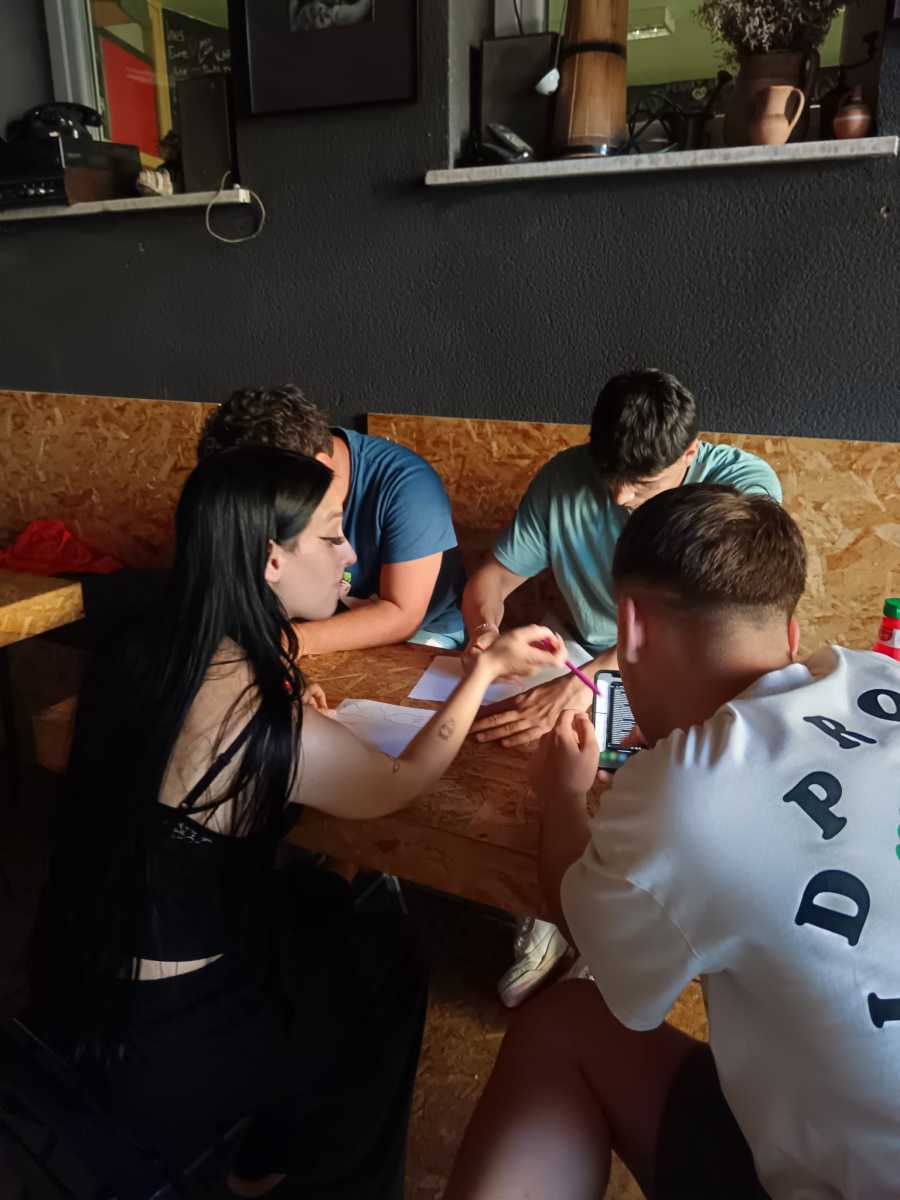
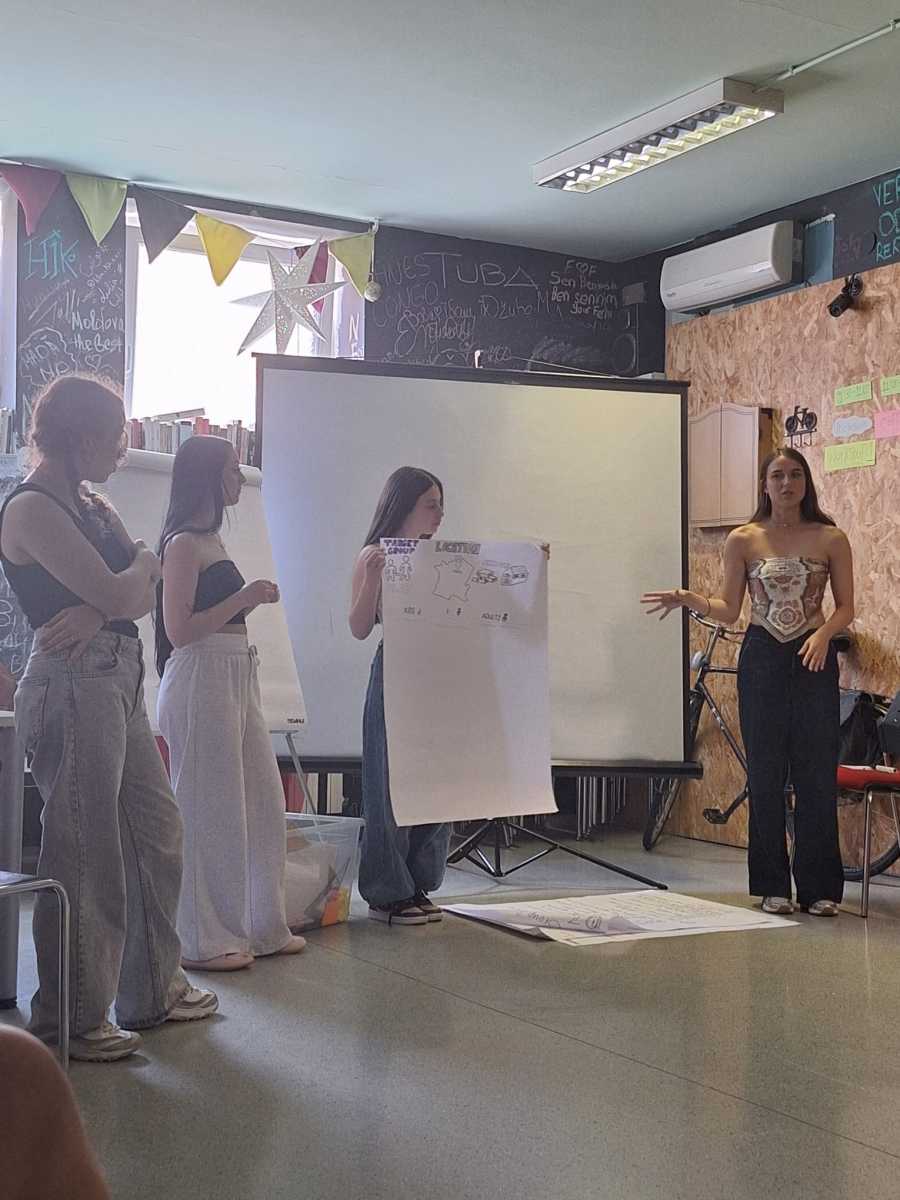
The programme also included collaborative group work, during which participants developed project ideas and explored ways of addressing social challenges through youth initiatives. These activities encouraged teamwork, communication, and creative problem-solving while providing space for participants to reflect on the practical application of inclusive principles.
Beyond the educational activities, the project offered opportunities for informal learning and cultural exchange. Through daily interactions and intercultural evenings, participants were able to present their countries, traditions, and cultures, creating an open environment for dialogue and mutual understanding.
Participating in this training course provided valuable opportunities to reflect on the role of inclusion in youth work and society more broadly. The project highlighted the importance of creating spaces where people from different backgrounds feel respected, heard, and able to participate actively. It also reinforced the value of intercultural dialogue and international cooperation in addressing social challenges.
I am grateful for the opportunity to represent the Czech Republic in this Erasmus+ project, meet participants from across Europe, and gain new perspectives on inclusion, diversity, and youth engagement.
Kateřina J.