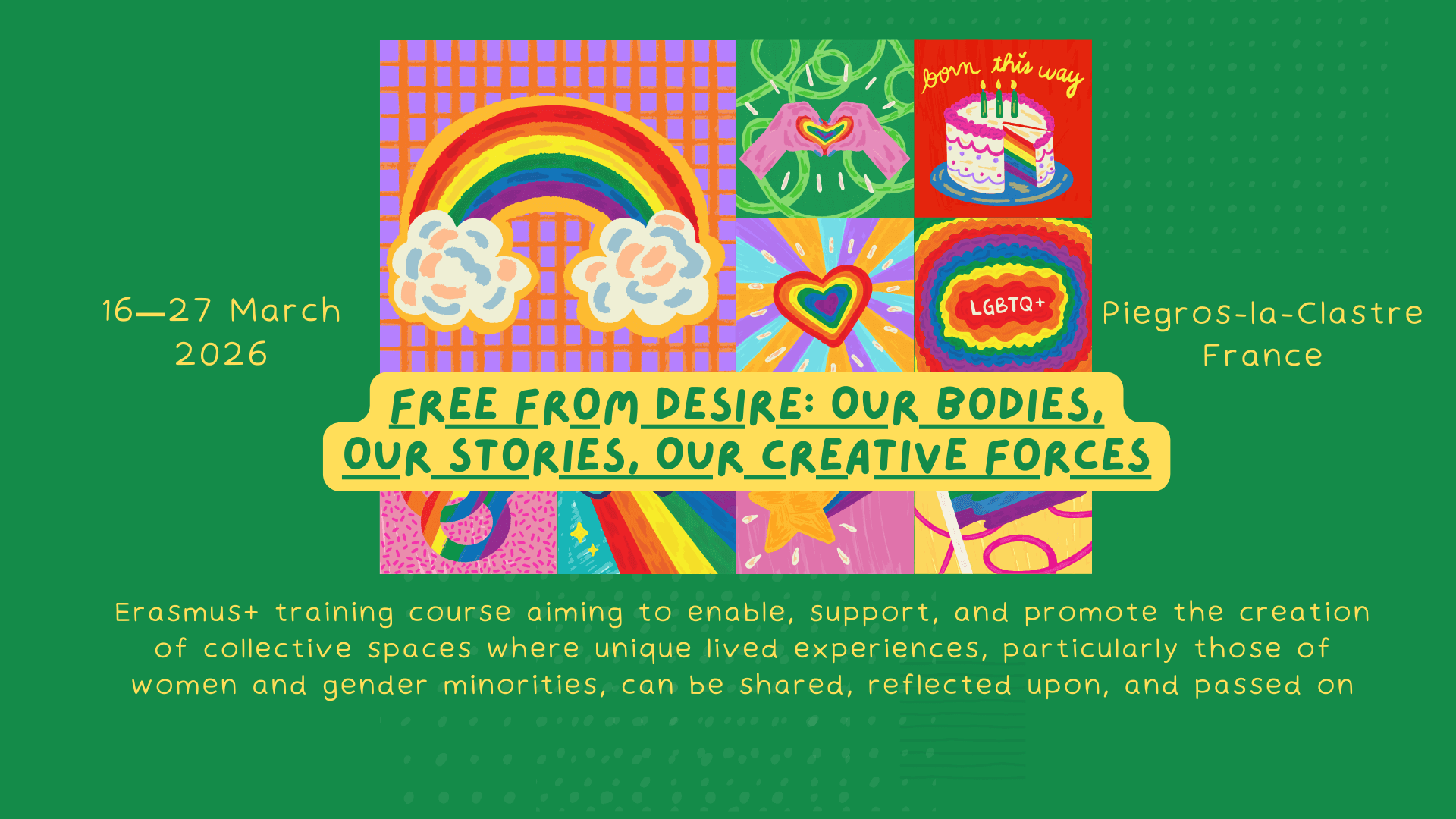
ERASMUS+, Key action 1: training course (training course for women and gender minorities)
Dates: 16—27 March 2026
Venue: Piegros-la-Clastre, region Drôme, France
Czech team: 3 participants
Please read the info-pack.
Hosting organisation: La Rapugada
Project report:
Welcome to a unique and empowering experience in the south of France! It was my great pleasure to participate in a training course for women and gender minorities that took place from 16th to 27th March 2026 in Piegros-la-Clastre, in the beautiful Drôme region. Together with participants from France, Lithuania and Italy, we came to this project with curiosity, openness, and a desire to share, learn, and grow. From the very beginning, the atmosphere was warm and supportive. The facilitators were the carriers of authenticity and inclusion allowing everyone to truly be themselves.
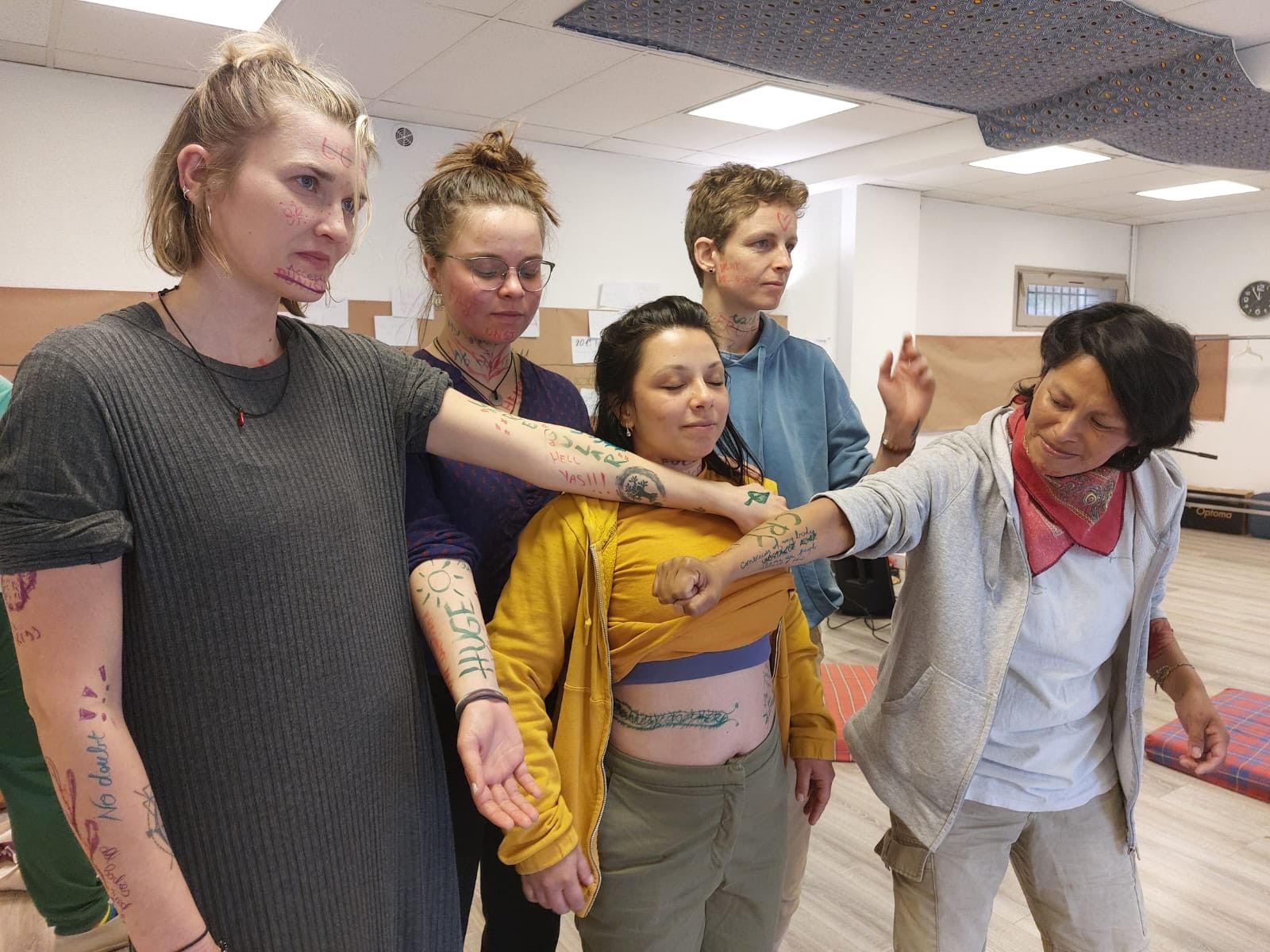
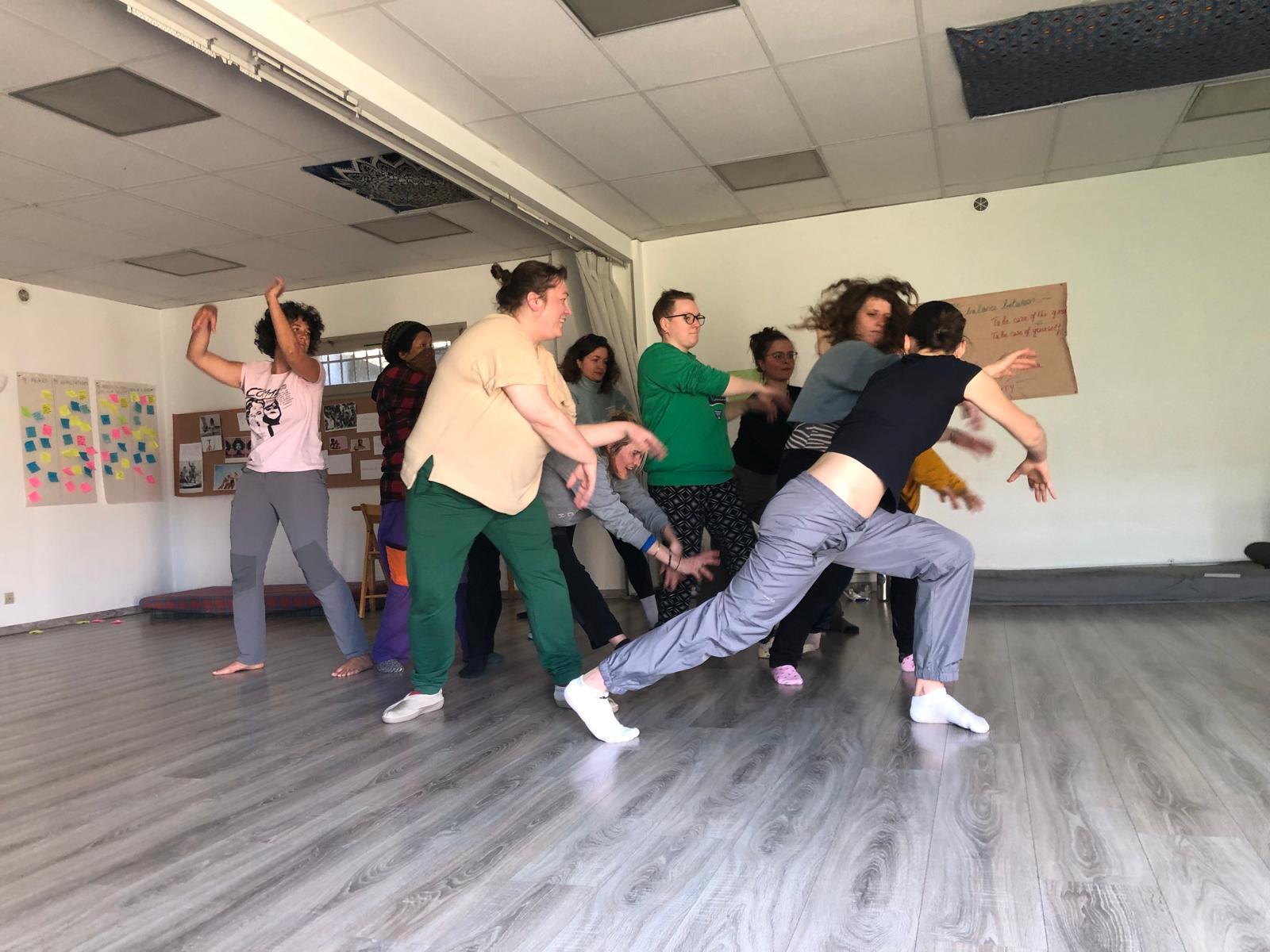
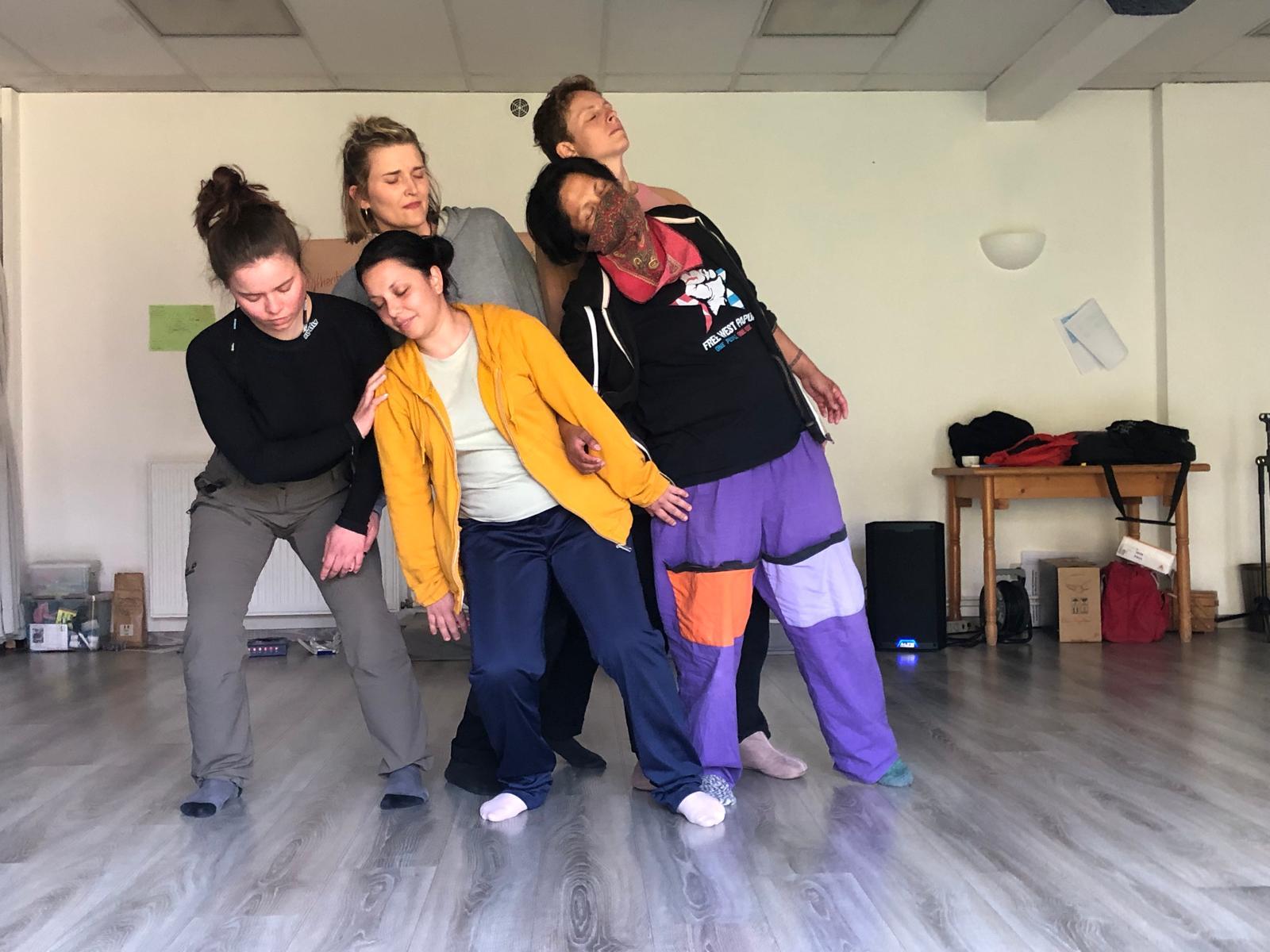
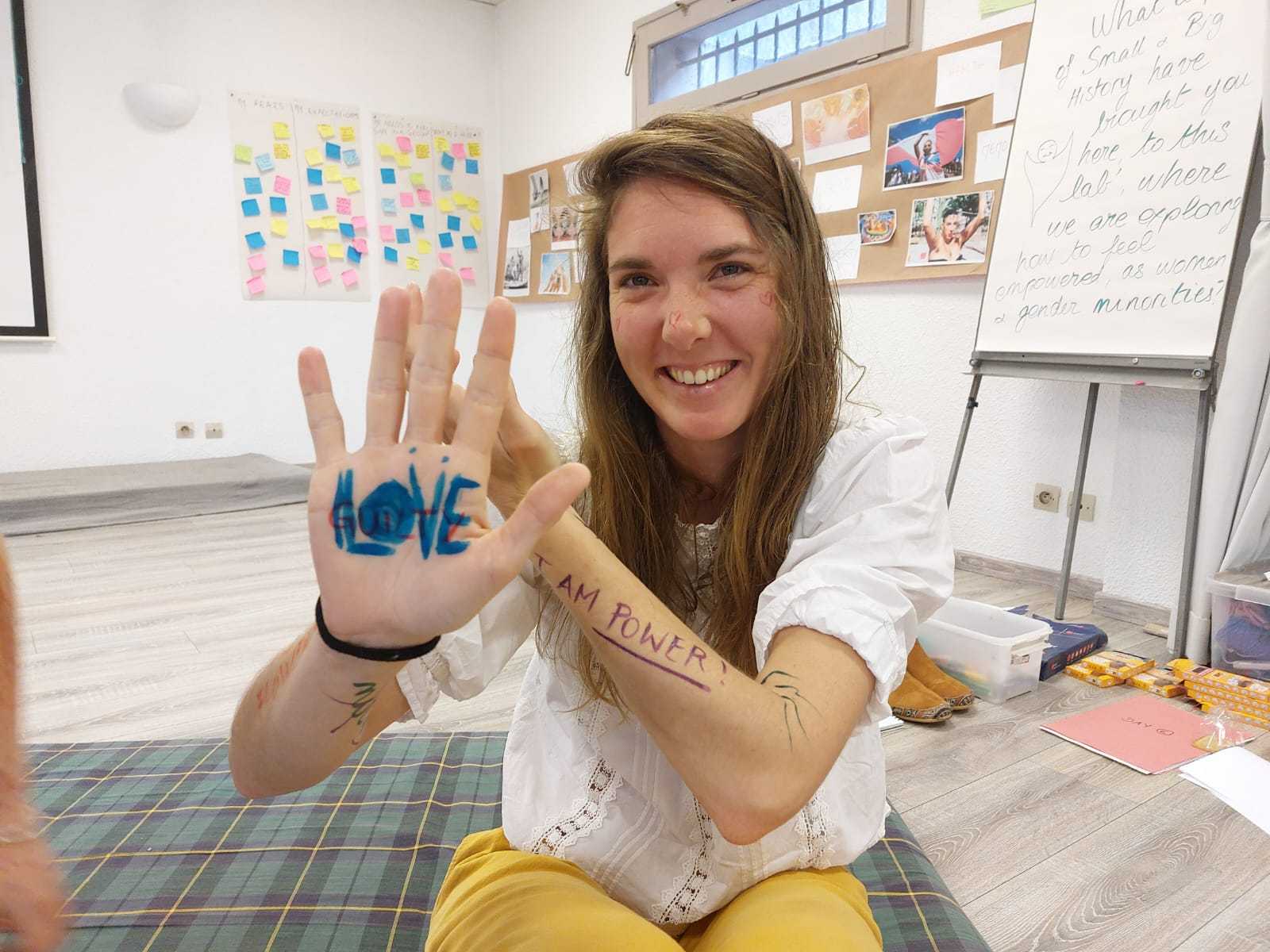
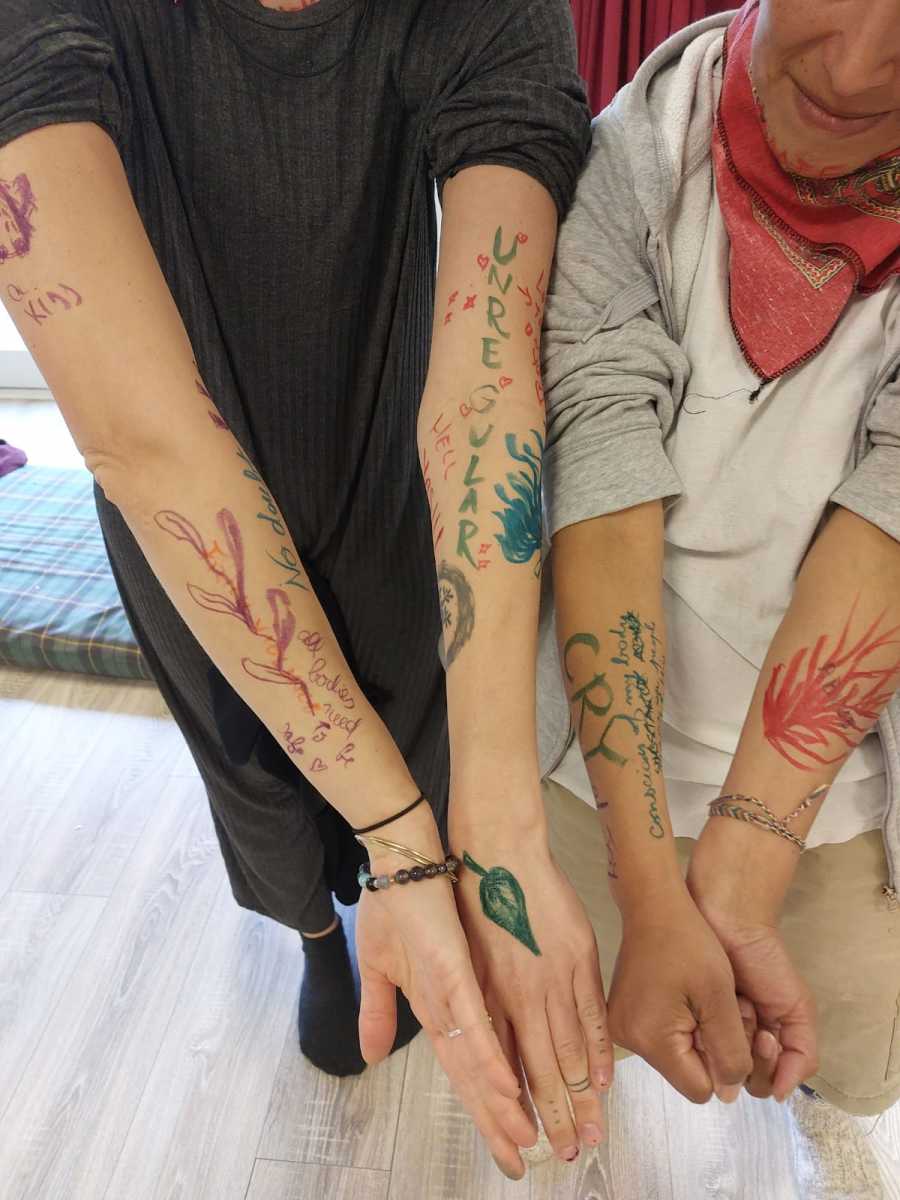
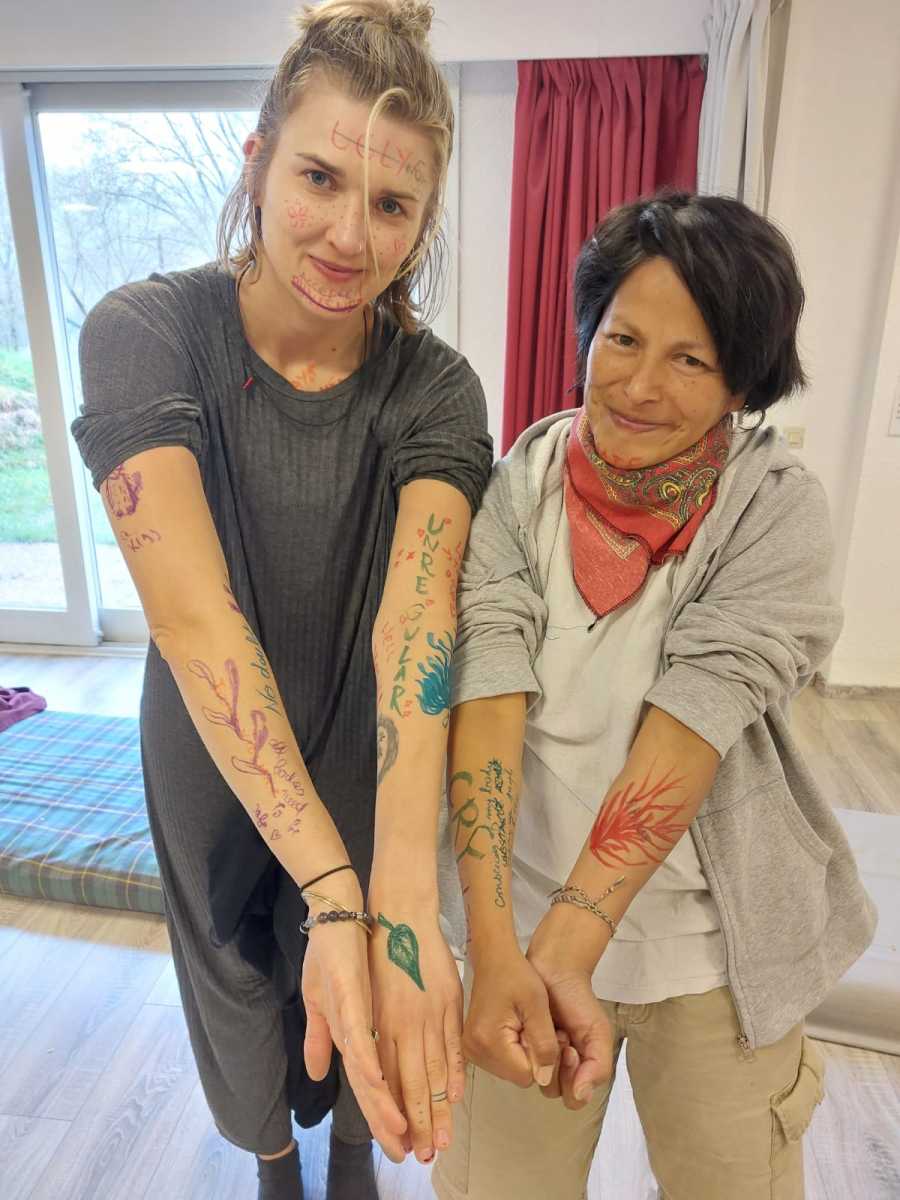
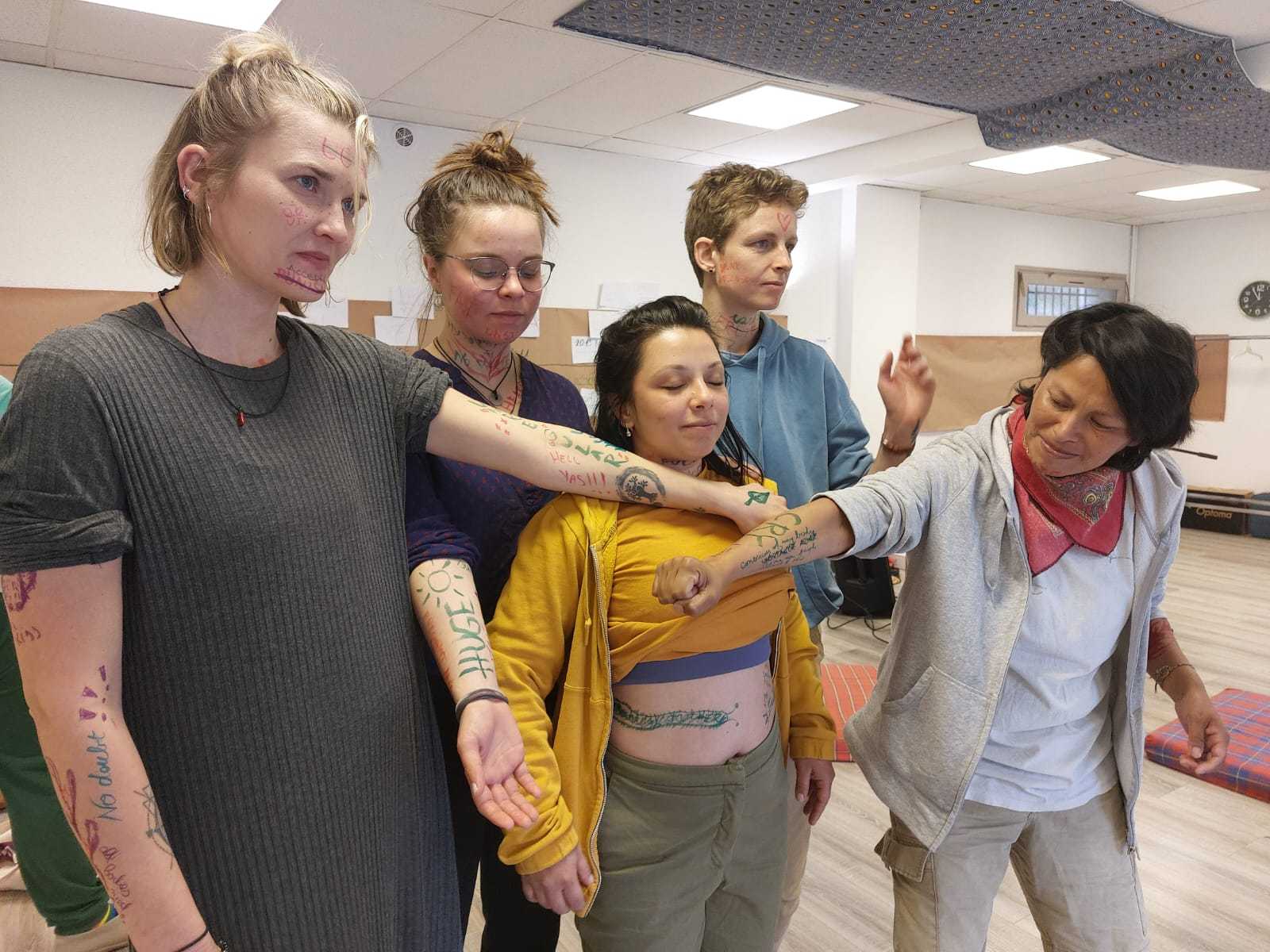
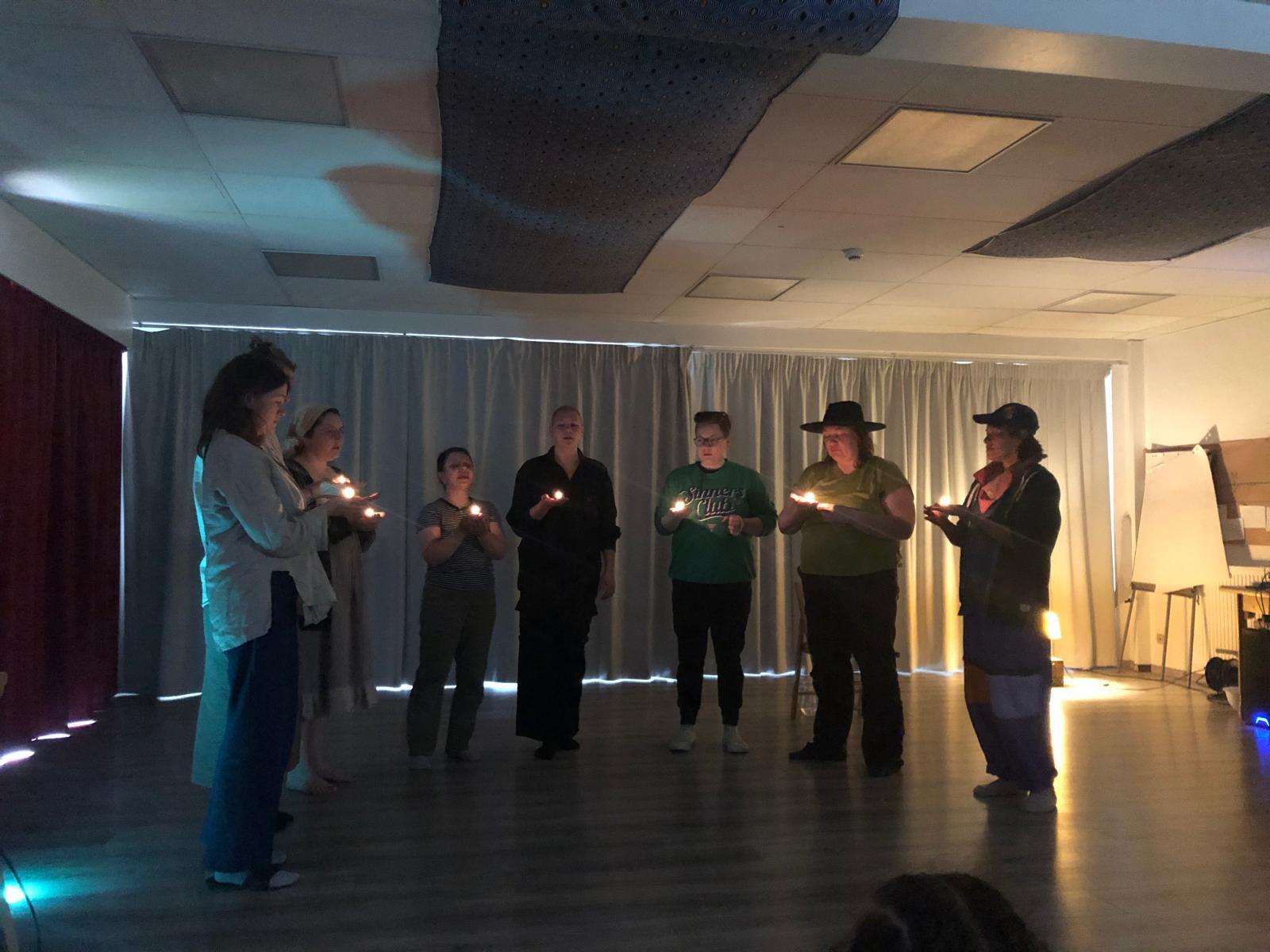
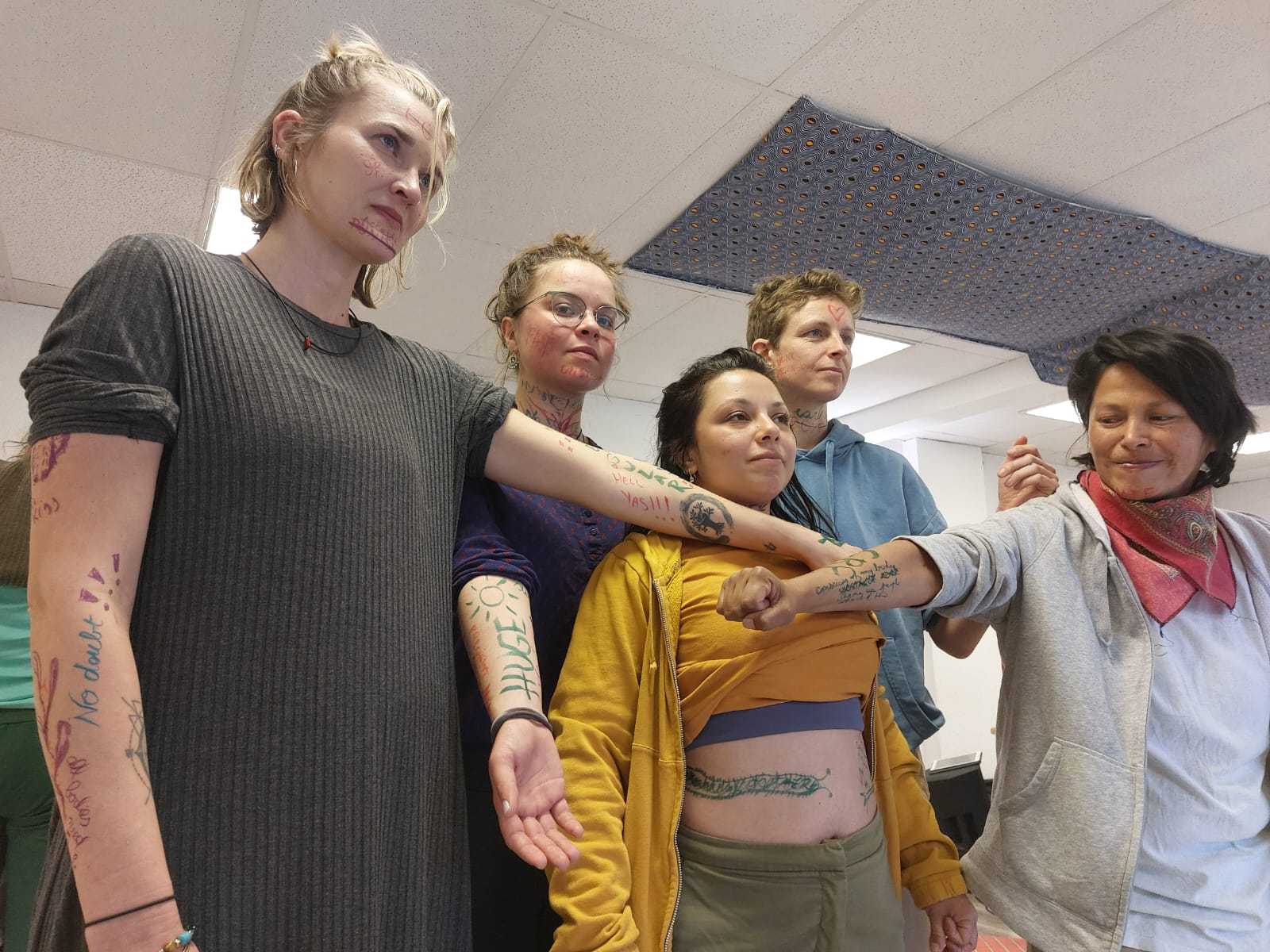
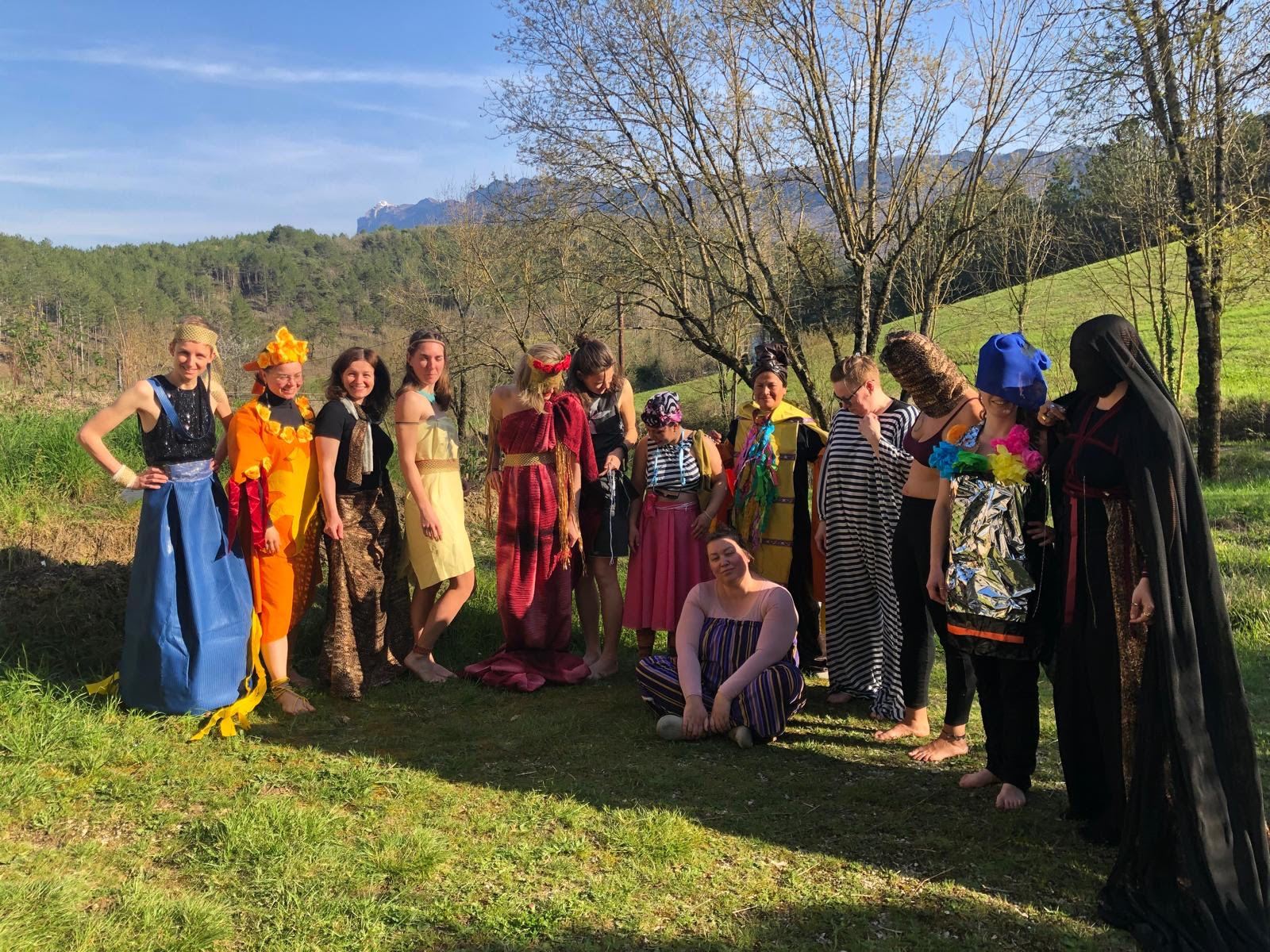
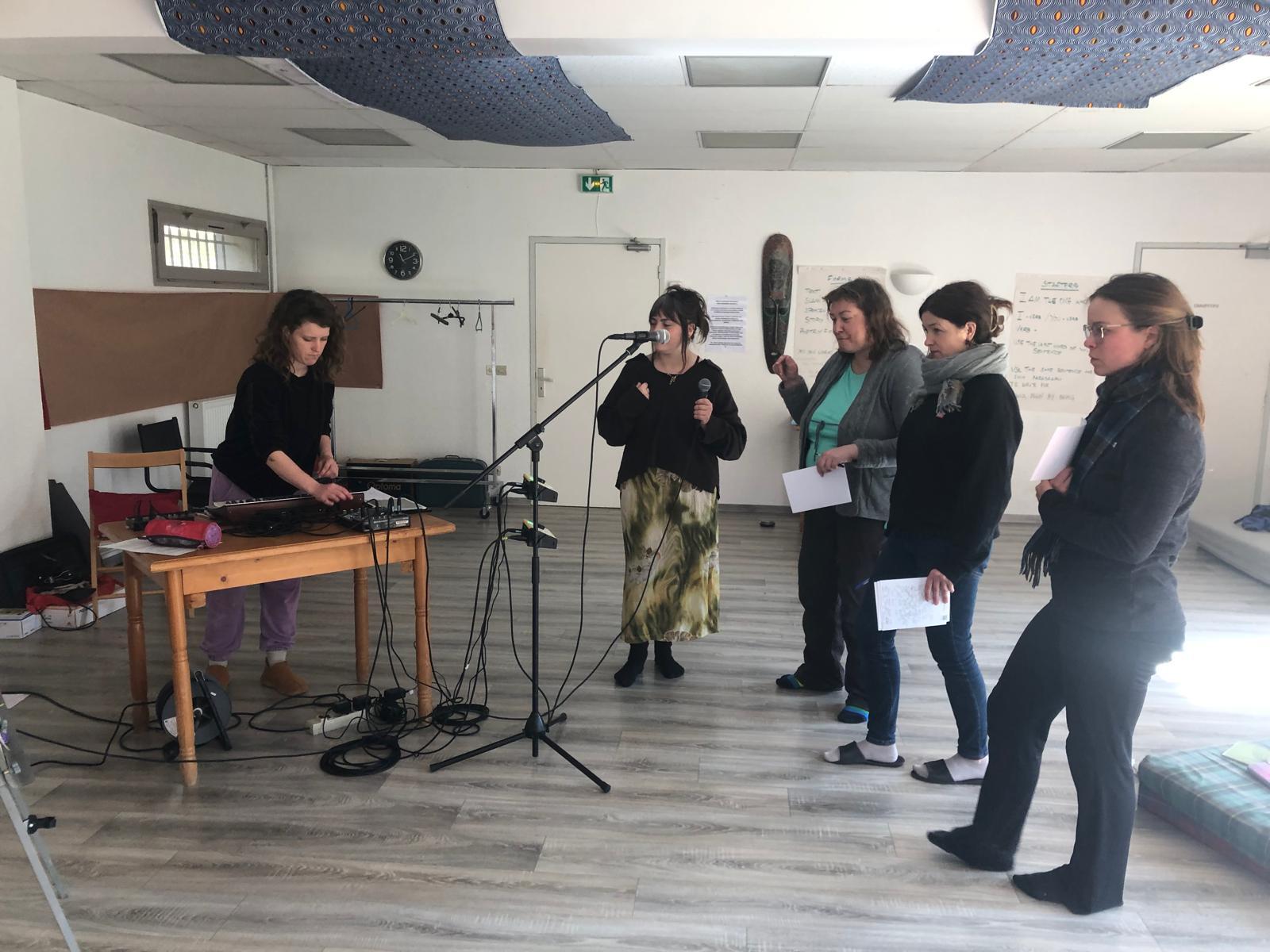
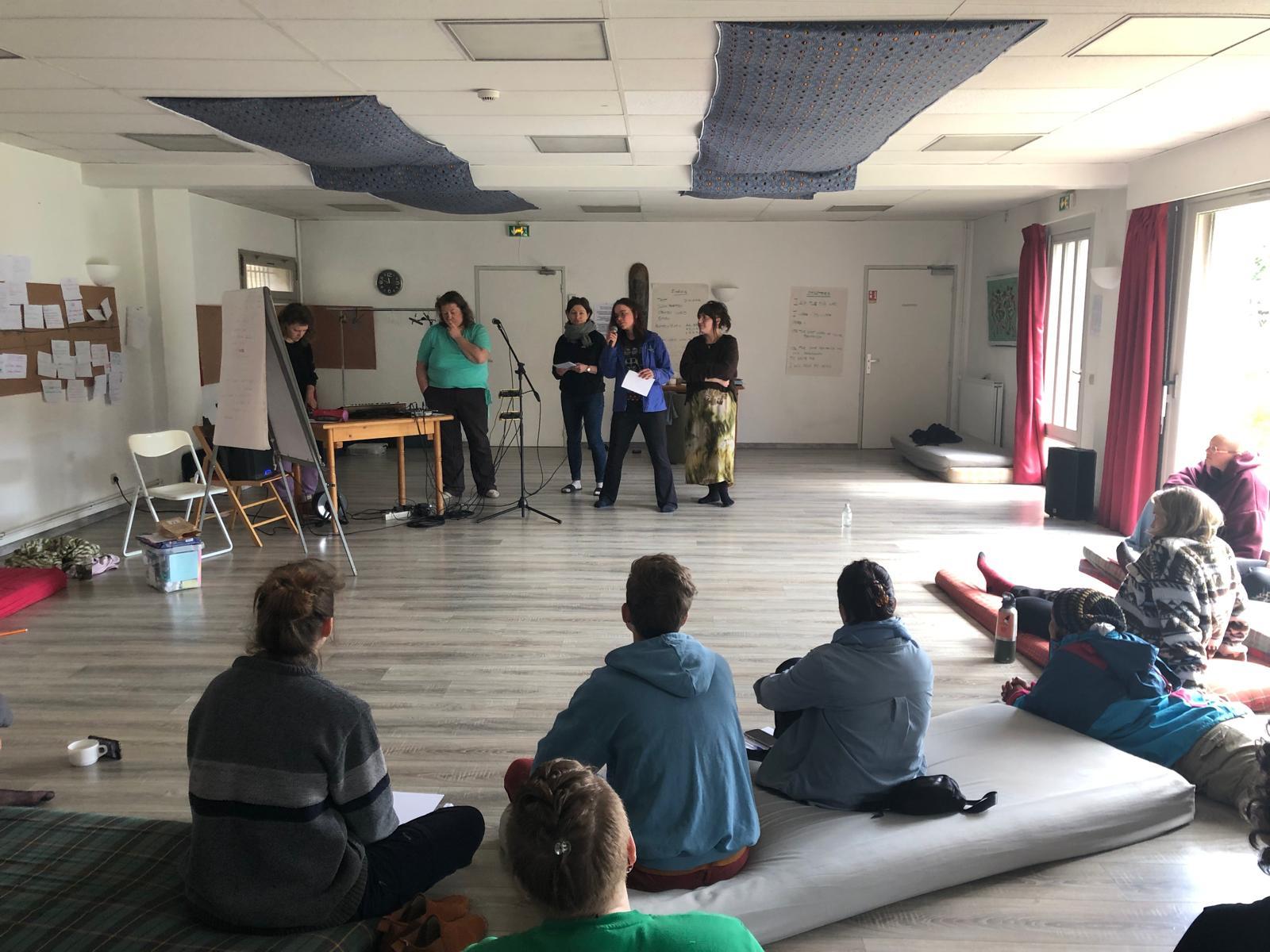
Thanks to the thoughtfully crafted programme and dedication of the facilitators, we were able to create a strong and trusting collective space. Throughout the project, we engaged in many activities that helped us connect with ourselves and each other on a deeper level. Through writing workshops, body movement exercises, theatrical expression, and group discussions, we explored our personal stories as gender minorities and women. We got to meet our societal struggles and learn about the struggles of others. We dived deep into ourselves to meet our inner desires, fears, and strengths. The most meaningful moments for me were the moments of witnessing the vulnerability and bravery of other participants and taking part in empowering each other. One of the most powerful moments was a workshop where we wrote the injustices that happened to our bodies on the bodies of other participants and then recreated them into art or an empowering message, this activity touched, connected and empowered us all.The activities in this project not only strengthened our confidence but also helped us understand the importance of community that listens and supports.
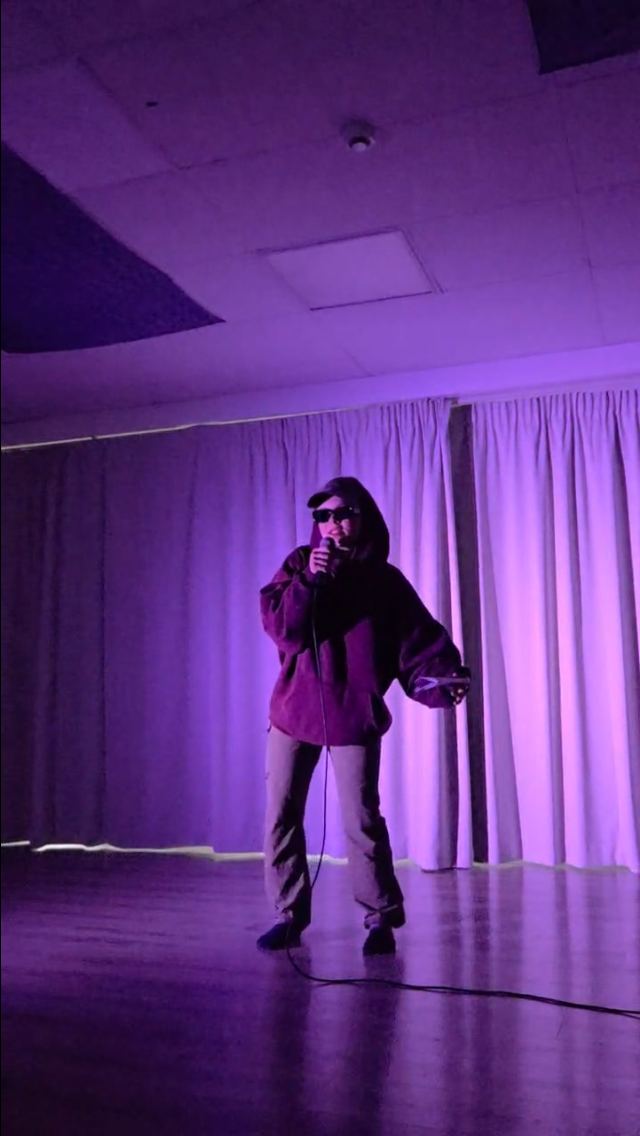
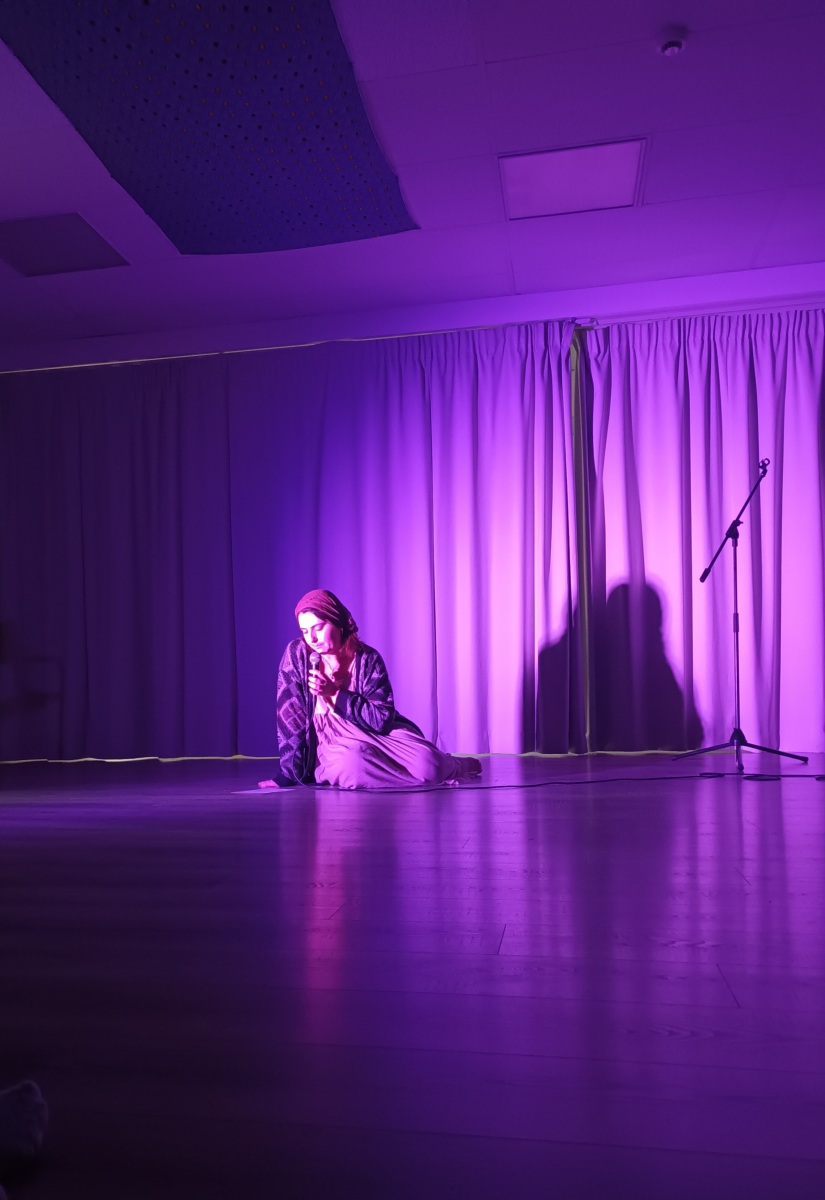
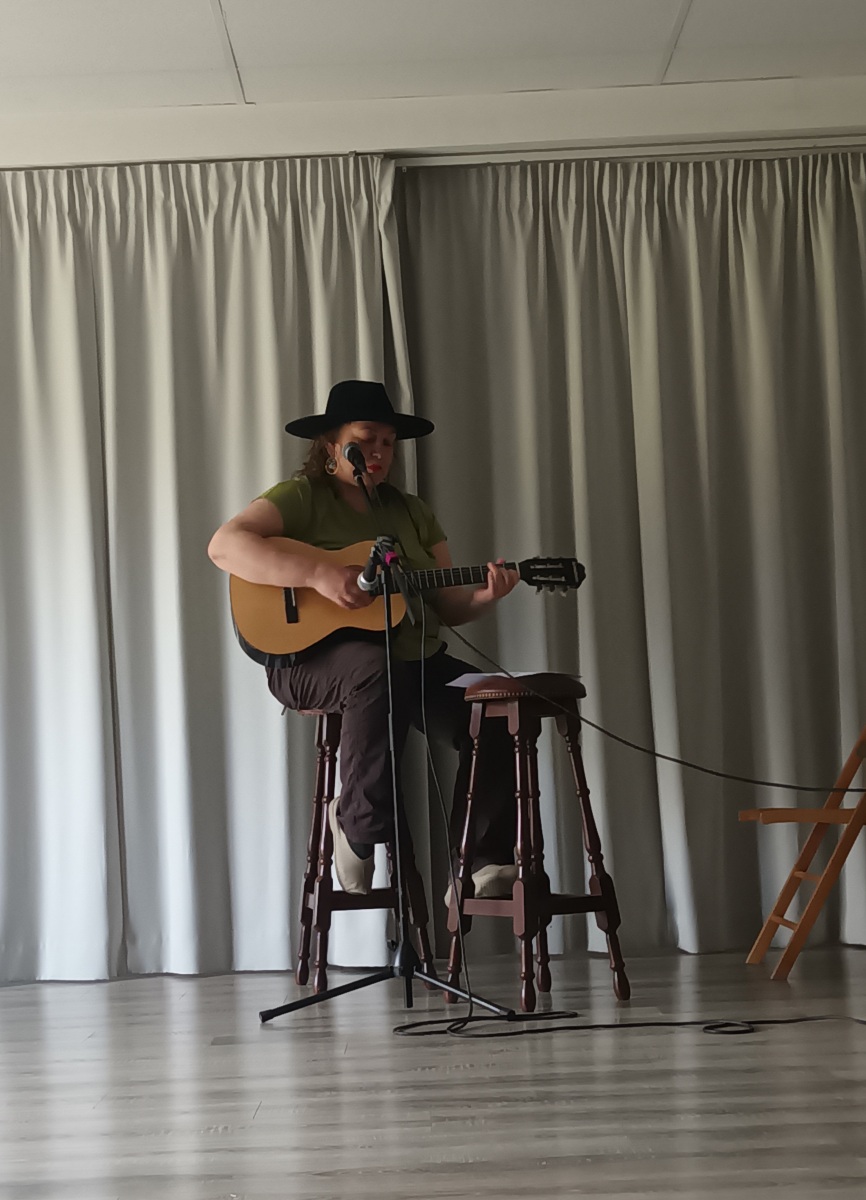
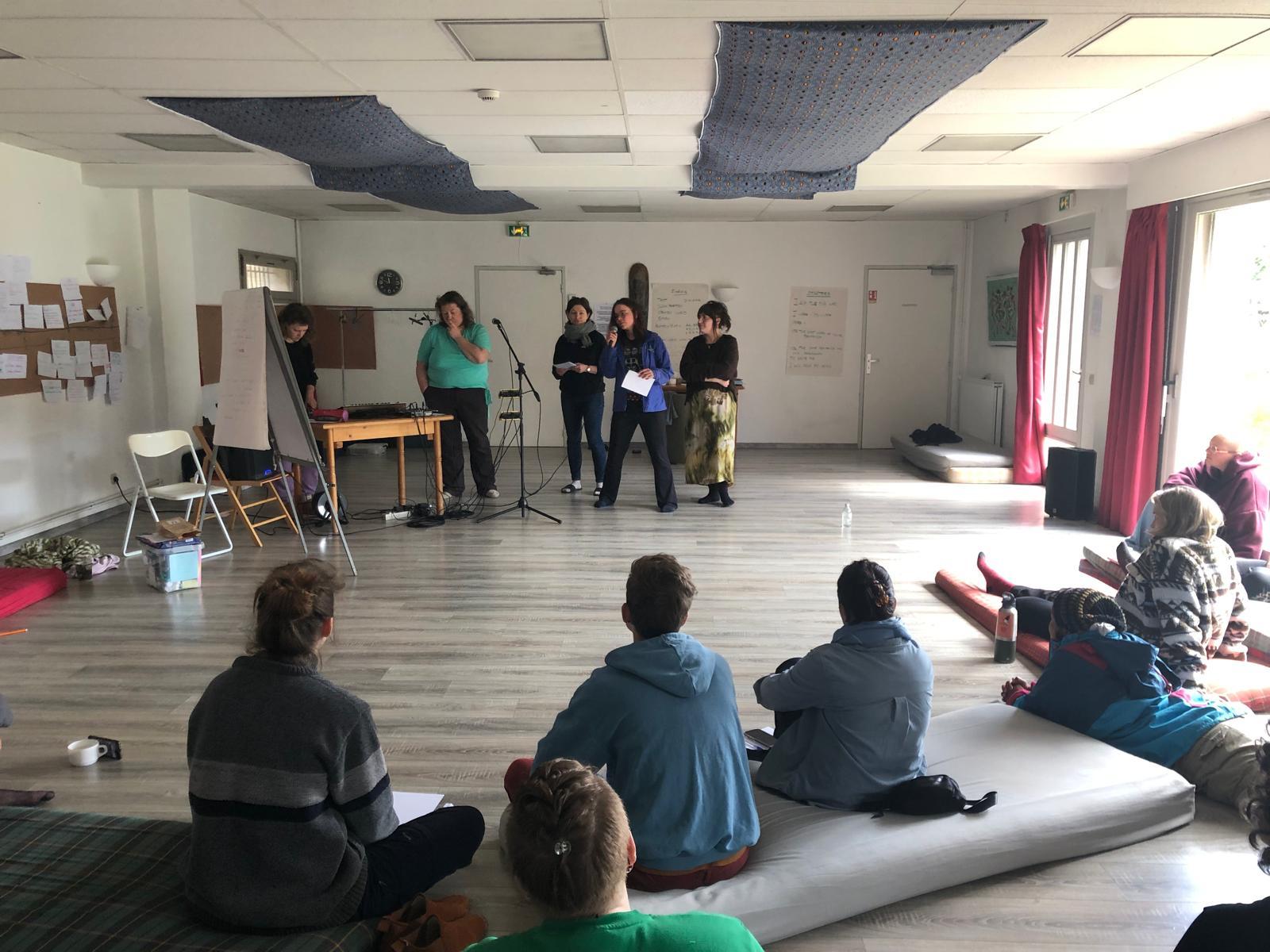
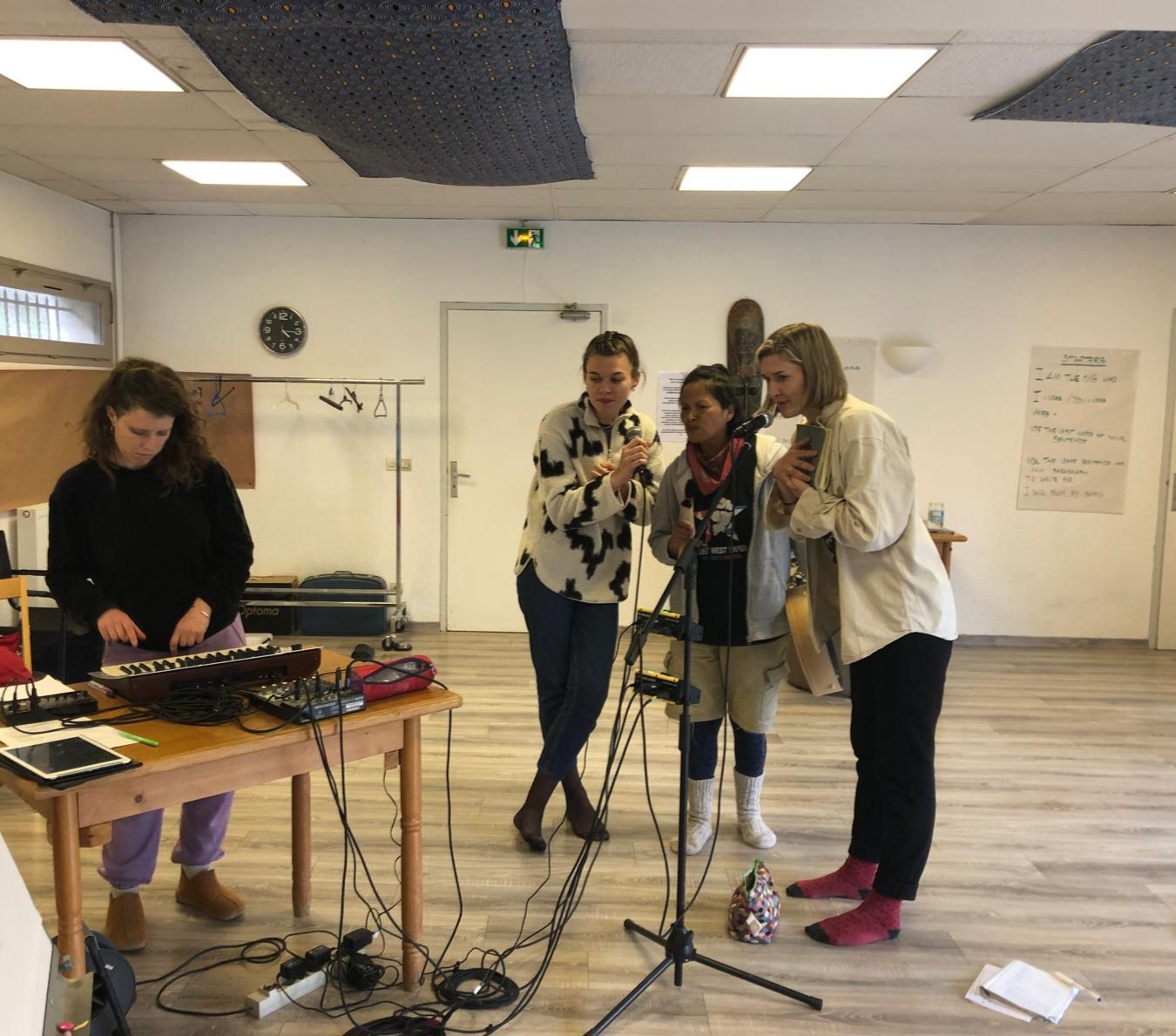
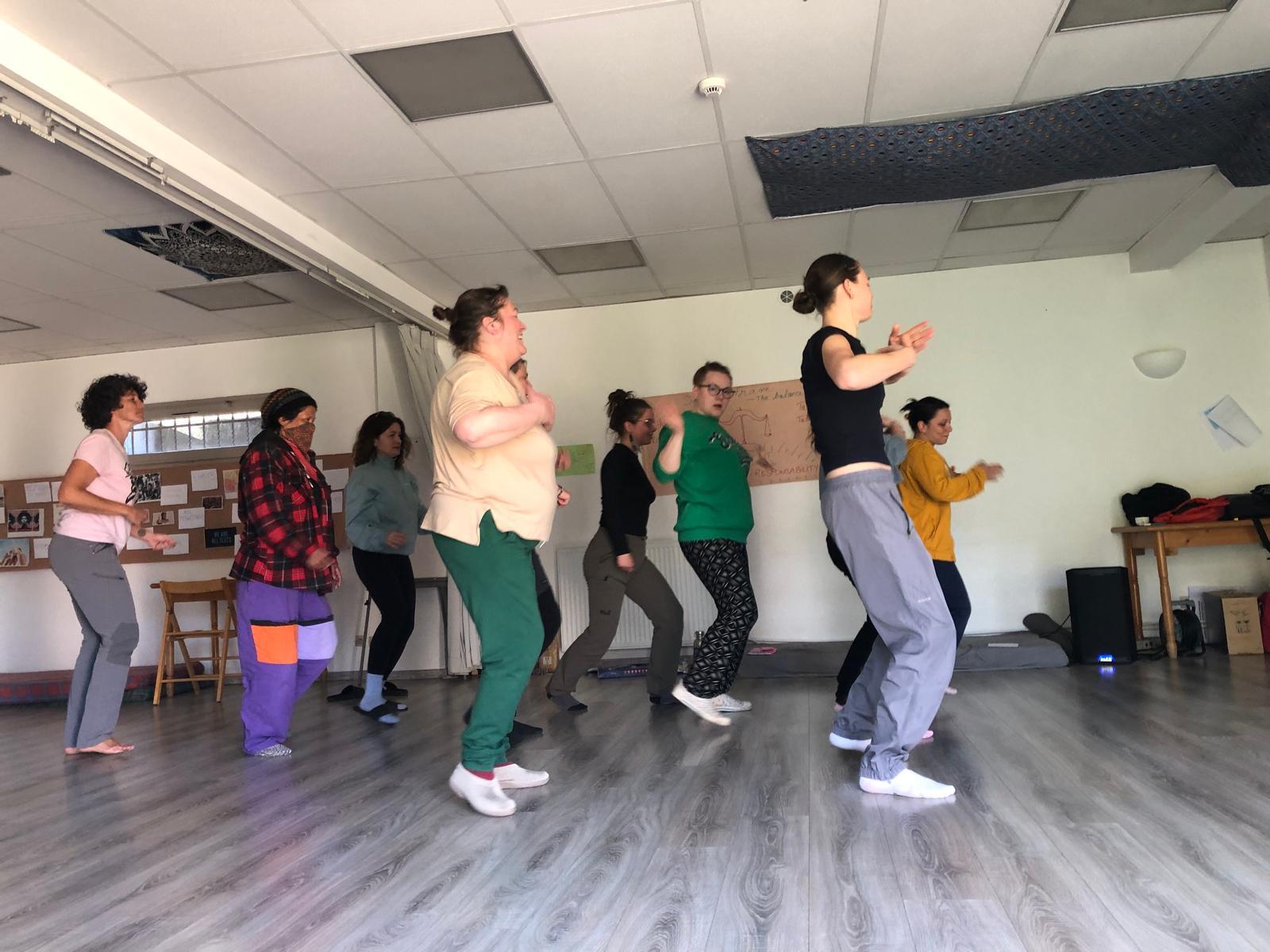
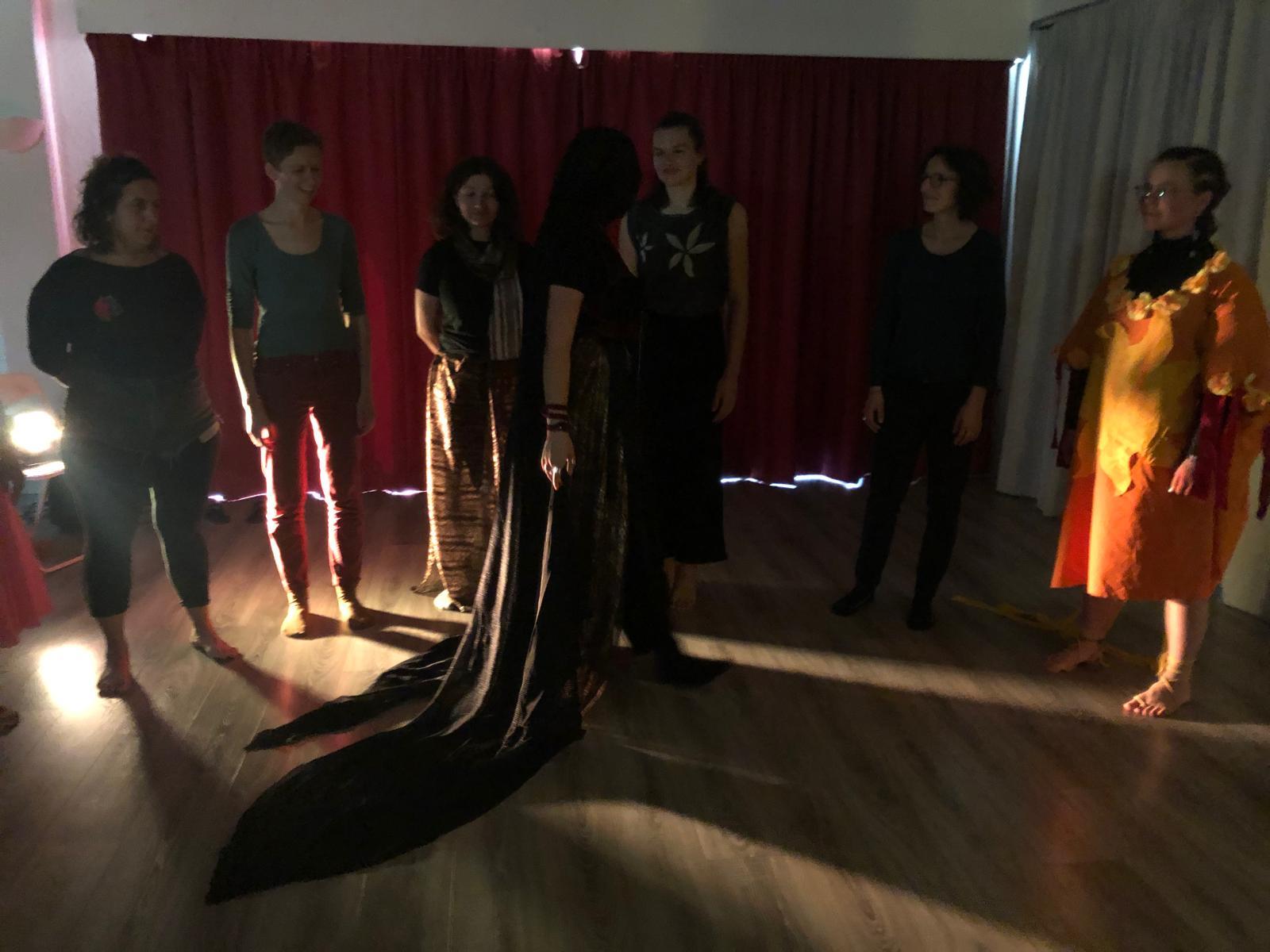
During the training, we worked on transforming our individual experiences into a collective creation. By combining different forms of expression such as music, performance, and storytelling, we created a shared “big story” that reflected our voices and identities. It was inspiring to see how diverse experiences could come together into something powerful and meaningful. The empowering dance with elements of hype allowed me to step out of my comfort zone and discover new ways of expressing myself. Other participants shared how speaking up in the circle, creating songs together, sharing their poems or performing challenged and consequently empowered them.
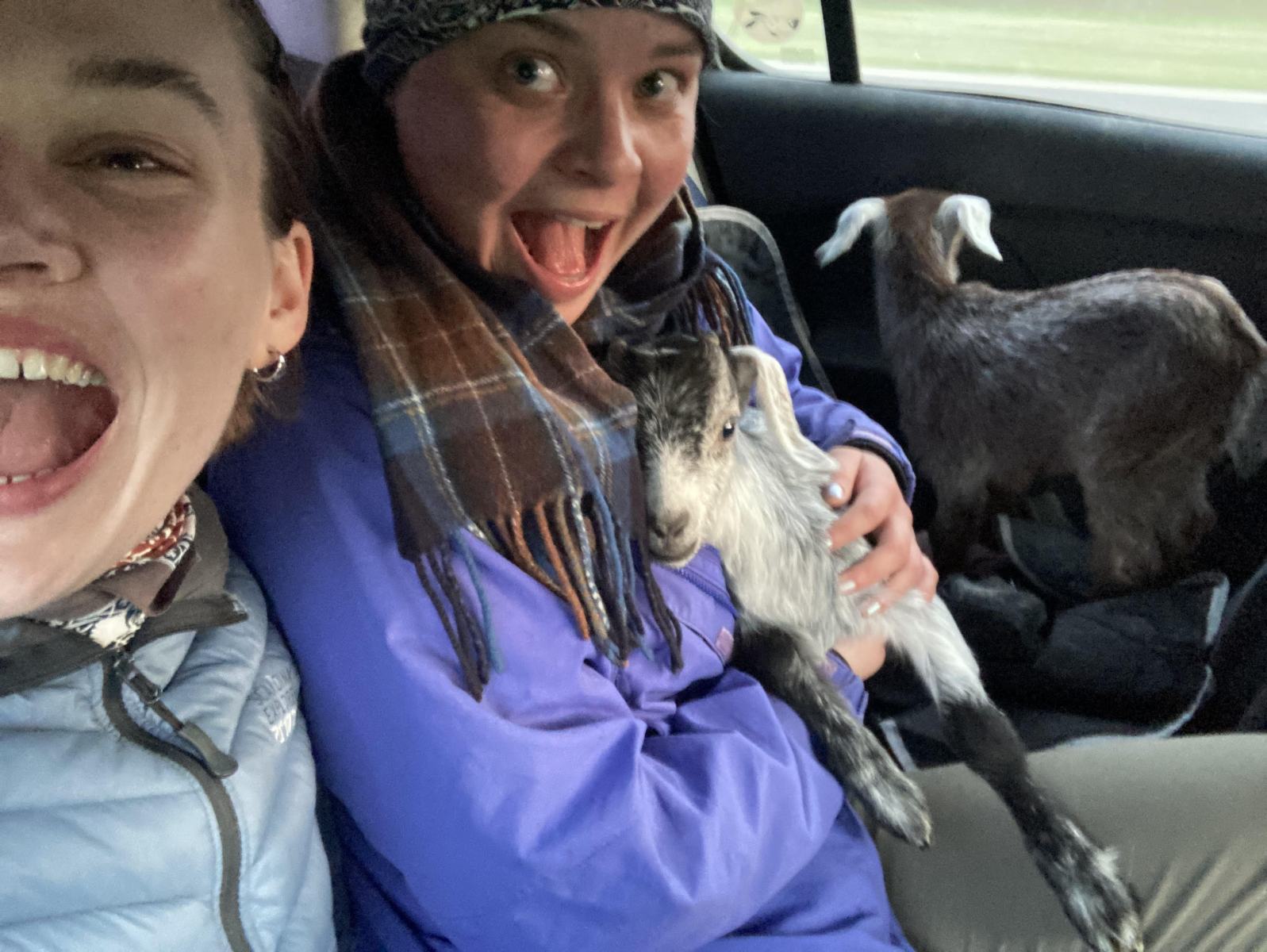
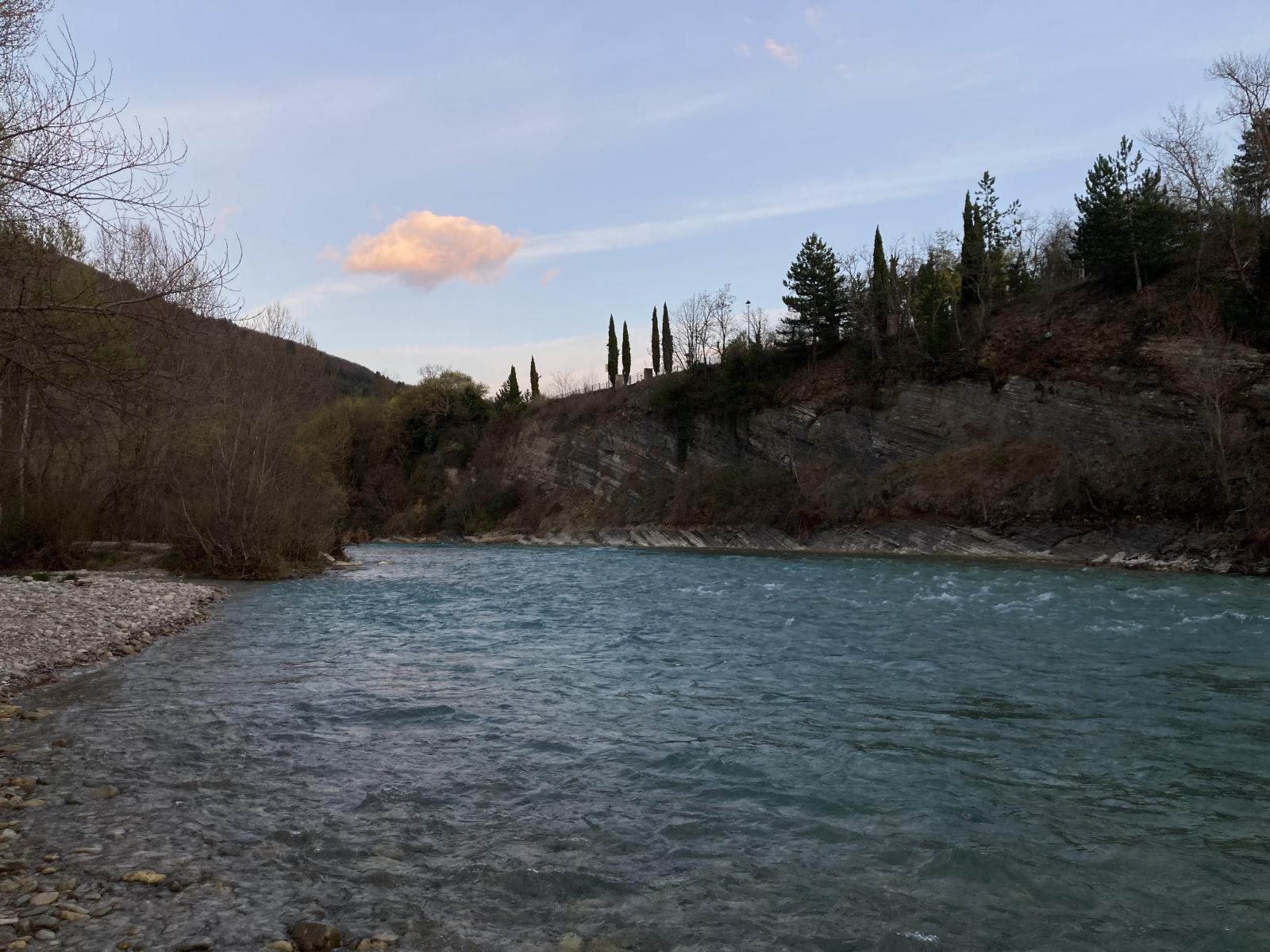
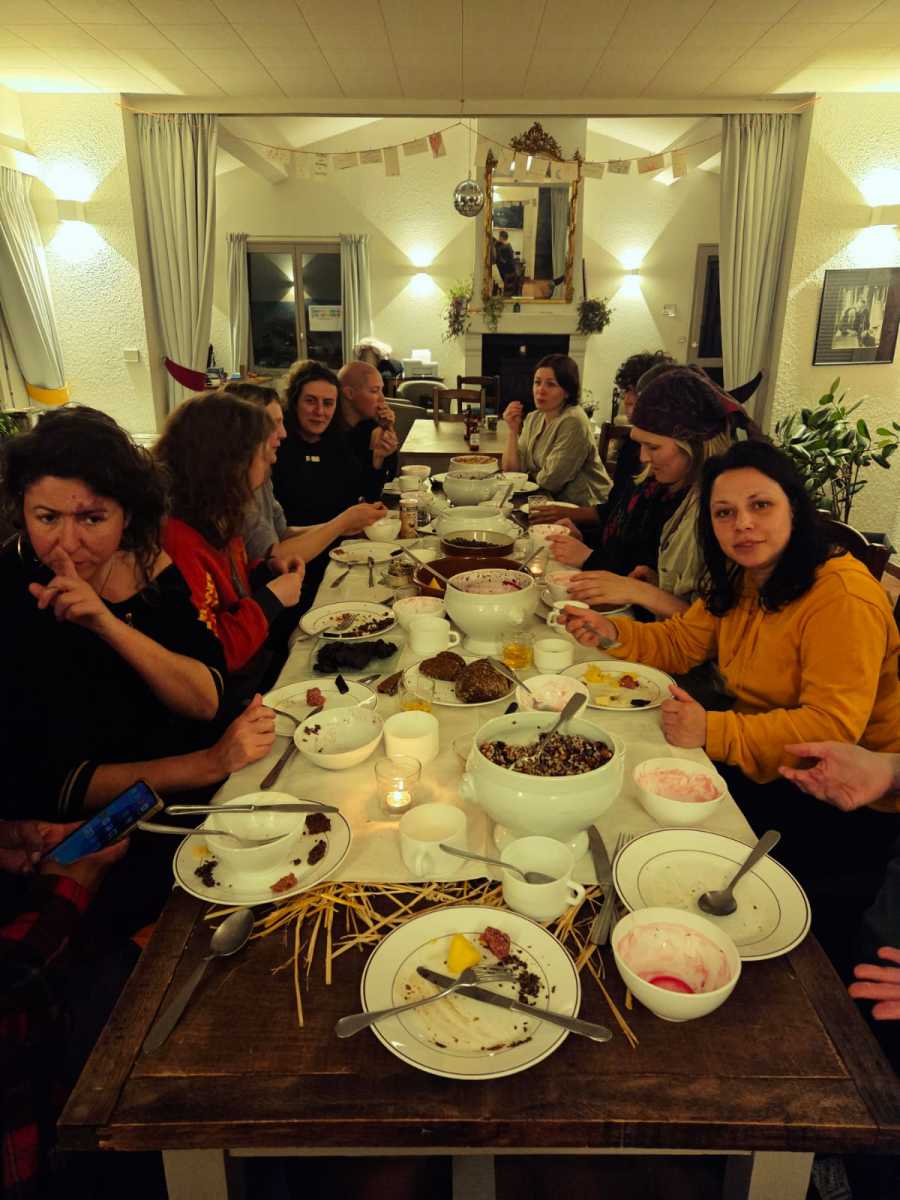
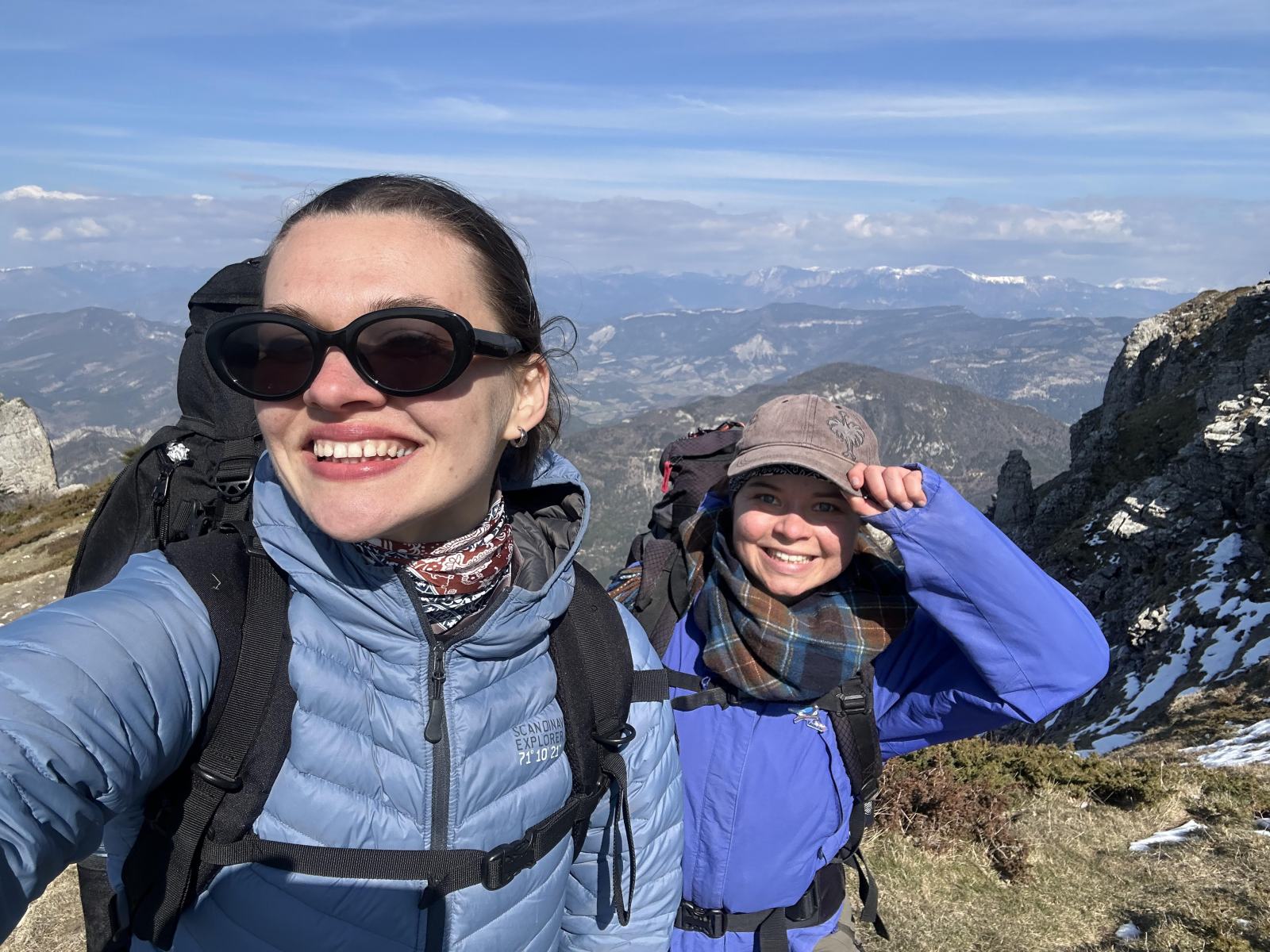
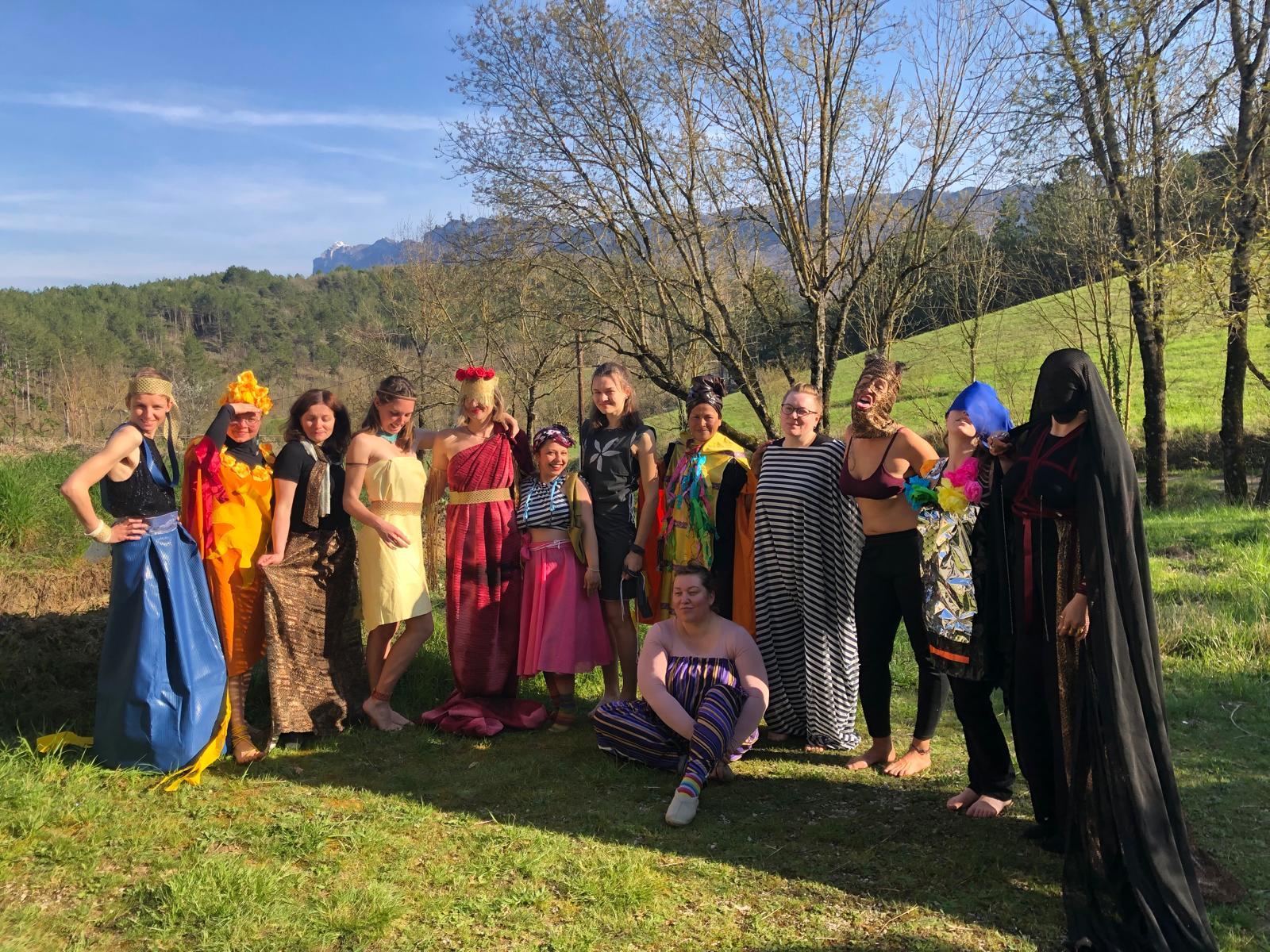
We also had the opportunity to enjoy the natural surroundings of the venue with the view on magnificent mountains and blooming spring all around us. We discovered the surrounding nature through walks, relaxation sessions, and informal moments together. These experiences helped us recharge, regulate our nervous systems, and integrate our experiences. Living and spending time together created a sense of siblinghood and solidarity that made the whole project feel like a small community. We especially enjoyed cultural dinners, games of secret friends and messages from the “shooting box” throughout the project, which made this experience even more memorable.
Considering everything, this training course was not only about creativity and self-expression, but also about empowerment and social awareness. We reflected on important topics such as gender equality, systemic discrimination, and the role of individuals in creating social change. It made me realize that personal stories are deeply connected to political realities, and that sharing them can be a powerful tool for transformation. Together we were a safe space for each other to share about gender connected injustice we experienced. We gave voice to what was unexpersed and empovered each other. We became aware of our own privileges too, and realized we have much to learn about intersectionality, and much to do, to include gender minorities, ethnic minorities, refugees and people with disabilities into empowering opportunities, such as this one. We were all leaving this project personally empowered and aware we have a big homework to do: to keep educating ourselves on intersectionality and to spread empowerment and inclusivity to all minorities.
To sum it up, this experience had something truly special. It gave us the space to express, to be heard, to connect, and to grow both individually and collectively. I am very grateful to all the organizers, facilitators, and participants who made this project possible. It is inspiring to see how such initiatives can empower people and contribute to building a more inclusive and equal world. This journey does not end here – it is only the beginning of applying what we have learned in our own communities.
Barbora O.