ERASMUS+, Key action 1: training course
Dates: 6—11 December 2025
Venue: Berlin, Germany
Czech team: 4 participants
Please read the info-pack.
Hosting organisation: Youth Power Germany e.V
Project report:
I took part in a training course focused on the prevention of gender-based violence, which brought together a diverse international group of young people from different cultural and social backgrounds. Participants came from Afghanistan, Morocco, Italy, France, Mozambique, Azerbaijan, Georgia, Ukraine, Kyrgyzstan and the Czech Republic. This diversity created a rich learning environment and allowed me to explore the topic from multiple perspectives shaped by different national, cultural and legal contexts.
The project was very well organised and professionally facilitated by the main trainers, Nedim and Amar, who created a safe, open and engaging learning atmosphere. They managed to combine a friendly and approachable attitude with a high level of professionalism. Logistical support was provided throughout the project, which allowed me to fully focus on the programme and the learning process.
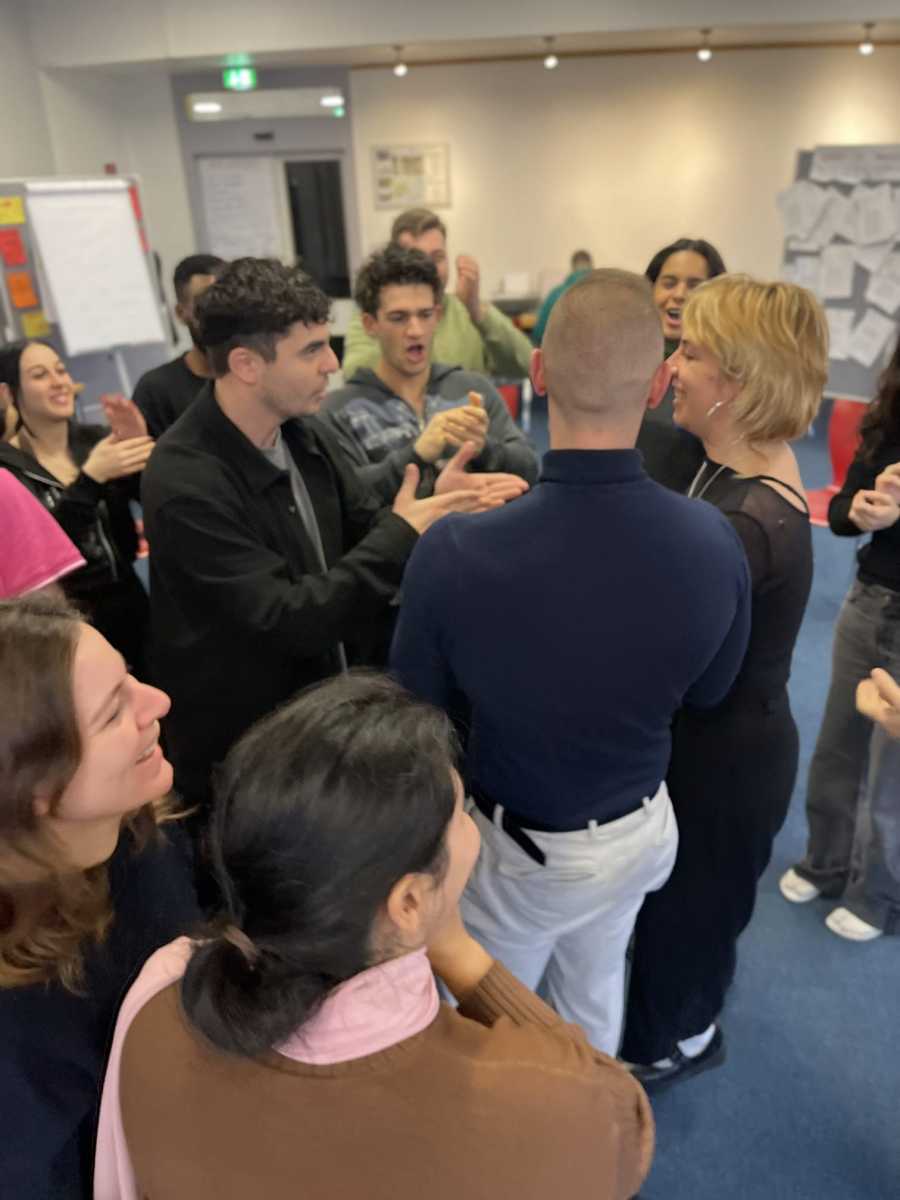
The programme was carefully structured and built progressively over the course of the training. It began with team-building and introductory activities that helped me get to know the other participants, build trust within the group and establish a safe space for discussion. In the following sessions, we explored our expectations, learned about the Erasmus+ programme and the hosting organisation, and were introduced to the main themes and goals of the project.
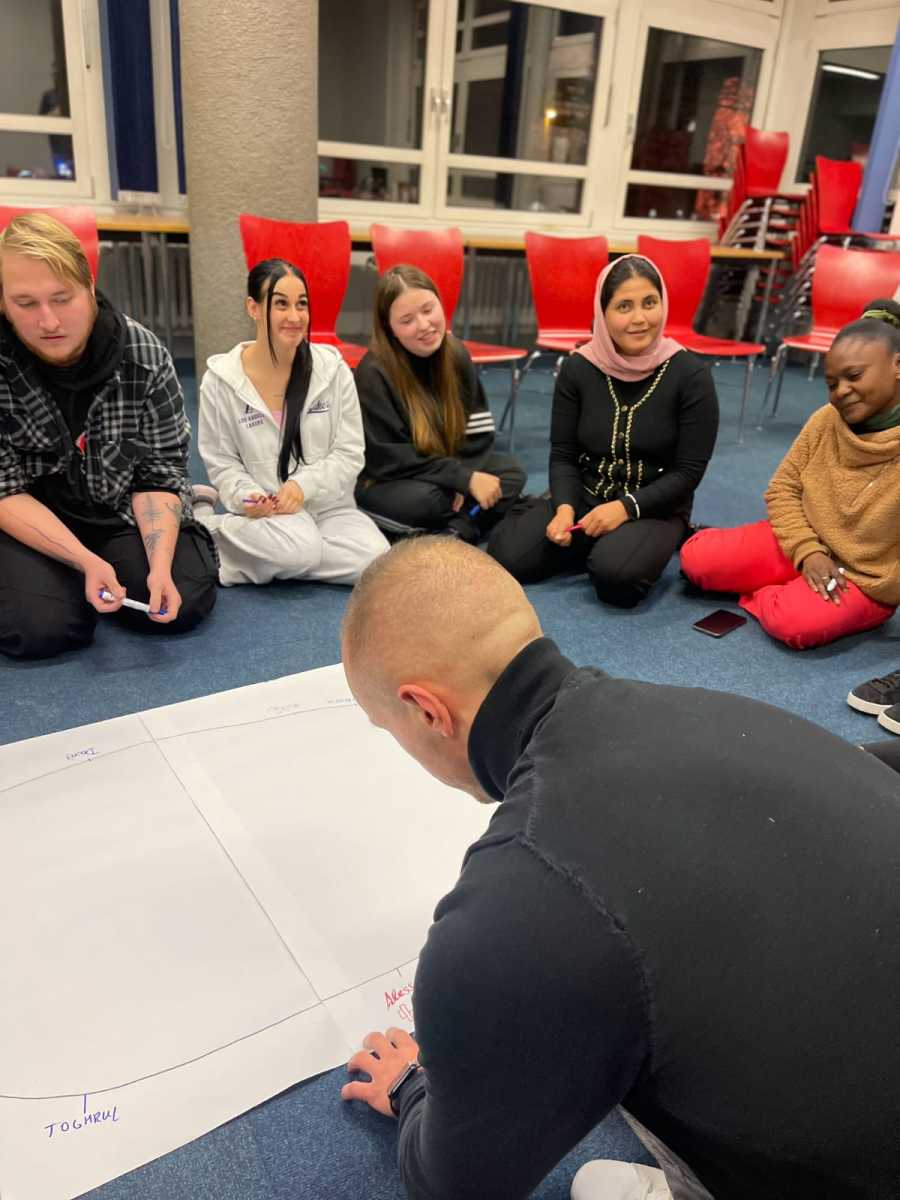
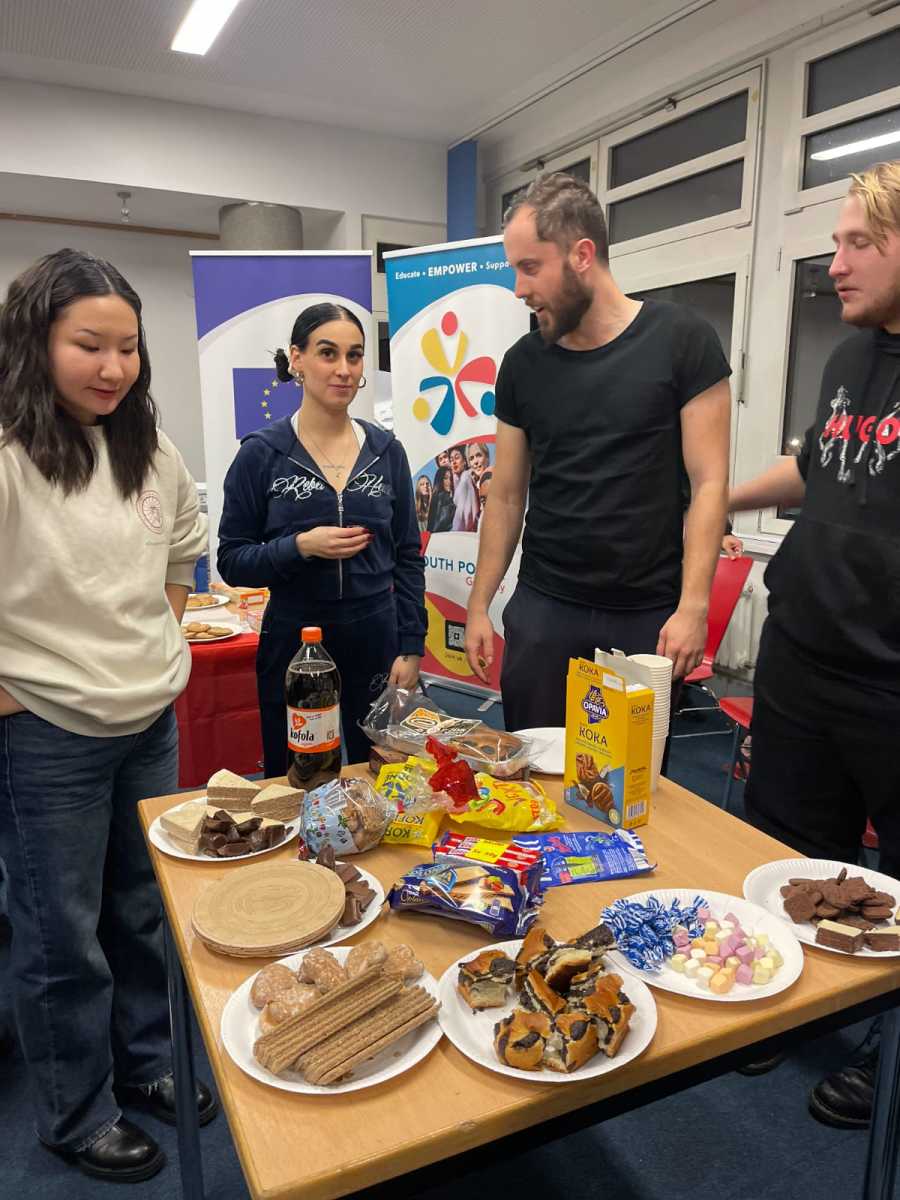
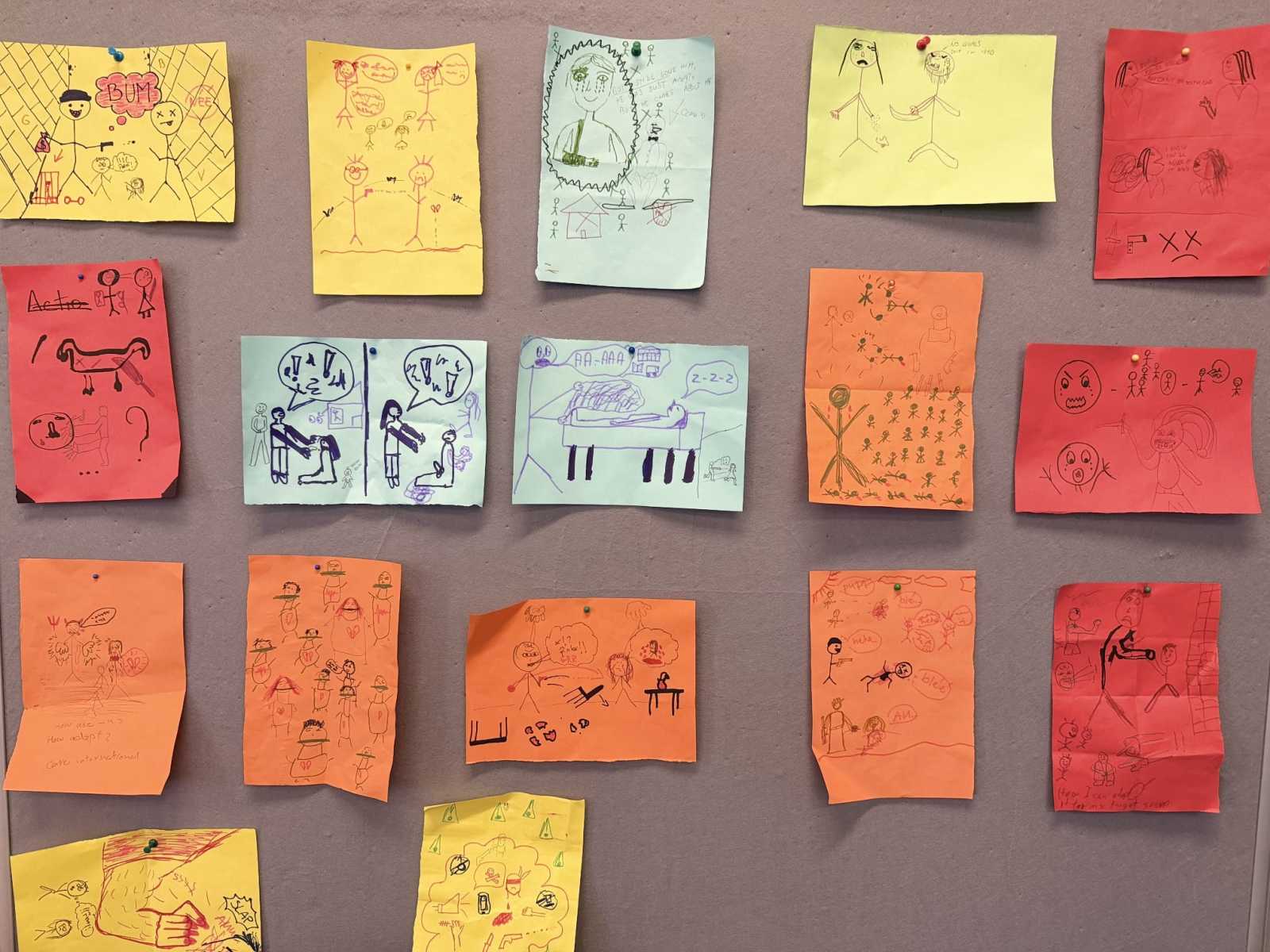
A significant part of the programme focused on working with the topic of gender-based violence in a practical and interactive way. I worked in a national team to research how gender-based violence is addressed in my country, including social attitudes and legal frameworks. We then presented our findings through posters, which allowed for meaningful comparisons between different national contexts and encouraged discussion about similarities and differences across countries. The programme also included an intercultural evening, during which I had the opportunity to share cultural elements, food and traditions from my country and learn more about the cultures of other participants. This activity strongly contributed to group bonding and intercultural understanding.
Another important part of the programme focused on learning processes and educational methods. I learned about the learning cycle and reflected on how learning experiences are created within non-formal education. One of the most impactful activities for me addressed the concept of gender and challenged common stereotypes and social norms associated with women and men. Through this exercise, I became more aware of how deeply rooted these stereotypes are and how they influence our perceptions and behaviour. The programme also explored the topic of violence in more depth, including its definition, different forms and the cycle of violence.
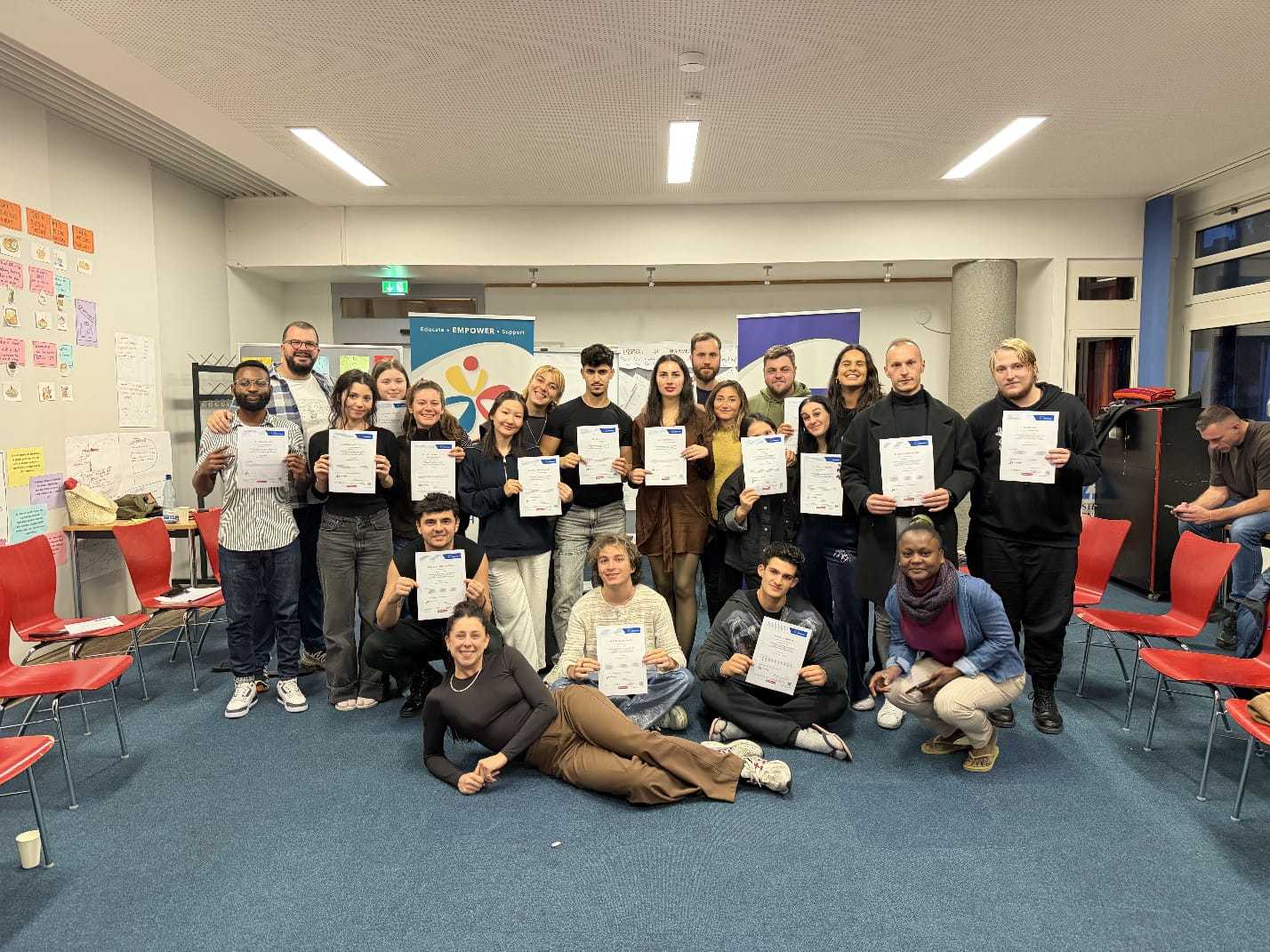
In the later stages of the project, I worked in international groups to design our own workshops focused on gender-based violence prevention. This allowed me to apply the knowledge and methods I had gained during the training. On the final day, we tested these workshops through simulations with other participants, which helped me develop my facilitation skills and gain valuable feedback. The project concluded with a final evaluation and closing ceremony, where I reflected on my learning outcomes, personal development and overall experience.
Through this project, I gained a deeper understanding of gender-based violence, improved my communication and facilitation skills, and acquired practical tools that I can use in my future work with young people. The project successfully combined education, intercultural learning and personal development, and it had a strong and lasting impact on my personal and professional growth.
Kateřina J.