Erasmus+, Key action 1: training course
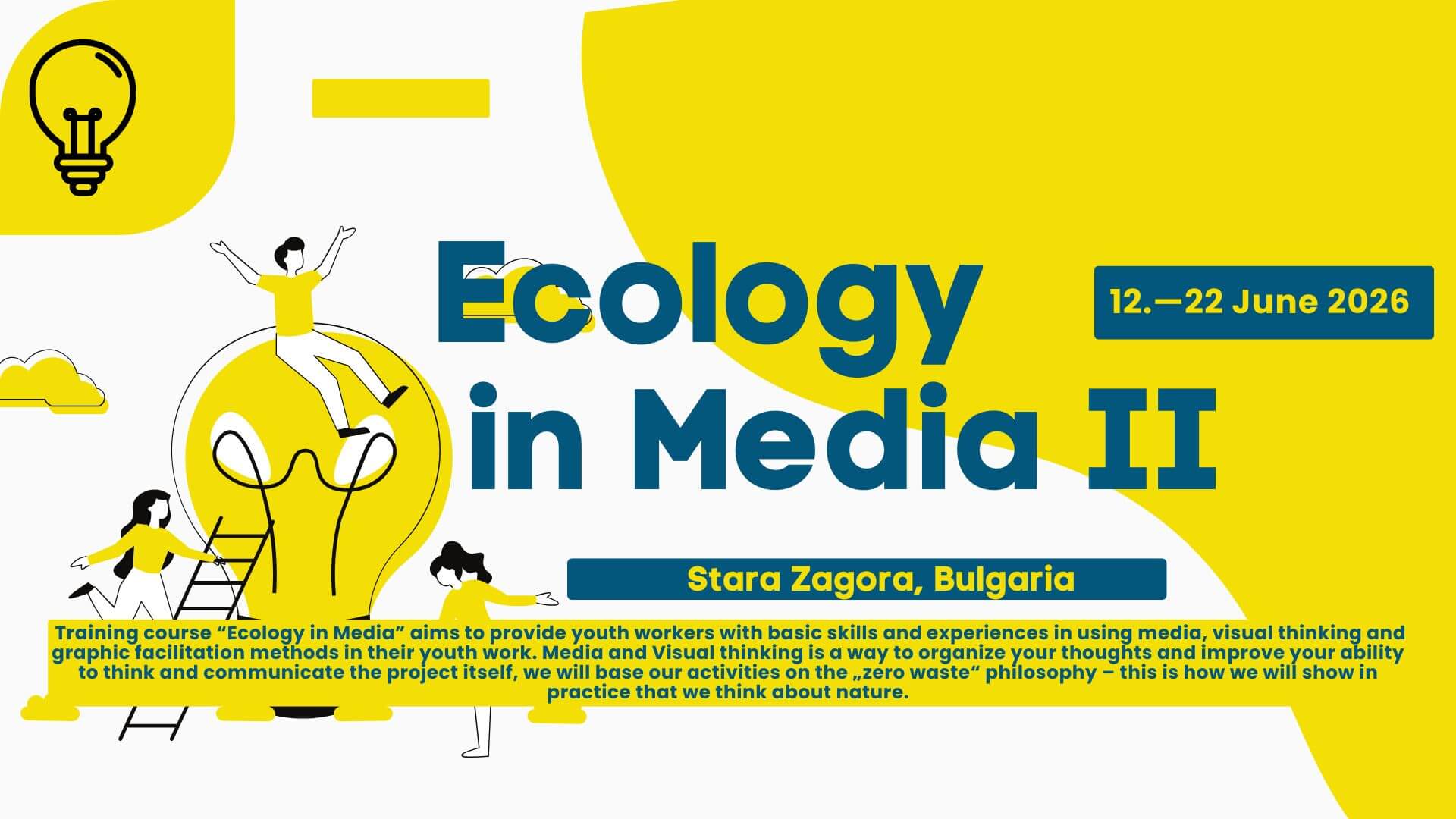
Dates: 12—22 June 2026
Venue: Stara Zagora, Bulgaria
Czech team: 3 participants
Please read the info-pack.
Hosting organisation: Youth development center-Mutual aid
Project report:
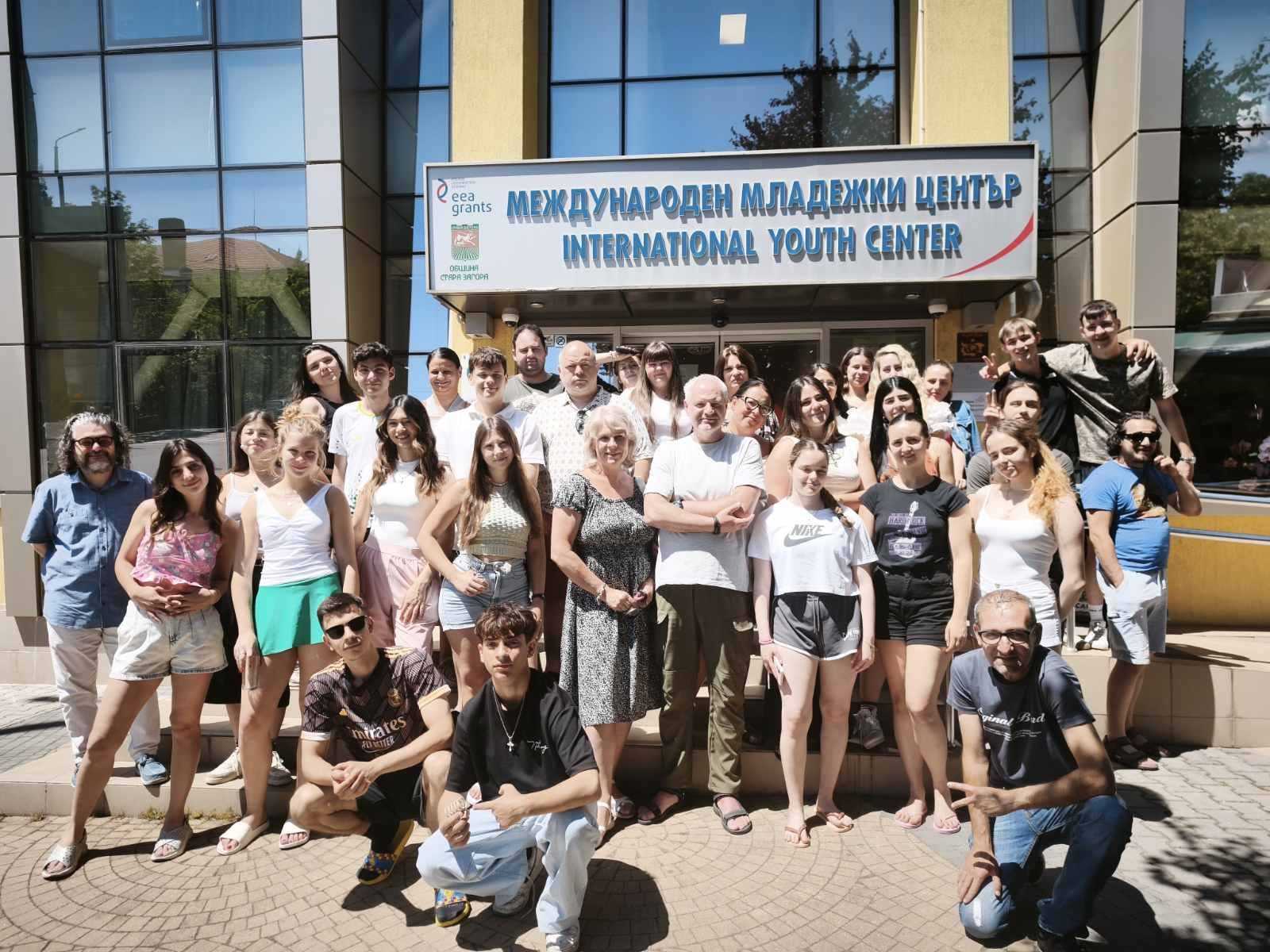
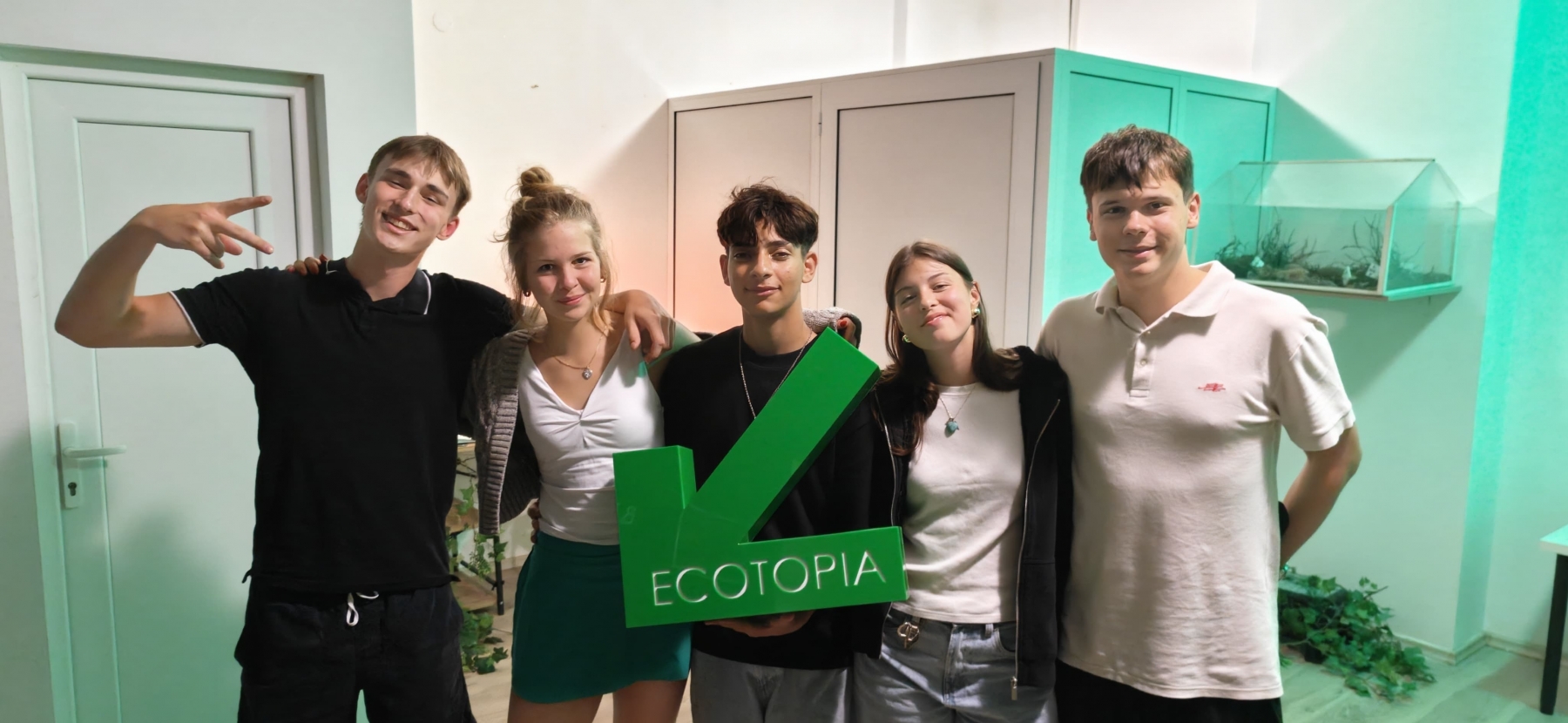
From 12 to 22 June 2026, we had the opportunity to take part in the training course Ecology in Media II in Stara Zagora, Bulgaria. The project brought together young people from five countries to explore environmental issues and learn how media can be used as a powerful tool for raising awareness and promoting positive change.
The main goal of the project was to improve participants’ understanding of current environmental challenges and to develop practical media skills that can help communicate these topics effectively. Throughout the training course, we discussed issues such as fast fashion, environmental pollution, ecological footprints, recycling, upcycling, and the impact of long-distance transportation of products and combustion engine based logistics on the environment.
An important part of the project focused on media literacy and content creation. We learned how to create engaging videos, use different types of hooks to capture viewers’ attention, improve presentation skills, and design successful awareness campaigns. We also explored different promotion strategies and discussed how media can be used to encourage sustainable behaviour and educate the public about environmental problems.
The learning process was highly practical. We worked in international teams, participated in simulations, discussions, presentations, and creative workshops, and tested many of the methods ourselves. By creating sample campaigns and media content, we were able to apply newly acquired knowledge directly in practice.
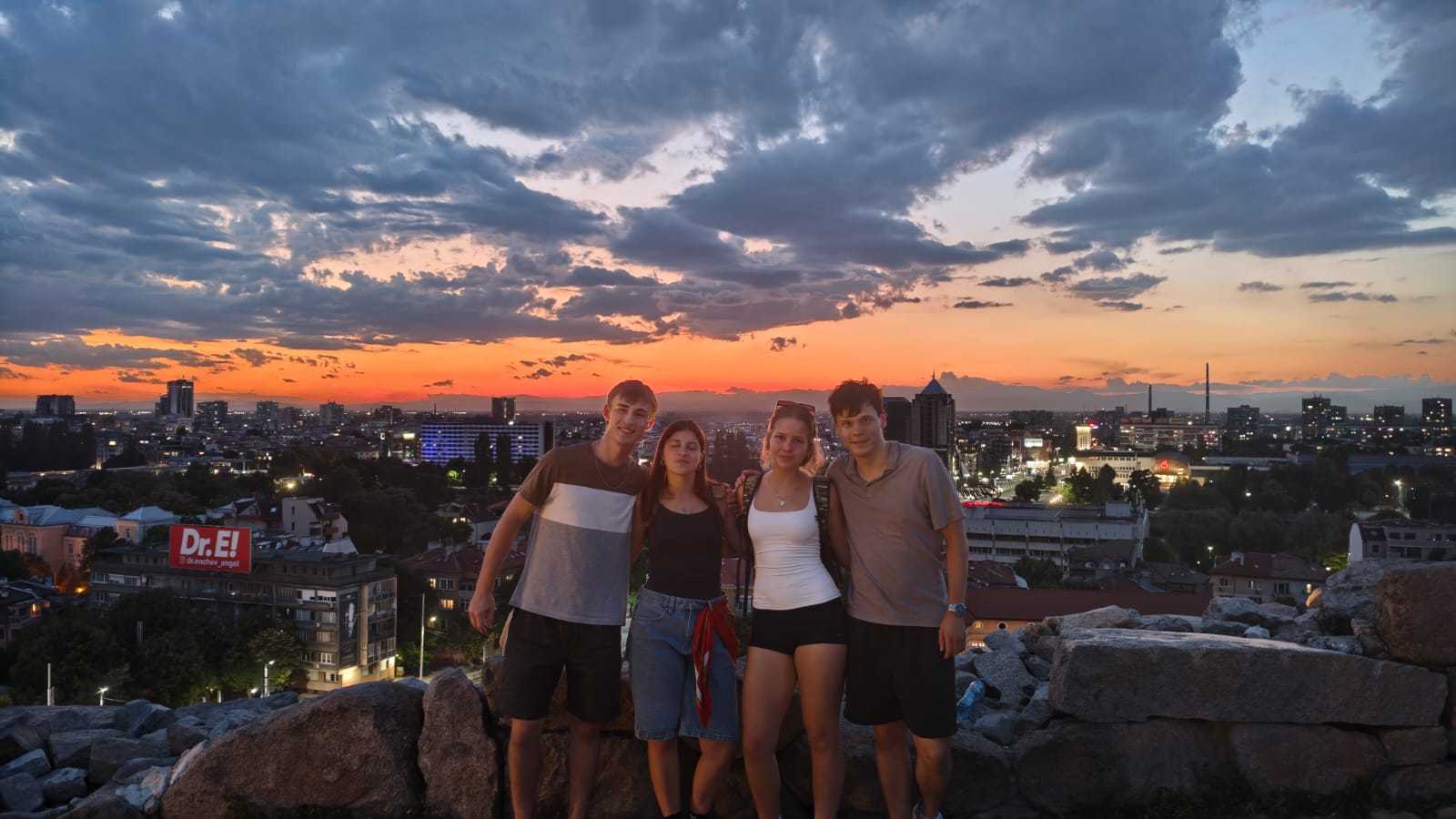
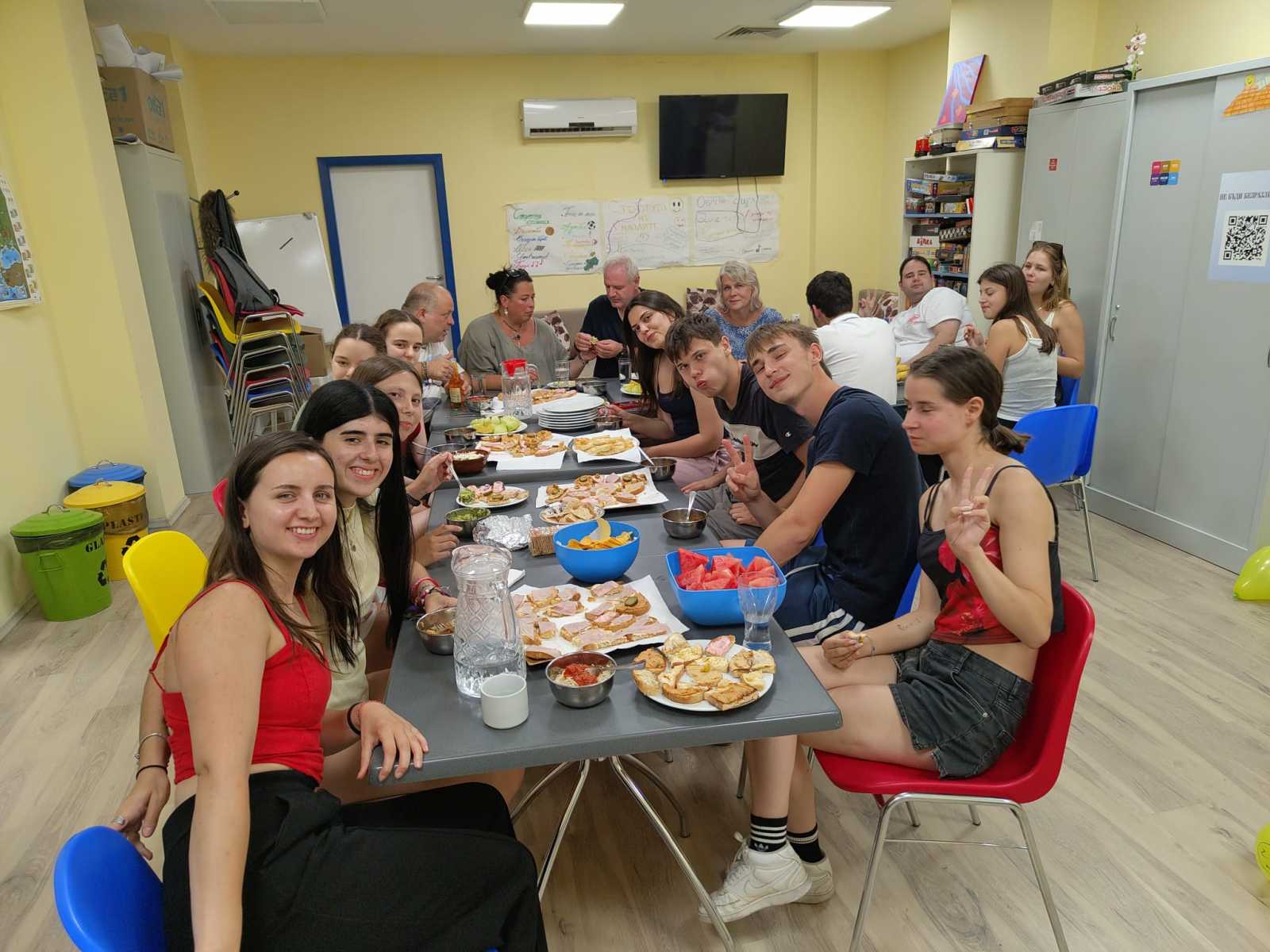
Besides the educational activities, the project also offered opportunities for intercultural exchange. Through teamwork, informal discussions, cultural evenings, and local events, we learned more about the traditions and perspectives of participants from different countries. One memorable experience was visiting a local festival in Stara Zagora, where we could enjoy the atmosphere of the city and experience Bulgarian culture firsthand.
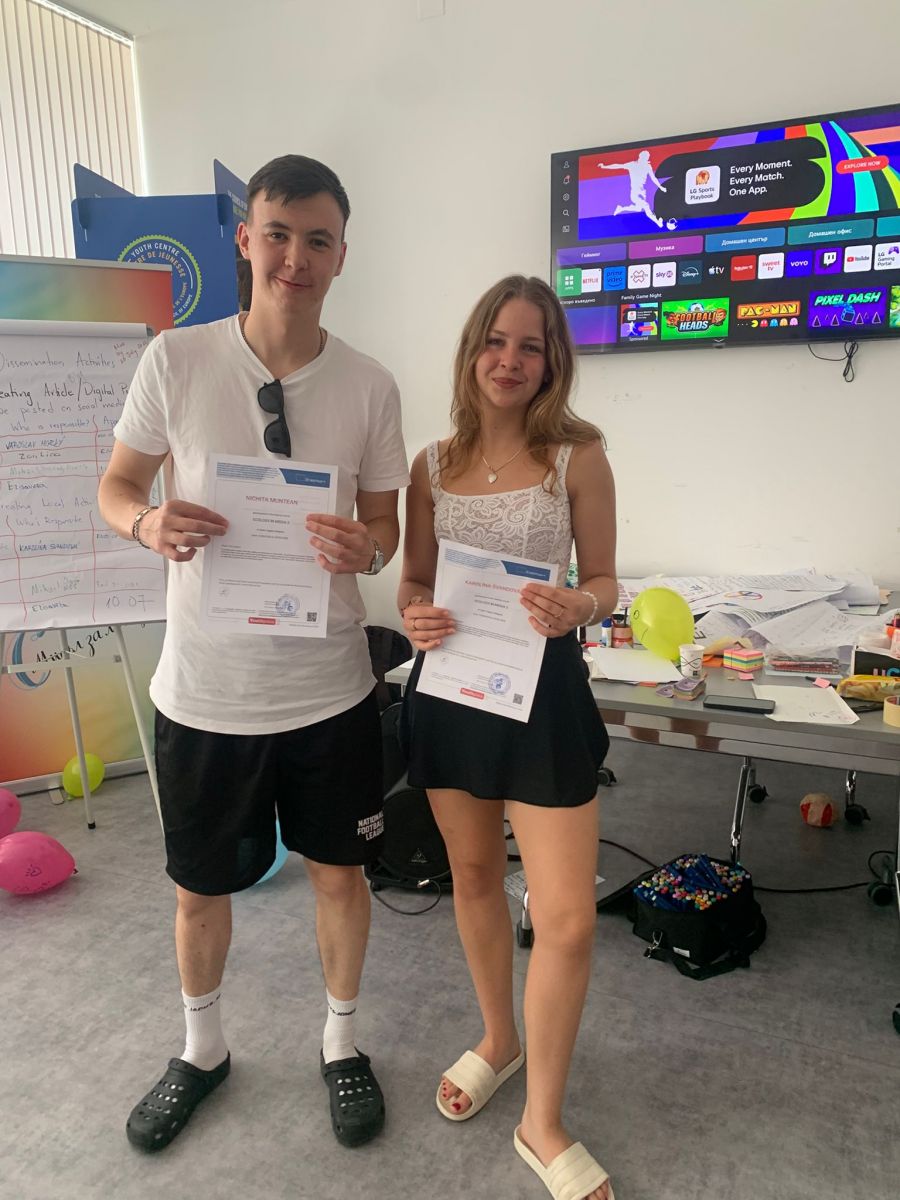
As a result of the project, we gained valuable knowledge about environmental sustainability, media communication, and public engagement. We improved our presentation and communication skills, learned new methods of content creation, and developed a better understanding of how media can contribute to solving environmental challenges. The project inspired us to become more conscious consumers and more active promoters of sustainable practices in our local communities.
Ecology in Media II was an inspiring and enriching experience that combined environmental education, practical media training, and international cooperation. We are grateful for the opportunity to participate and bring the acquired knowledge back to our communities.
Jaroslav H.