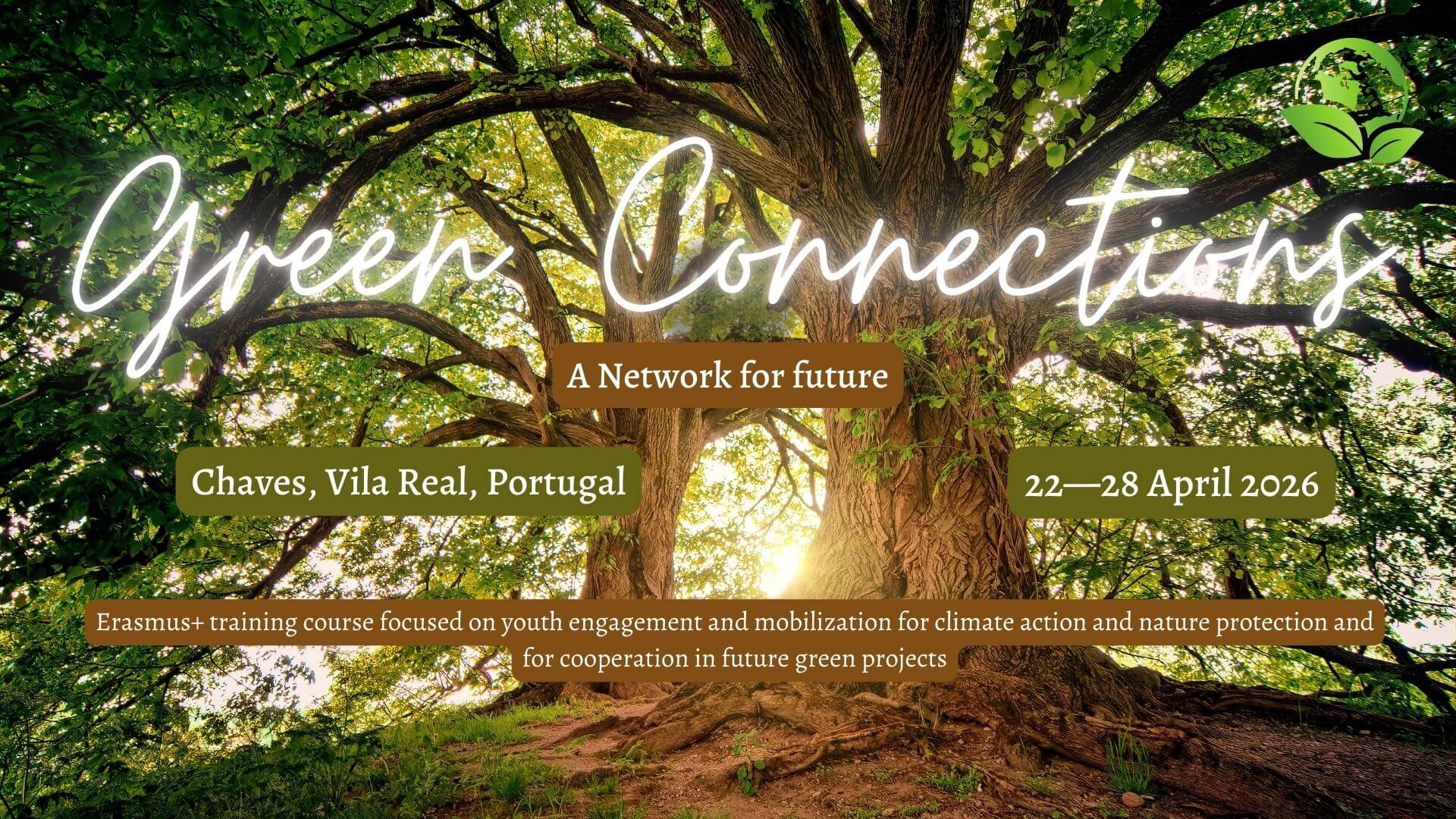
ERASMUS+, Key action 1: training course
Dates: 22—28 April 2026
Venue: Chaves, Vila Real, Portugal
Czech team: 2 participants – youth workers
Please read the info-pack.
Hosting organisation: Associação Inspira!
Project report:
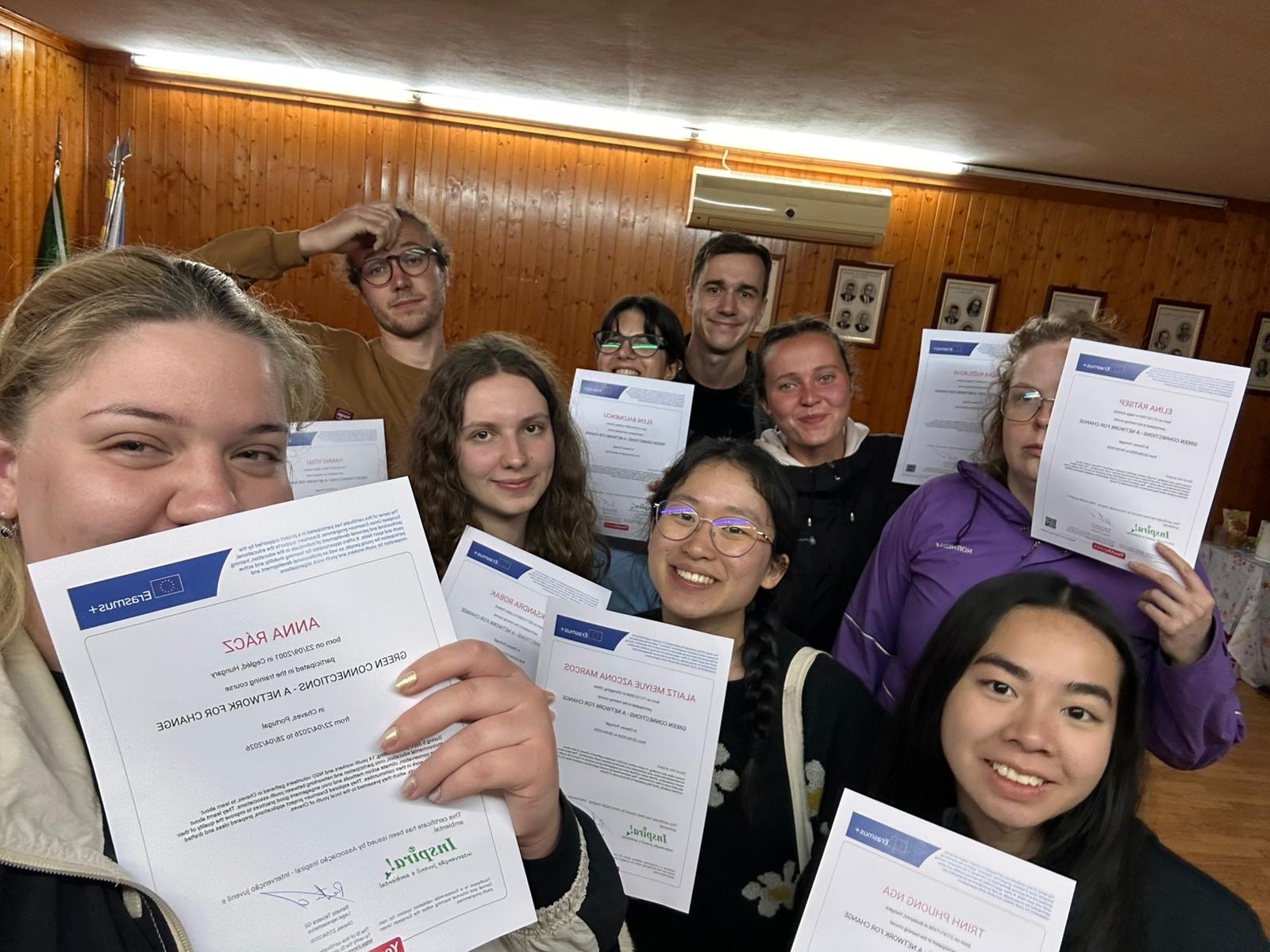
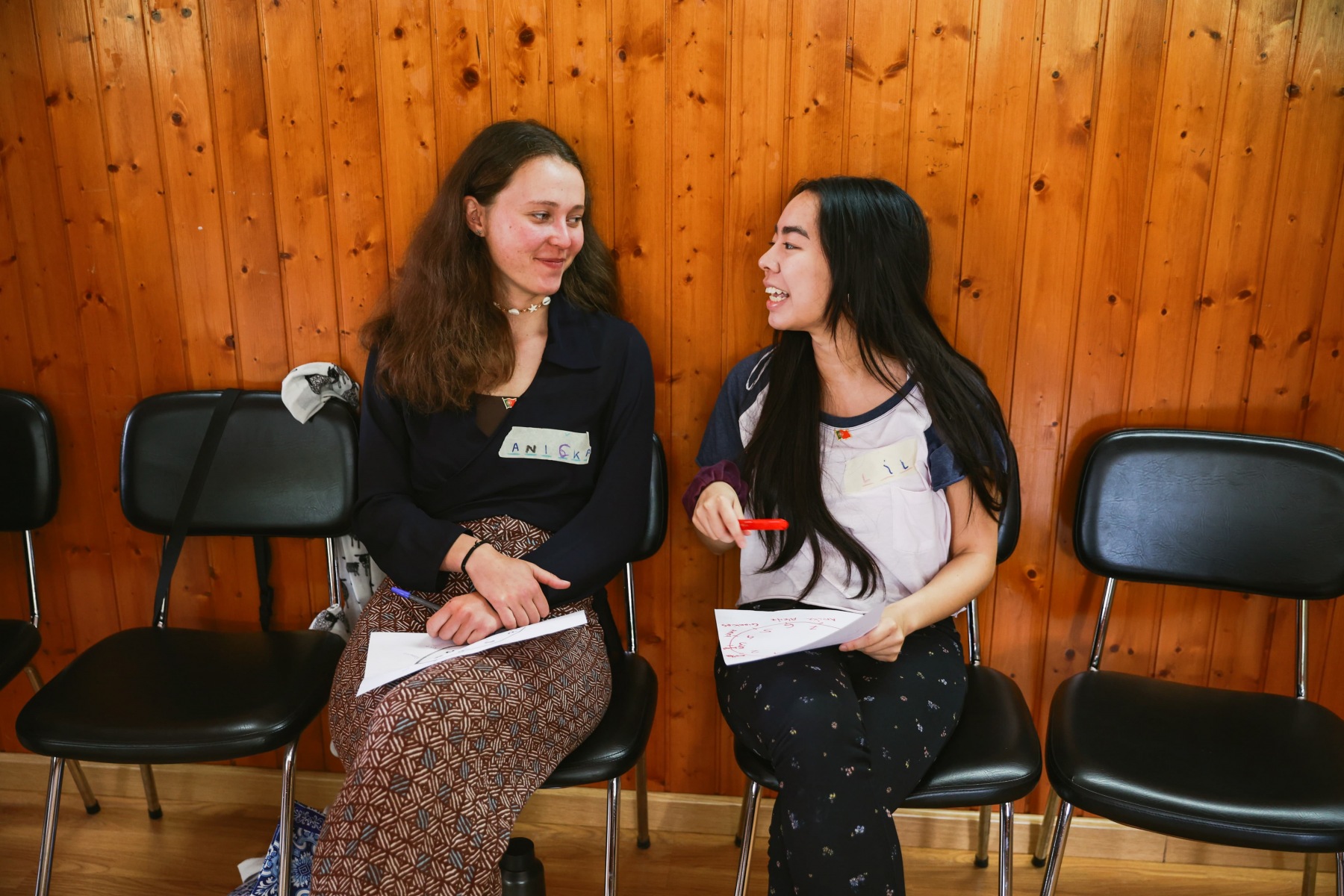
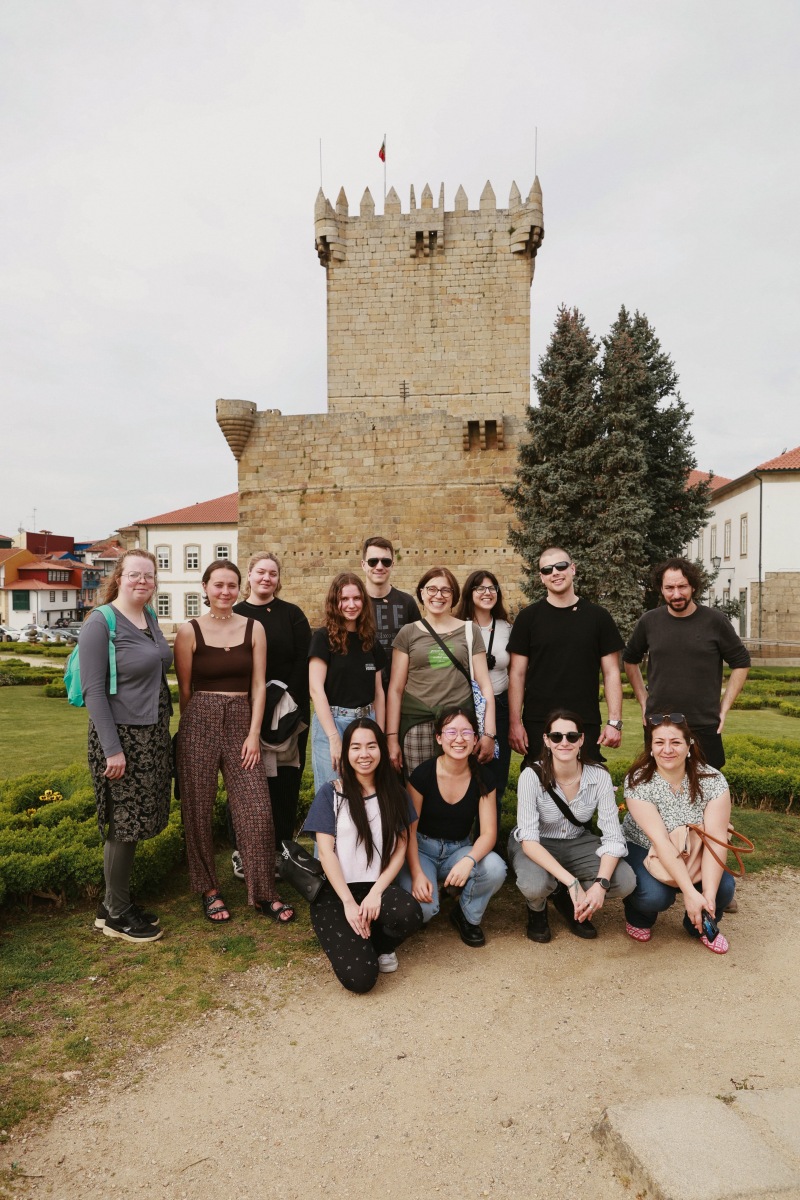
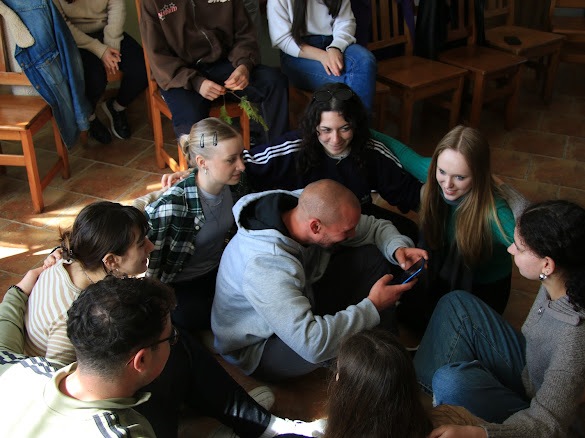
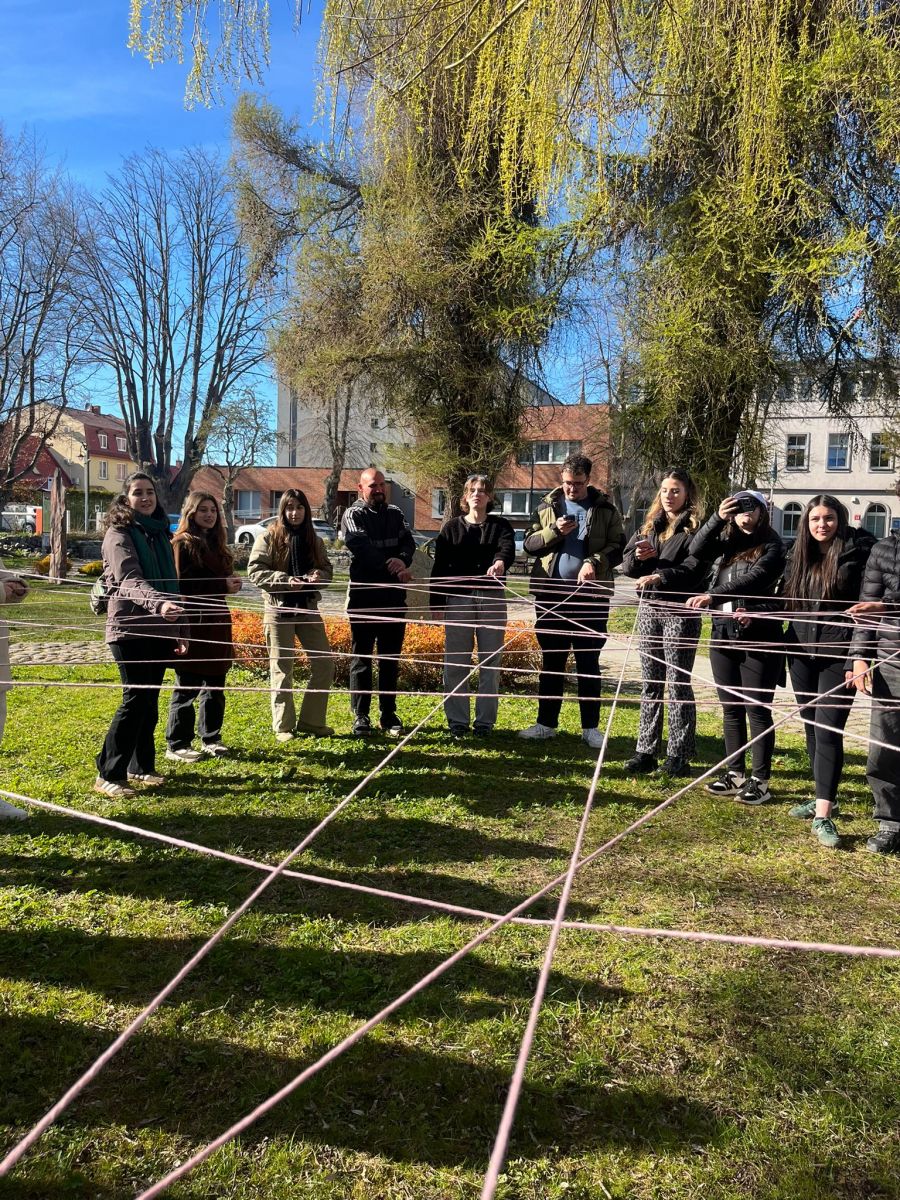
At the end of April, we took part as a two-member Czech team in the project Green Connections – A Network for Future in the Portuguese city of Chaves. It was a Partnership Building Activity whose main aim was to connect organisations working on environmental topics, green projects, youth work and sustainability.
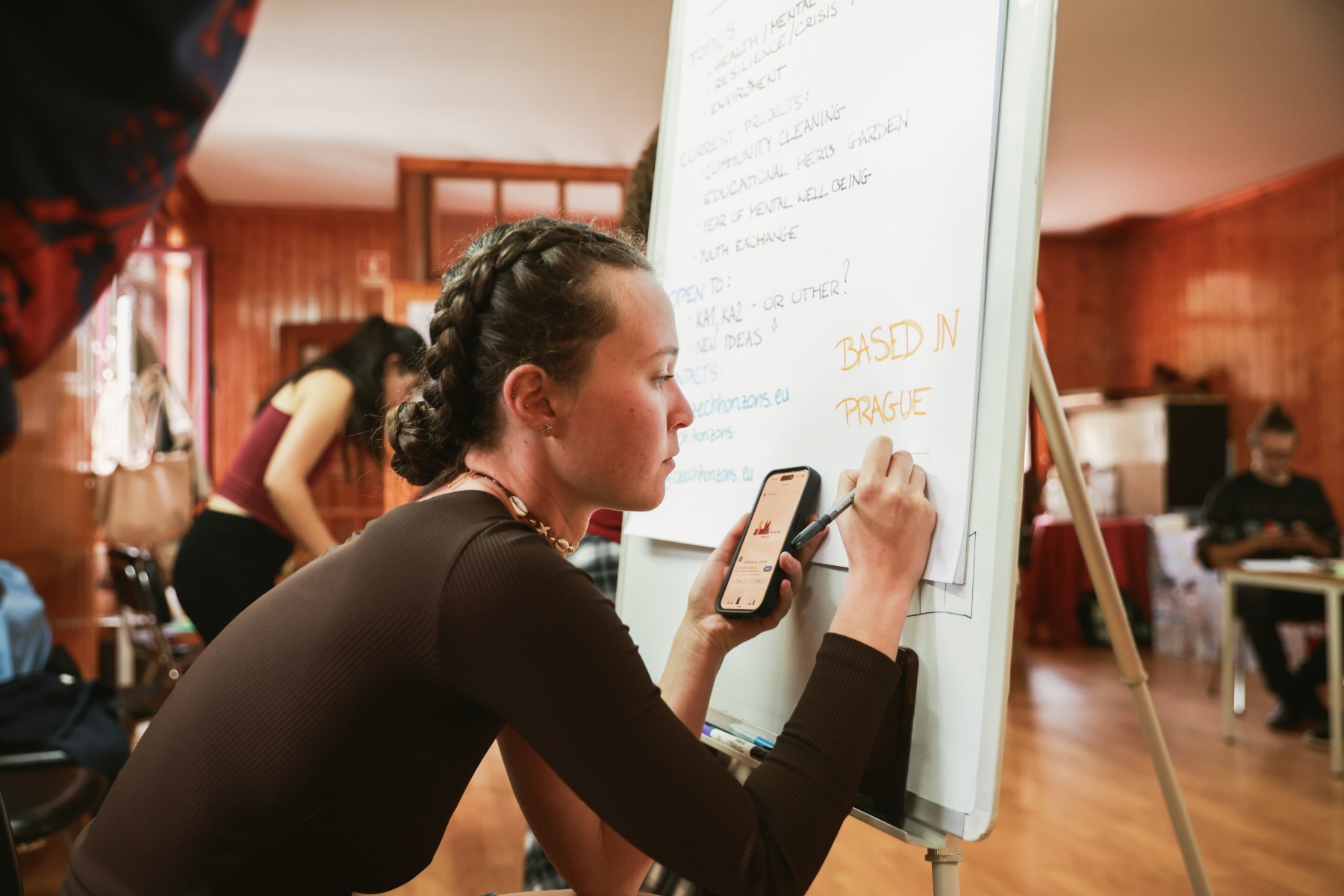
The original intention of the project was to create a space for sharing experience between organisations, finding new partnerships and preparing possible future international projects. We therefore expected mainly to meet people who are actively involved in non-profit organisations and who run their own green initiatives. Unfortunately, this aim was not fully met in the way we had expected, as the composition of participants did not always correspond to the original focus of the activity. Despite this, the project brought us several important experiences and insights.
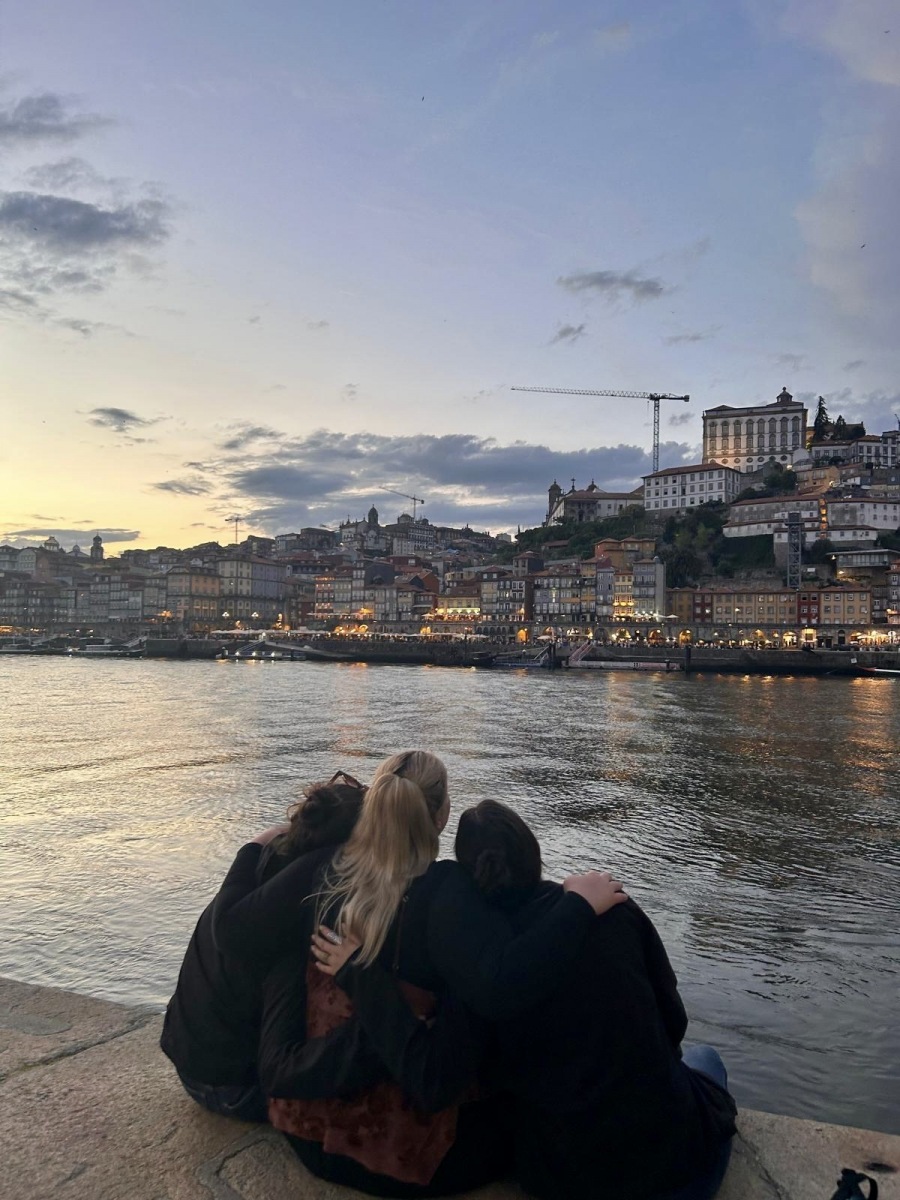
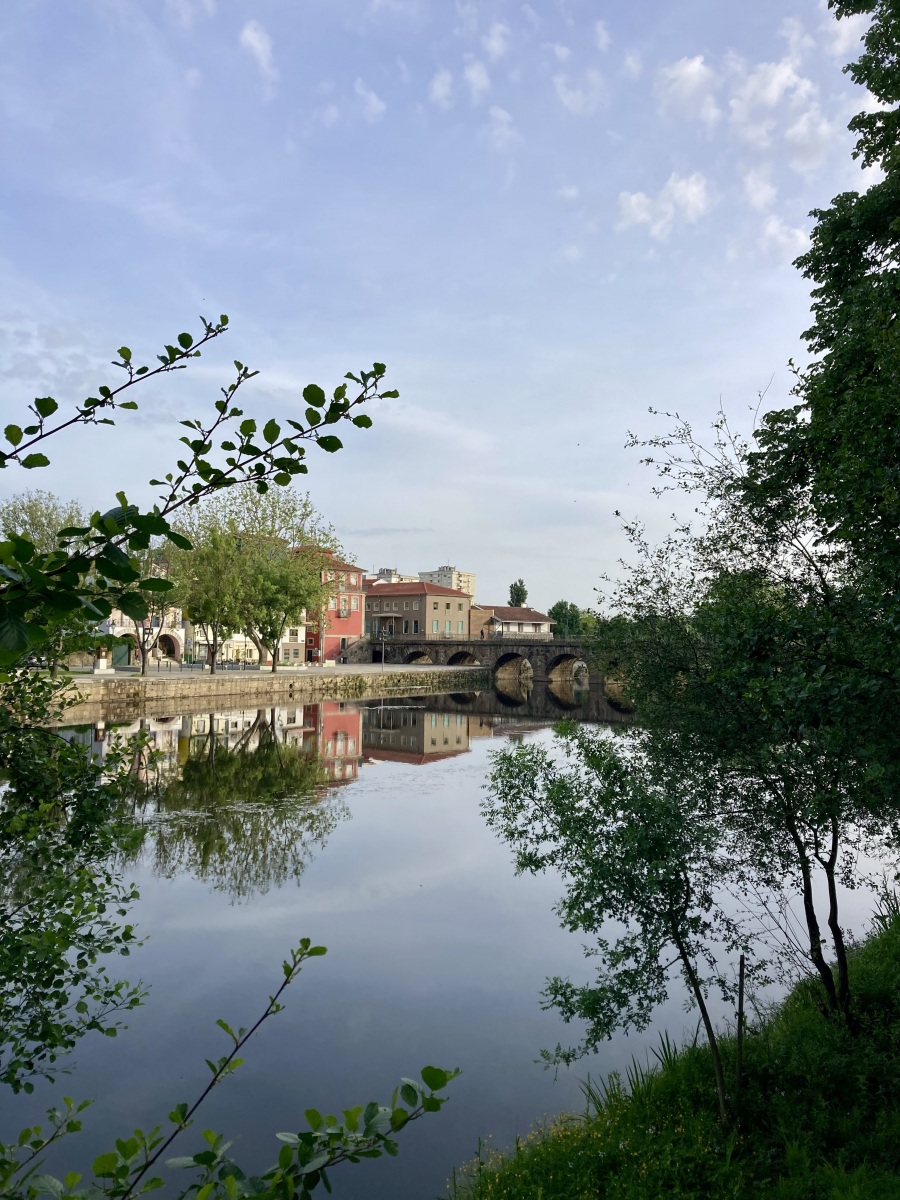
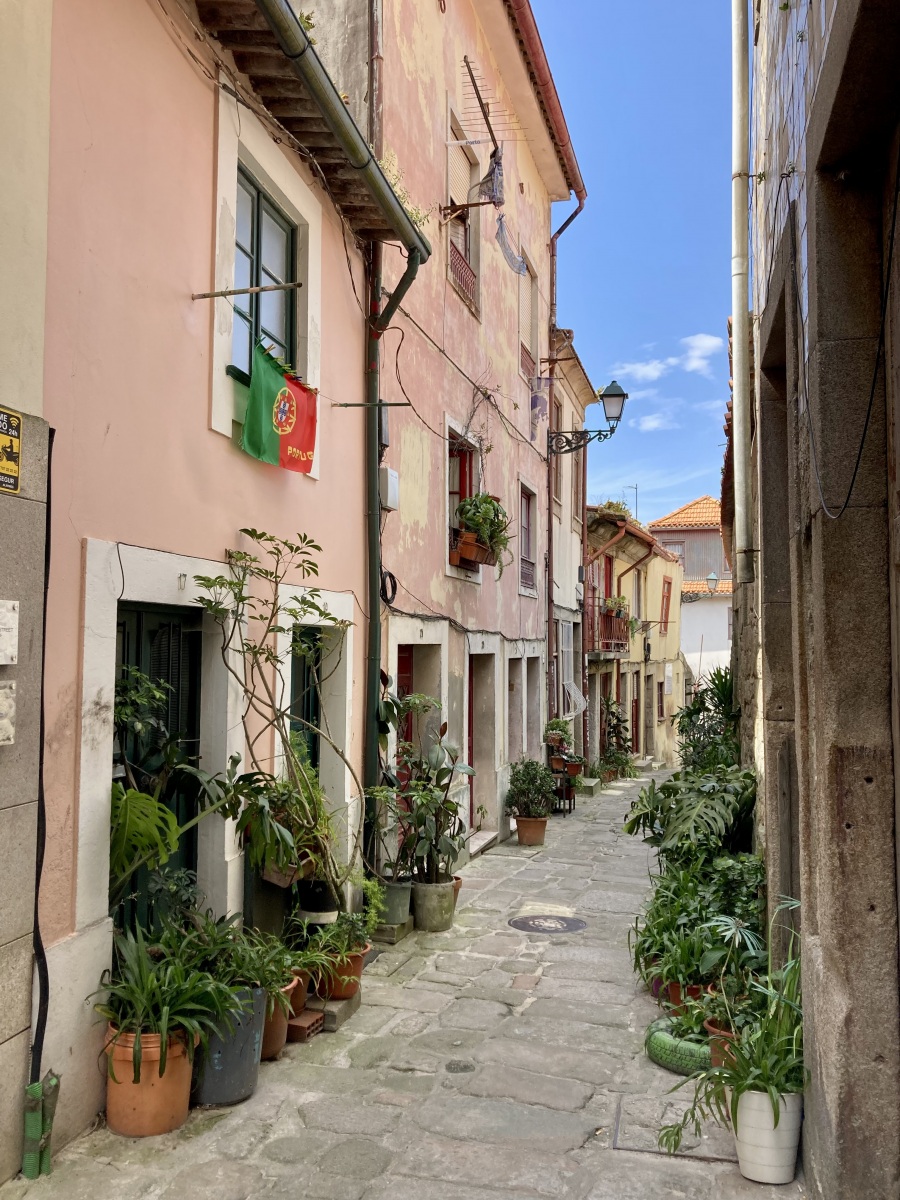
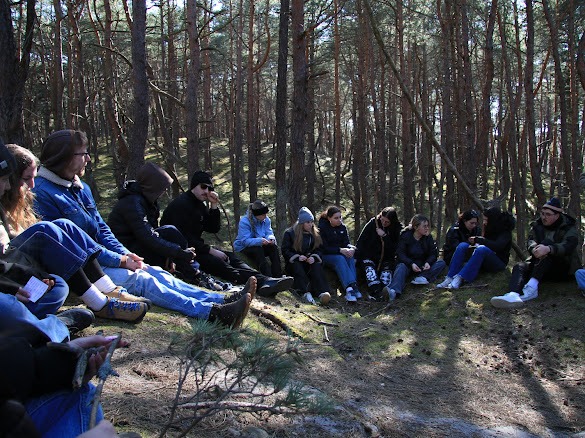
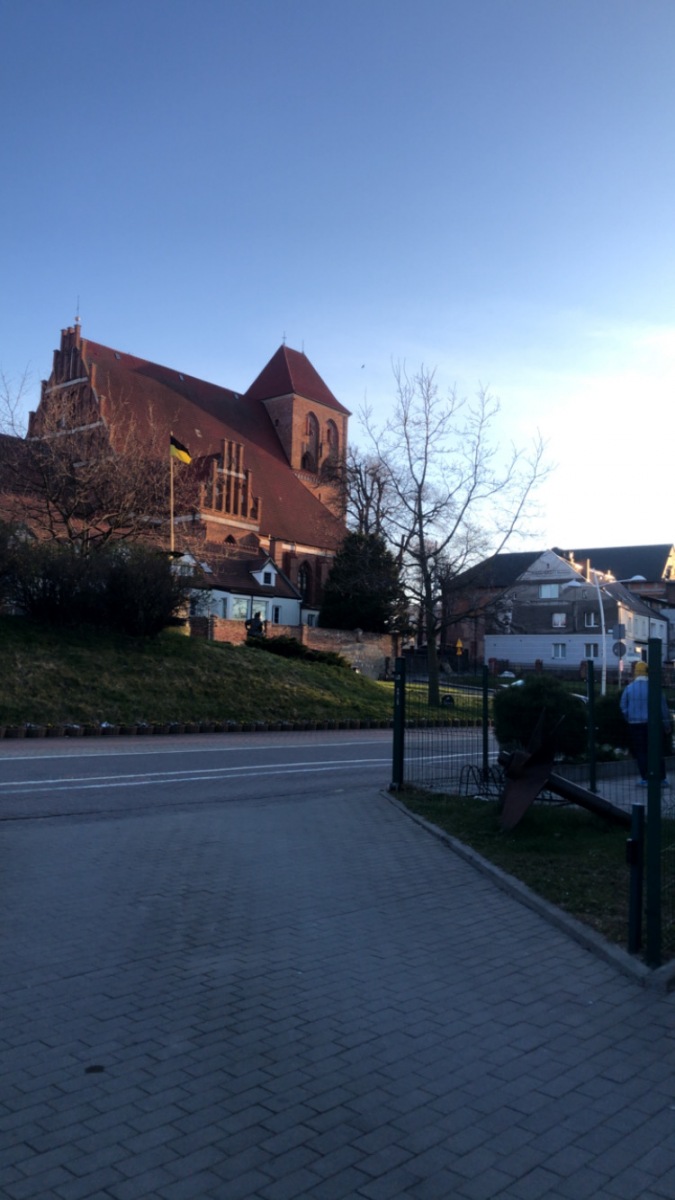
During the programme, we had the opportunity to get to know the Chaves region, its local community, culture and natural environment. The programme also included activities focused on local ecosystems and environmental problems in the surrounding area. One of the strongest moments was a practical activity during which we helped clean up an illegal dumping site. This allowed us to see first-hand how concrete and visible the impacts of irresponsible waste management can be on both the landscape and the local community.
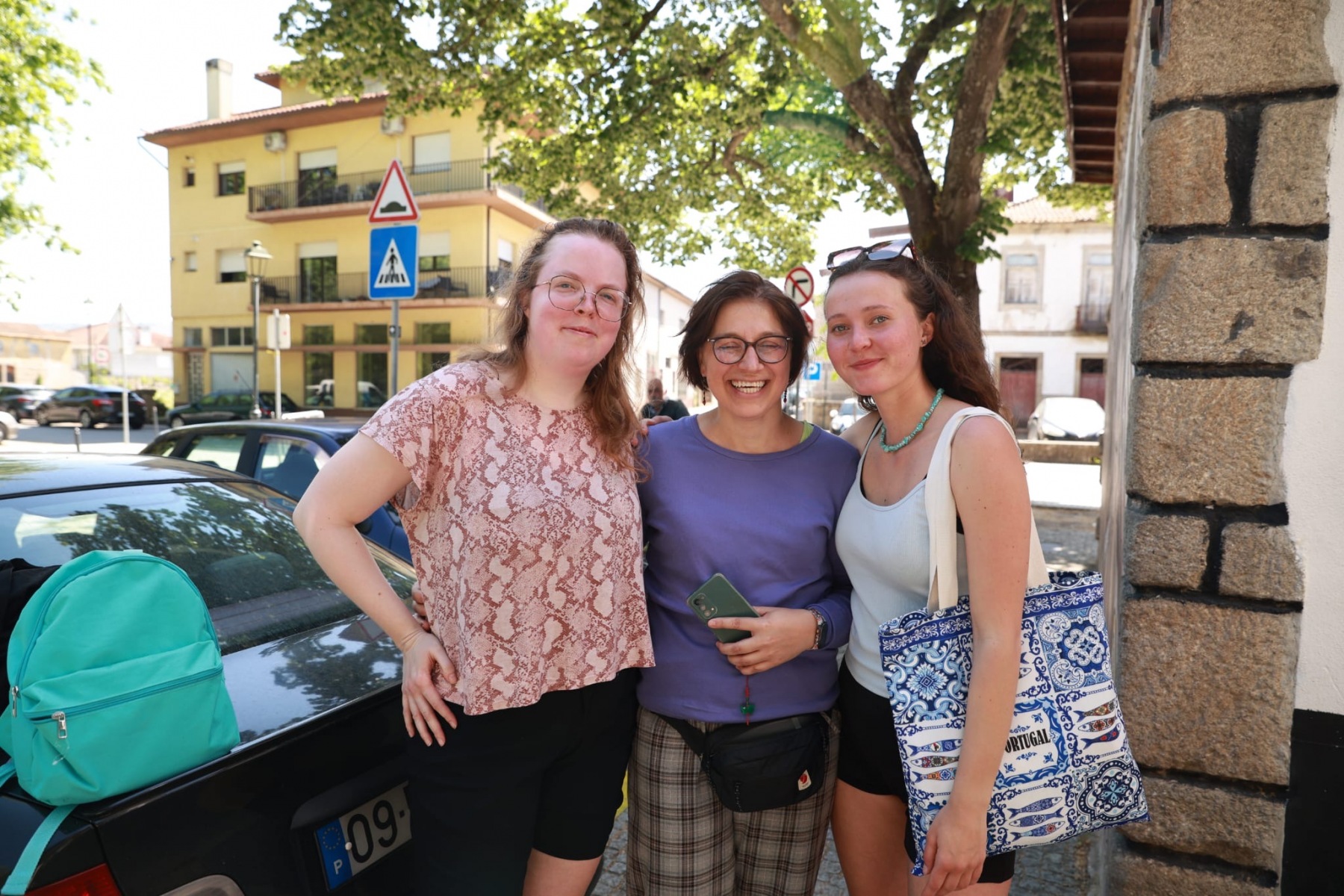
The project also allowed us to meet local young people and learn how youth in Portugal approach topics such as the environment, community and civic engagement. Although we did not manage to build organisational partnerships as strong as we had originally hoped, we are taking away new contacts, personal experiences and a better understanding of what similar projects can look like in practice.
The main lesson we took from the project is that high-quality partnerships in international projects do not emerge automatically just because people meet in the same place. Good preparation, clearly set expectations, appropriate participant selection and genuine motivation from organisations to cooperate even after the project ends are all essential. This is a valuable lesson for us in the future, especially when planning our own activities and choosing partners for future projects.
Even though the project did not fulfil all of its original aims in terms of networking and finding new partners, we still see our participation as beneficial. We met new people, gained experience with a different type of international activity, took part in practical environmental work and became more aware of what is needed for similar projects to have a real impact.
For us, the project was above all an experience that showed us not only examples of good practice, but also the limits of some international activities. That, however, is important for our future work. Thanks to this experience, we will be better prepared in the future to choose relevant partners, communicate expectations more clearly and create projects that bring concrete benefits to young people, local communities and the environment.
Petr P.