Erasmus+, Key action 1: training course(Thematic Awareness Training)
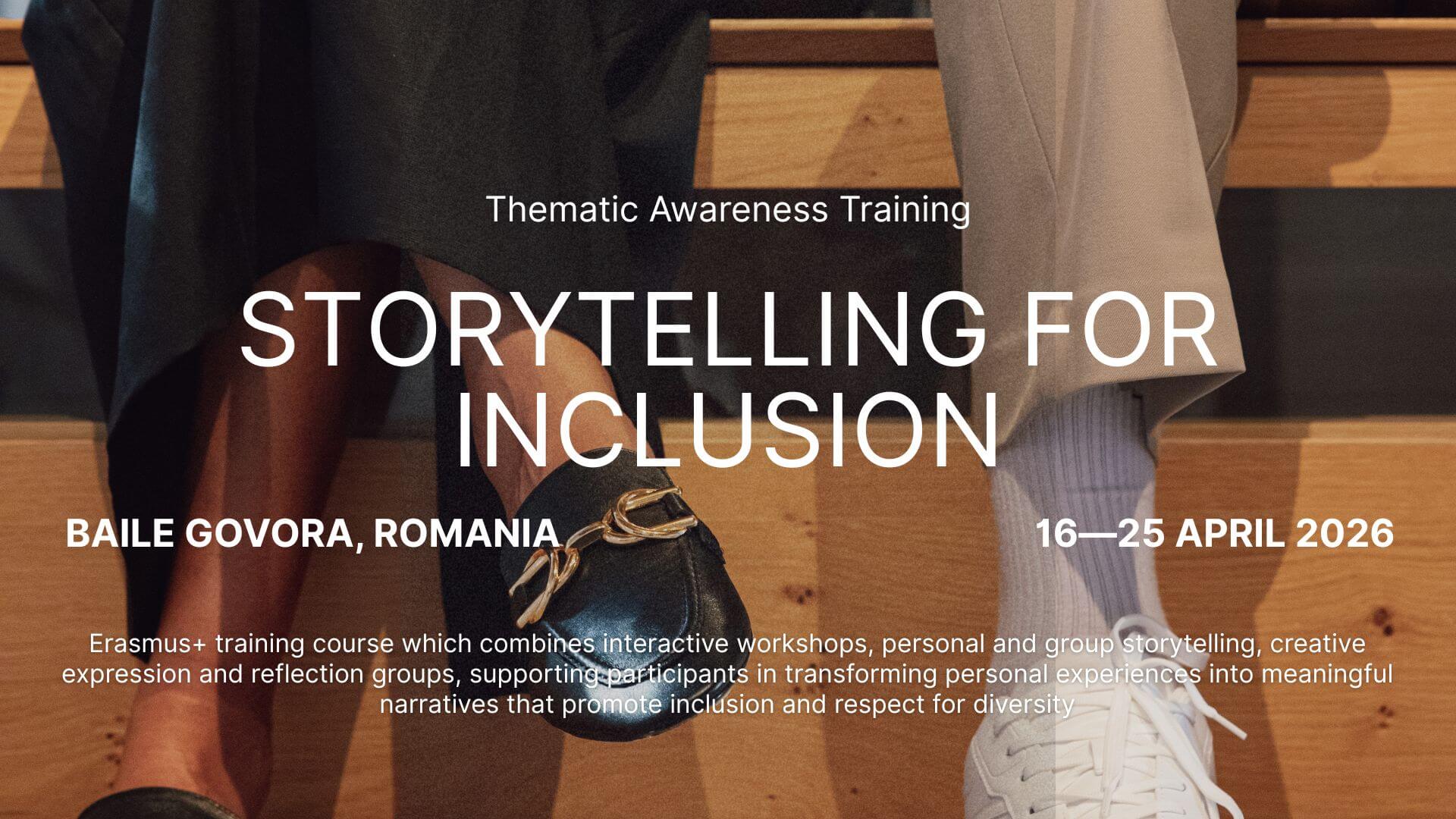
Dates: 16—25 April 2026
Venue: Baile Govora, region Valcea, Romania
Czech team: 3 participants
Please read the info-pack.
Hosting organisation: Asociatia Ofensiva Tinerilor
Project report:
It was a pleasure to be part of the Erasmus+ training for youth workers in Baile Govora (16th – 25th April). The journey itself is a story to be told. Since I wanted to travel green, I left Brno on 15th April to embark on my 27-hour-long bus ride. It indeed was a long journey, but everything went surprisingly smoothly and I must admit that observing big herds of sheep and cows and noticing how the landscape changes – especially around Southern Carpathians – was mesmerizing.
We stayed in Vila Chrizantema, which is known as a former vacation residence of Nicolae Ceauşescu. The three of us from the Czech Republic were accommodated in the main building and we were startled by the castle-like furniture.
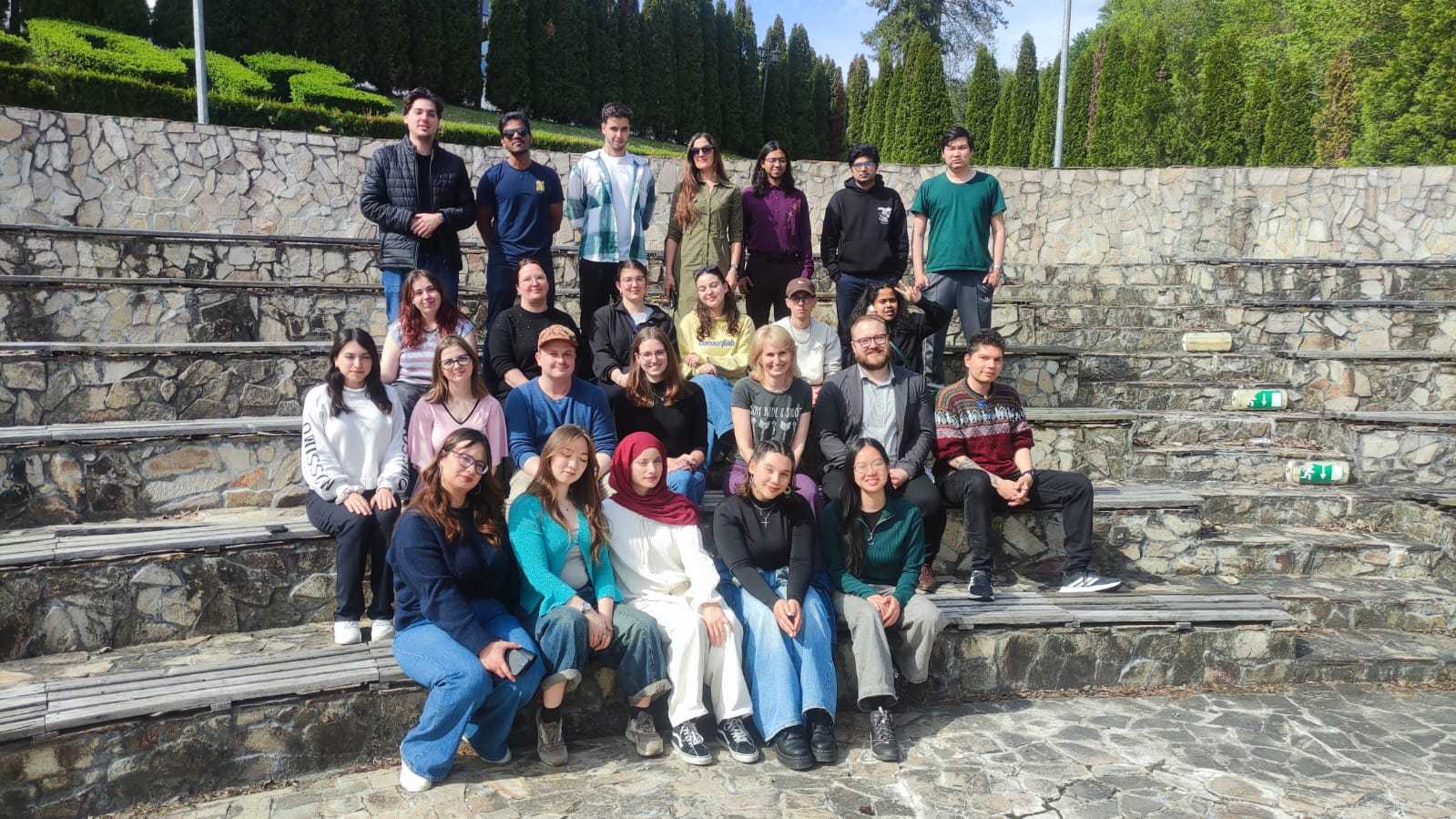
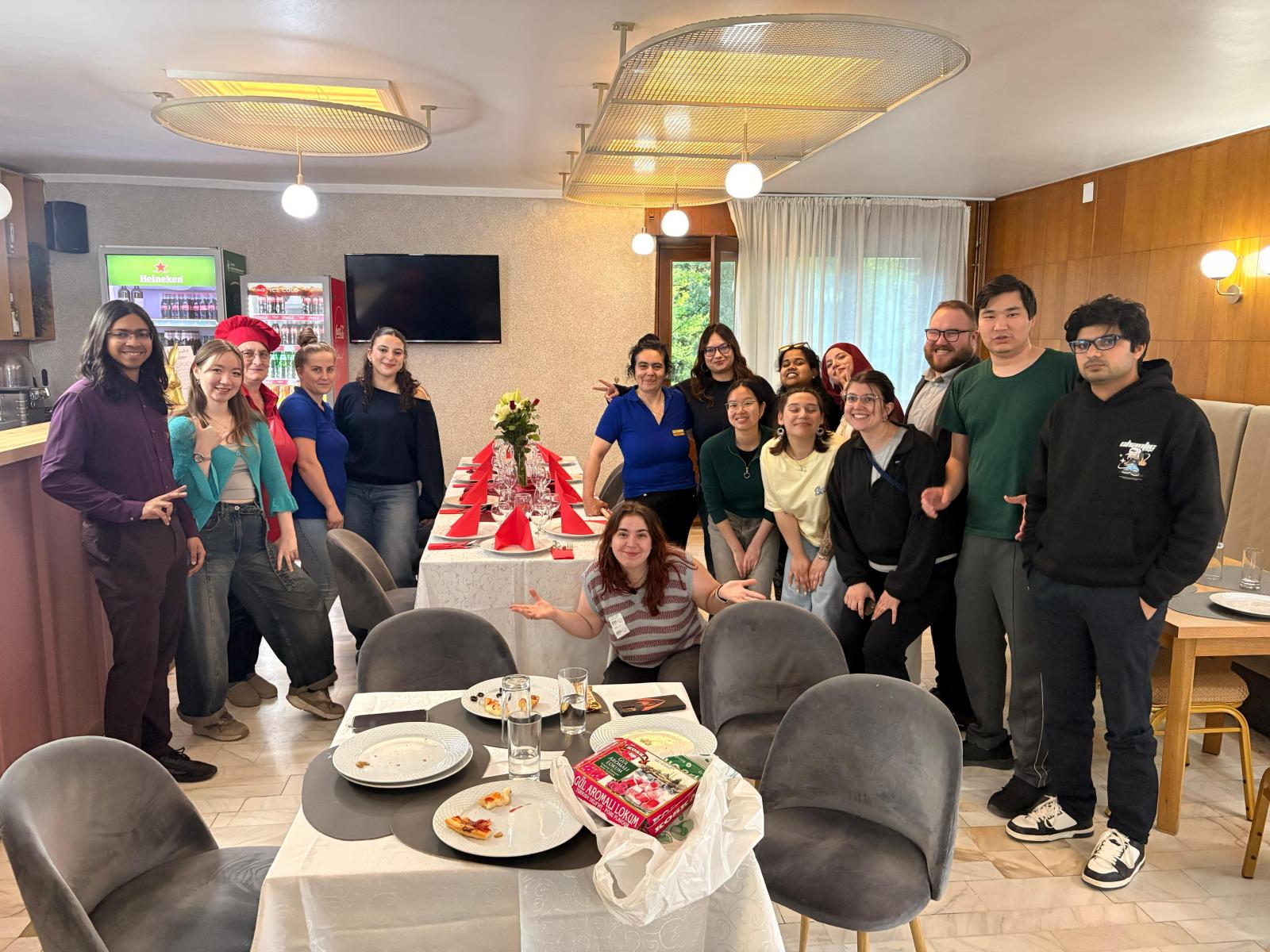
The organisations chose participants wisely. The group was very diverse; there were 30 participants from various countries. During the first day we did a lot of activities to got to know each other better and better and wrote down rules for the meetings and all the expectations and fears. This process helped to build a safe space, which was essential for the rest of the training. We also received a personal reflection diary for taking notes and writing personal reflections during the last meeting of each day.
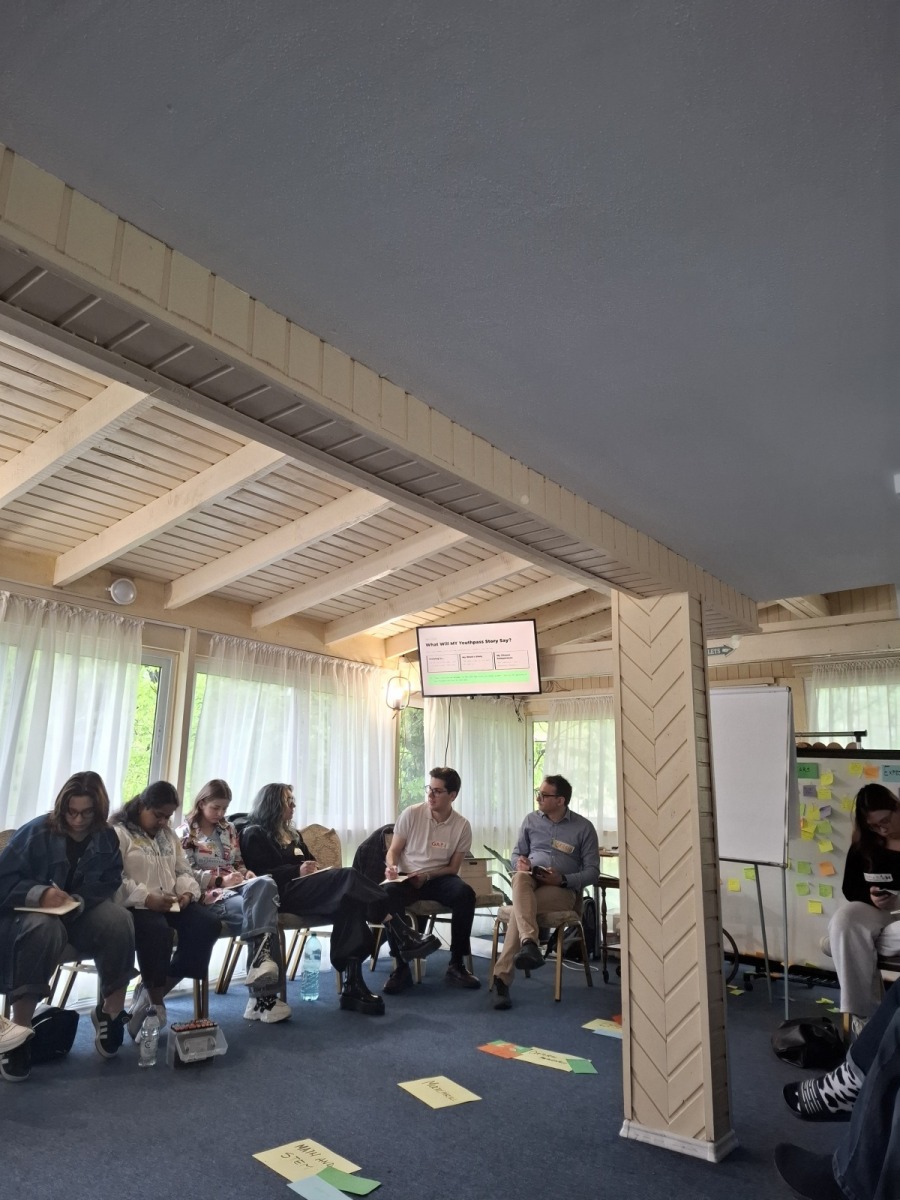
During the week, our lecturer and facilitator Sergiu did a great job balancing theory and practice. We learnt about the backgrounds of stereotypes and prejudices, discussed ethical storytelling, and noted differences between exclusion, integration and inclusion. After each theory block, there were mixed group exercises to live the experience and work with various personal, historical or cultural stories. We were asked to share our stories or analyse stories provided as materials. These included materials from inspiring historical figures as well as report of impact of youth projects from recent years. To name just one: case study of programme giving voice Roma communities and creating short videos that were screened in Romanian and Hungarian schools. The last two days the roles switched, and with guidelines given, each group prepared 30-45 minute programme for others to practise the skill of applying storytelling into one’s work with youth.
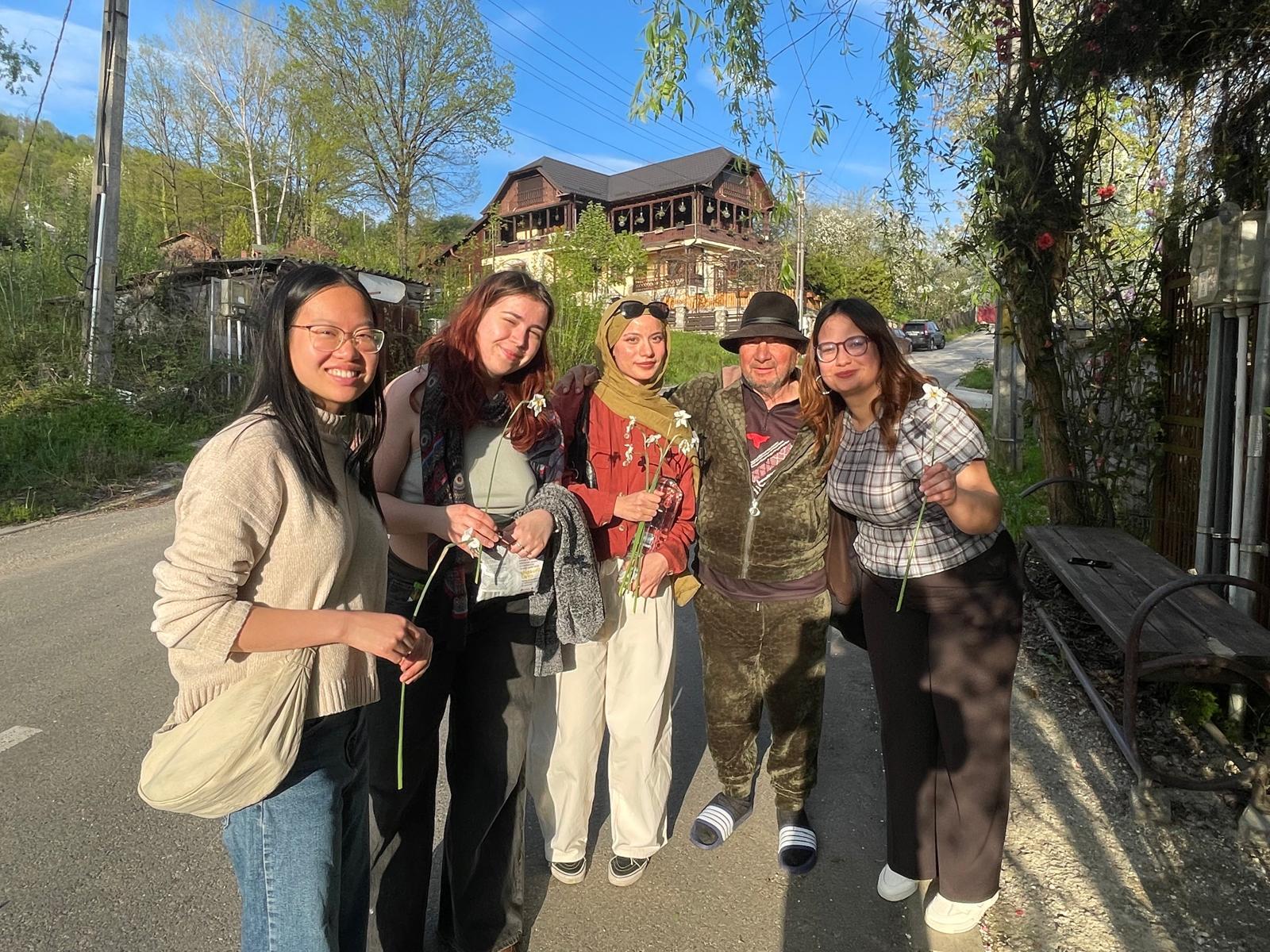
Considering everything said above, the project was really unique. Among the peaceful trees and chirping birds in Baile Govora, we created a microcosm of sharing stories, thoughts, ideas, and challenged stereotypes, ideologies and assumptions. I am now heading home (again by bus) full of things to think about, new friendships and useful activities and principles to use in my work.
Kristýna V.