Erasmus+, Klíčová Akce 1: training course
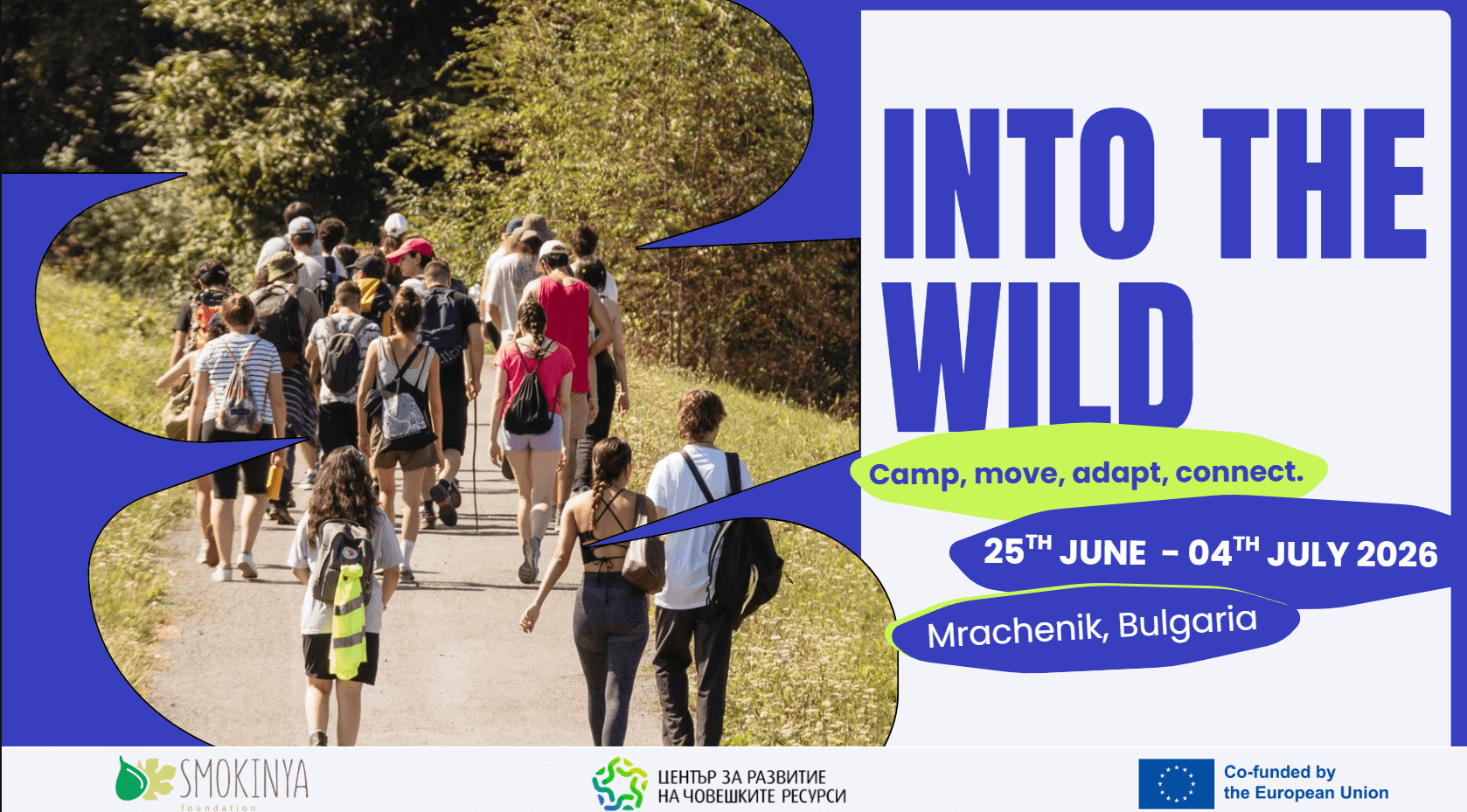
Dates: 25 June—4 July 2026
Venue: Mrachenik, Bulgaria
Czech team: 2 paticipants
Hosting orgaisation: Smokinya Foundation
Project report:
Into the Wild – Bulgaria
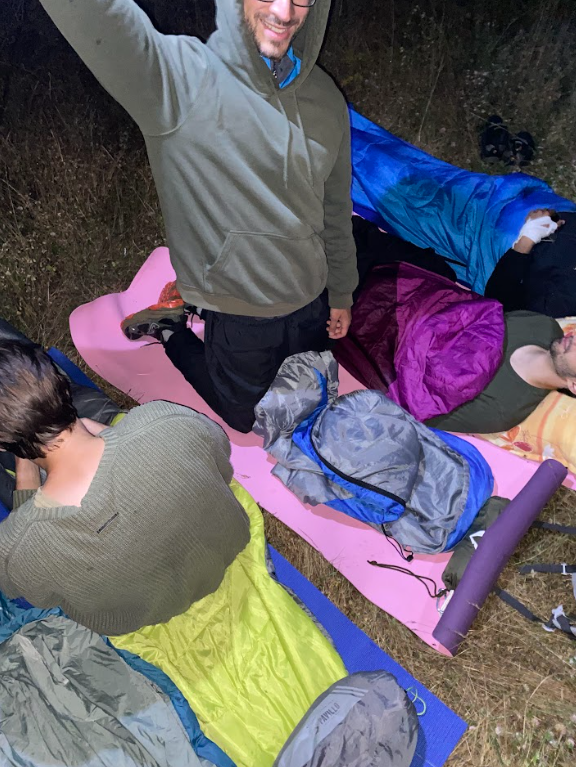
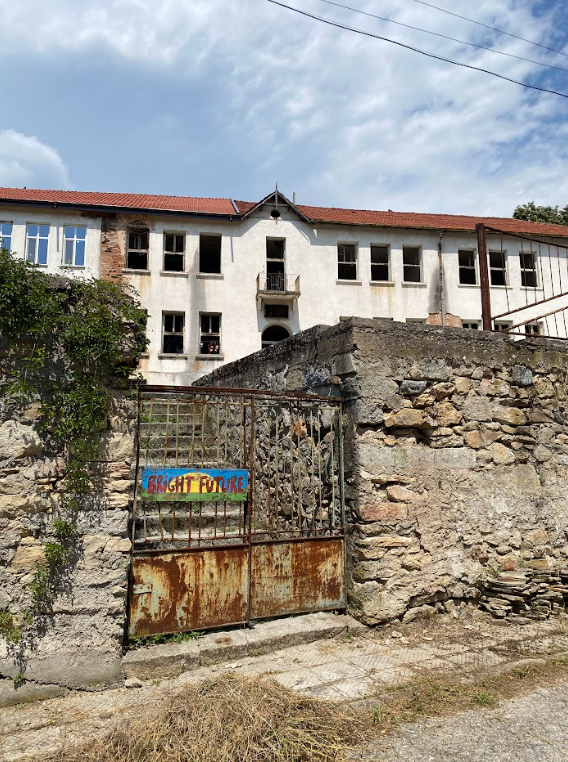
The Erasmus+ youth exchange Into the Wild took place in Mrachenik, Bulgaria. The project brought together young people from different countries and focused on learning through nature, outdoor activities, and living together in a simple environment.
The main goals of the project were to step out of our comfort zones, improve teamwork, build resilience, and practice communication skills. These goals were reached through a programme made of outdoor challenges, group tasks, discussions, and daily life shared in nature.
At the beginning of the project, we took part in a digital detox and did not use mobile phones for a few days. This helped us focus more on people around us, communicate more directly, and be more present in everyday activities. It also helped the group connect faster.
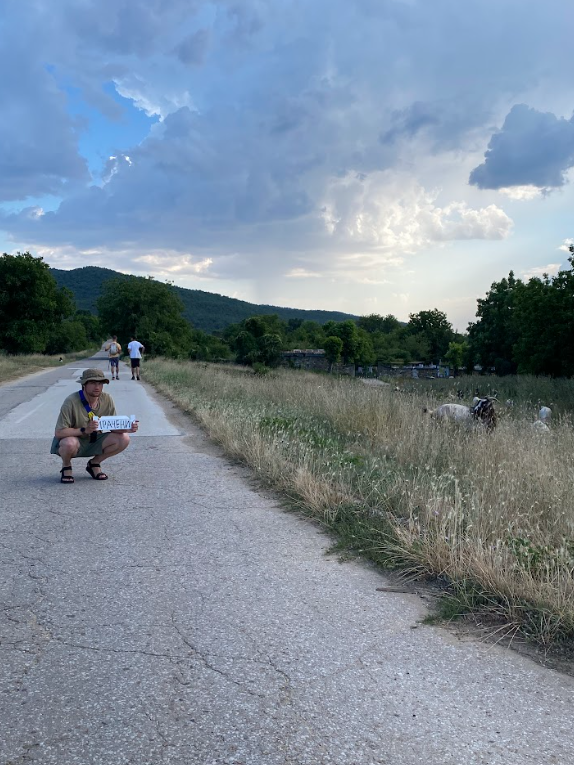
One of the biggest challenges was a 46-kilometre hike. It was physically demanding and required endurance, teamwork, and constant support between participants. During the hike, we had to motivate each other and solve small problems together, which helped us improve cooperation and trust in the group.
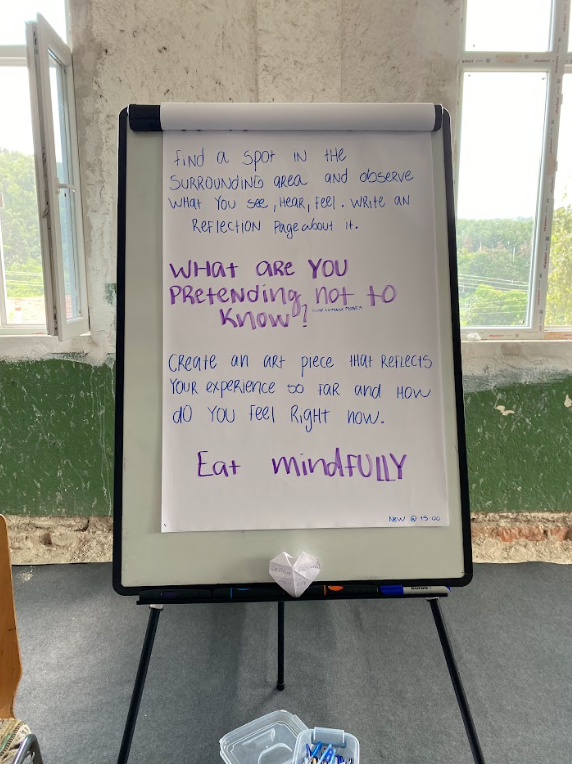
We also joined group activities and discussions where we talked about topics like communication, problem-solving, and personal limits. These sessions helped us reflect on how we behave in a group and how we react in difficult situations. Living together with people from different countries also helped us understand other cultures better and learn how to work with people who think differently.
In the end, the project met its goals. We improved teamwork, communication, and resilience, and we gained experience in working and living in an international group in an outdoor setting. Many of us also learned that we can handle more than we expect when we are challenged in a new environment.
Ivana