ERASMUS+, Key action 1: training course
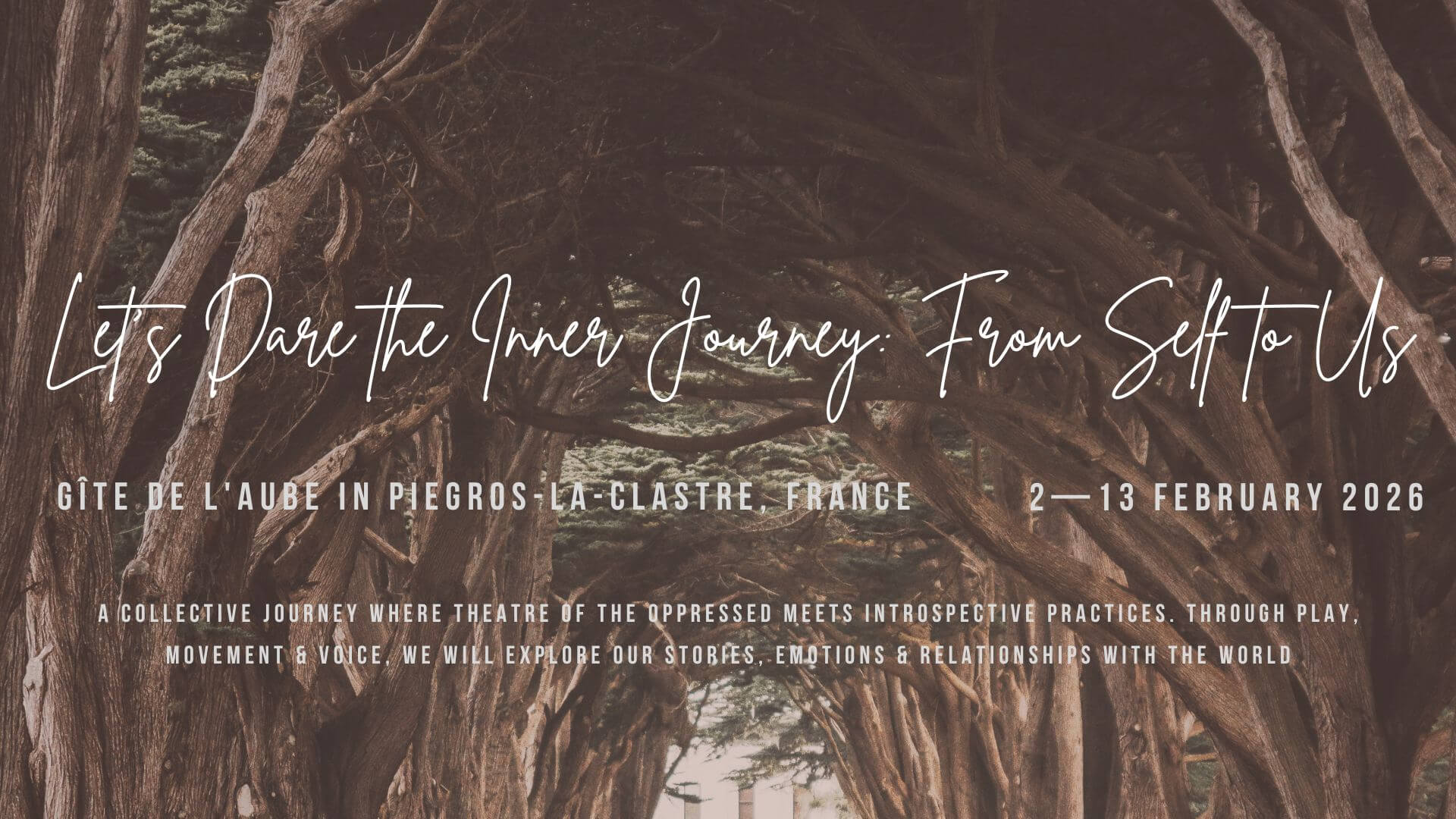
Dates: 2—13 February 2026
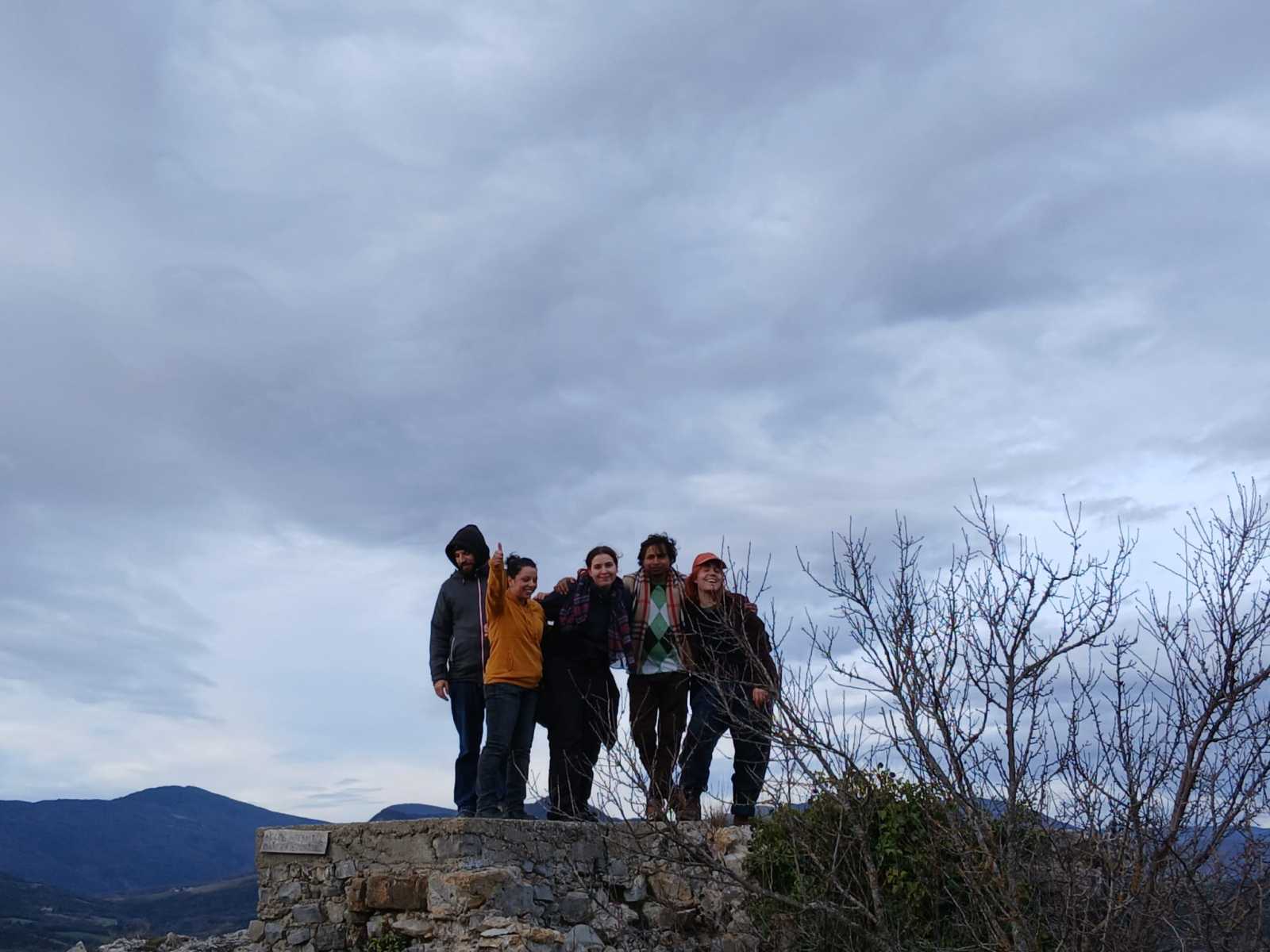
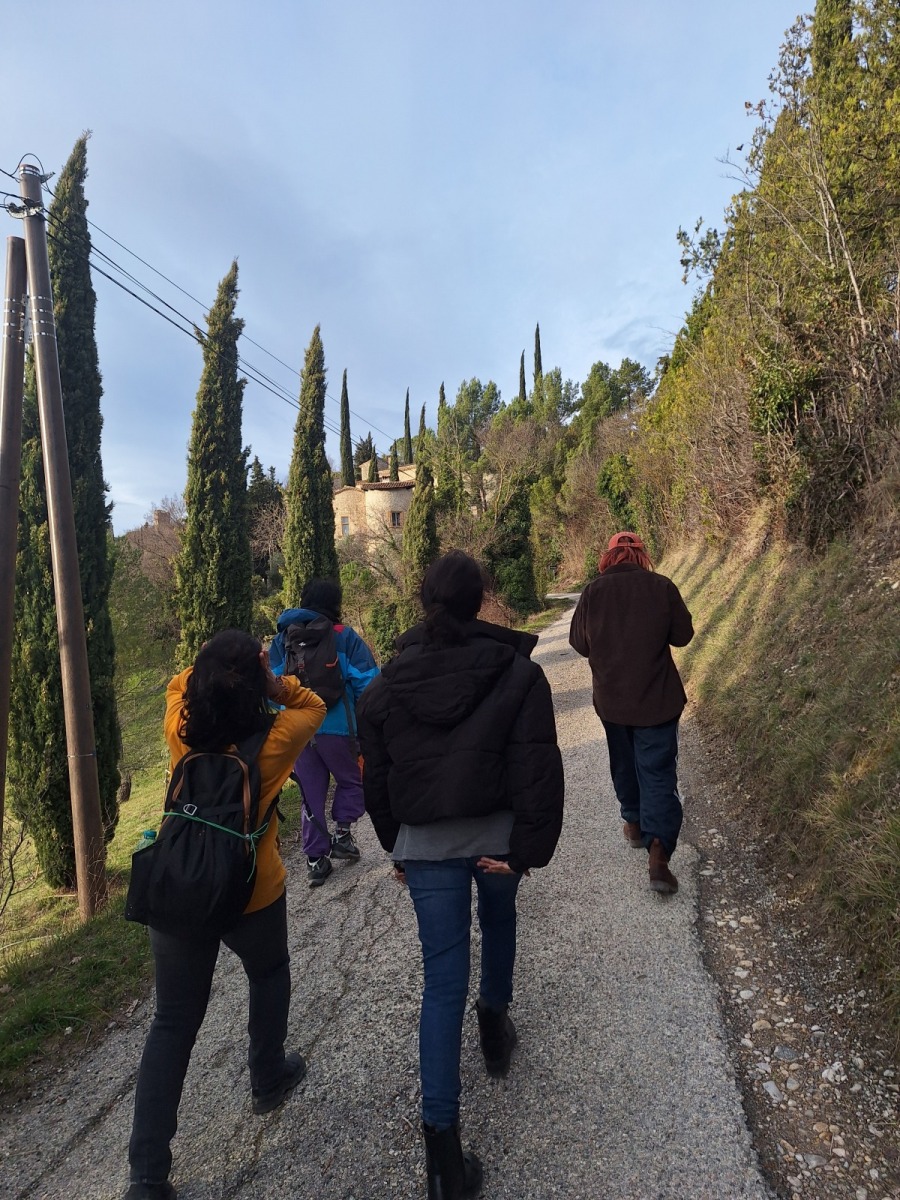
Venue: Gîte de l’Aube (Piegros-la-Clastre), region Drôme, France
Czech team: 4 participants
Please read the info-pack.
Hosting organisation: La Rapugada
Project report:
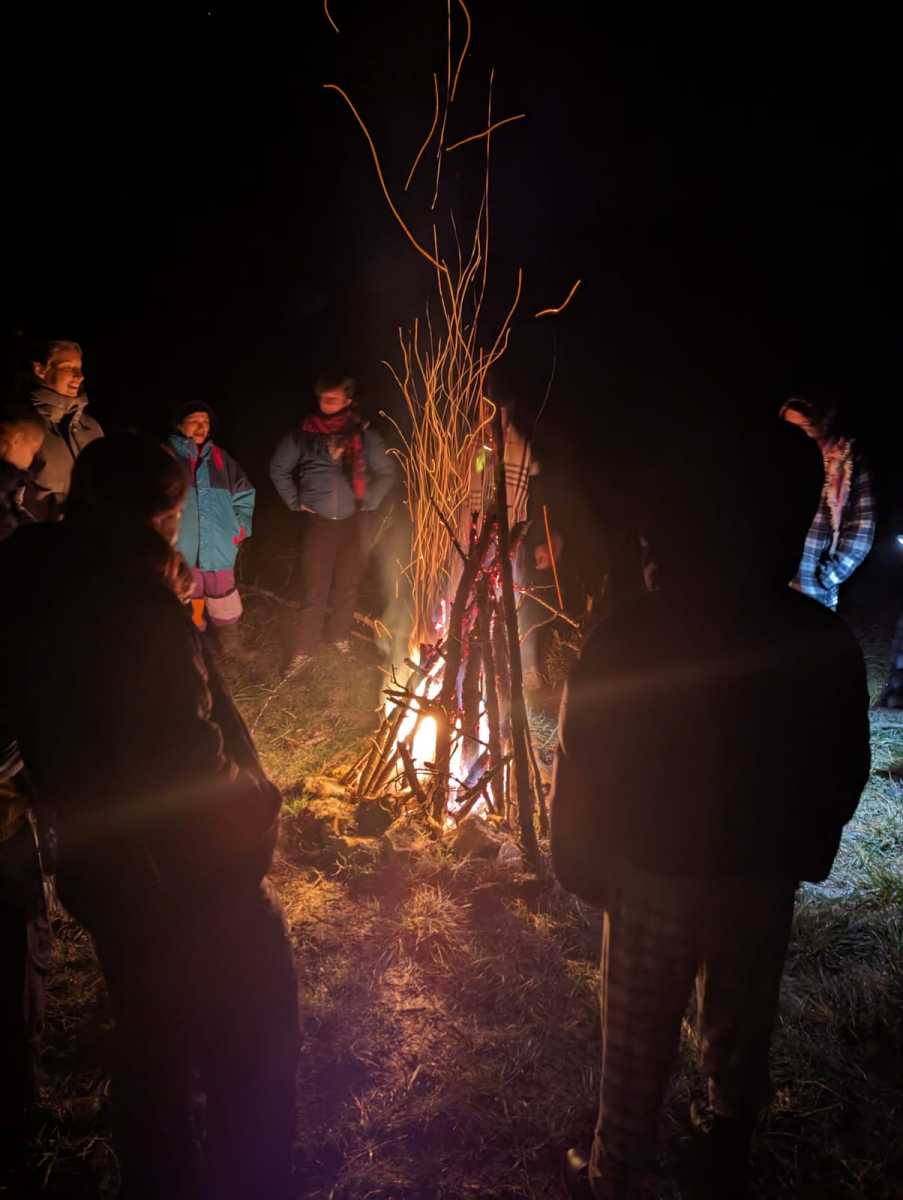
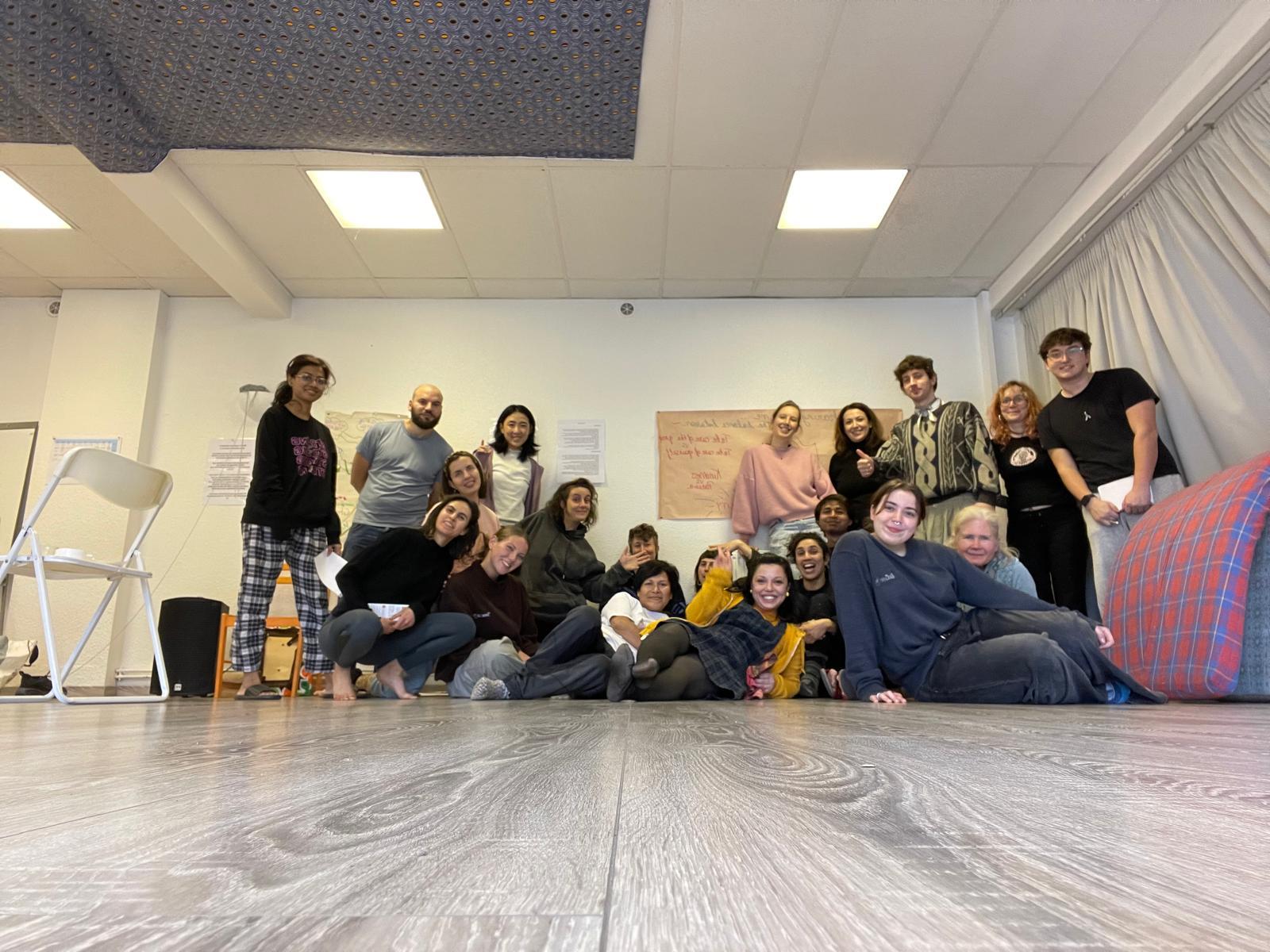
Project report EN: In February 2026, youth workers and educators from seven European countries gathered in Piégros-la-Clastre, France, to participate in the Erasmus+ training course Let’s Dare the Inner Journey: From Self to Us. The project focused on Theatre of the Oppressed as a tool for exploring social dynamics, power relations, and mechanisms of oppression in both personal and societal contexts.
The training combined introspective theatre methods with non-formal education approaches. Through daily warm-ups, movement exercises, and experiential workshops, participants explored relationship dynamics from the perspective of power, dominance, vulnerability, and resistance. Particular attention was given to topics such as harassment, social pressure, and ways of standing up for oneself or supporting others in situations of injustice.
A central part of the programme was dedicated to Forum Theatre and joker training. Participants learned how to facilitate participatory theatre processes and how to guide collective dialogue through the role of the joker, who mediates between performers and audience. The methodology encouraged critical reflection, active participation, and shared responsibility within the group.
The main outcome of the training was the creation of original Theatre of the Oppressed performances based on participants’ real-life experiences. Working collaboratively, participants developed and presented forum theatre scenes addressing situations of oppression and conflict. They also took turns facilitating the performances themselves, gaining practical experience in leading interactive theatre processes.
Beyond artistic practice, the project created a strong intercultural learning environment. Living and working together allowed participants to exchange perspectives, challenge assumptions, and build meaningful connections across cultural backgrounds.
Participants returned home with new facilitation skills, practical tools for working with young people through participatory theatre, and a deeper understanding of how personal experiences are connected to wider social structures. The training strengthened confidence in addressing difficult social topics through creative methods and highlighted the potential of theatre as a space for dialogue, empowerment, and social change.
Vojtěch M.