Erasmus+, Klíčová Akce 1: tréninkový kurz
Termín konání: 15.—23. duben 2026
Místo konání: Sfântu Gheorghe, Rumunsko
Český tým: 4 účastníci (ve věku 18+)
Před tím, než se přihlásíte na jakýkoliv náš projekt, důkladně si přečtěte všechny informace v sekci Chci vyjet na projekt a seznamte se s Pravidly účasti na zahr. projektech.
Pokud máte zájem se na tento projekt přihlásit, prosím důkladně si přečtete info-pack. Pokud máte zájem se na tento projekt přihlásit jako náhradníci, prosím odešlete vyplněnou přihlášku co nejdříve.
Pro to, abyste se na tento projekt přihlásili je nutné, abyste vlastnili nejen občanský průkaz (který musíte mít ze zákona), ale také platný cestovní pas (s platností min. ještě 150 dní od datumu začátku vámi vybraného projektu).
V rámci programu ERASMUS+ jsou následující finanční specifika: v rámci všech projektů je kompletně (ze 100%) zajištěno jídlo, ubytování, aktivity, a to vše je zcela pokryto z fondů EU programu ERASMUS+ a zařízeno organizátory. Účastníkům dále budou proplaceny cestovní náklady (reimbursement) z místa bydliště do místa konání projektu a to max. do výše €309/účastník.
Hostitelská organizace: Youth Media Association
Popis projektu:
Aim of this training course:
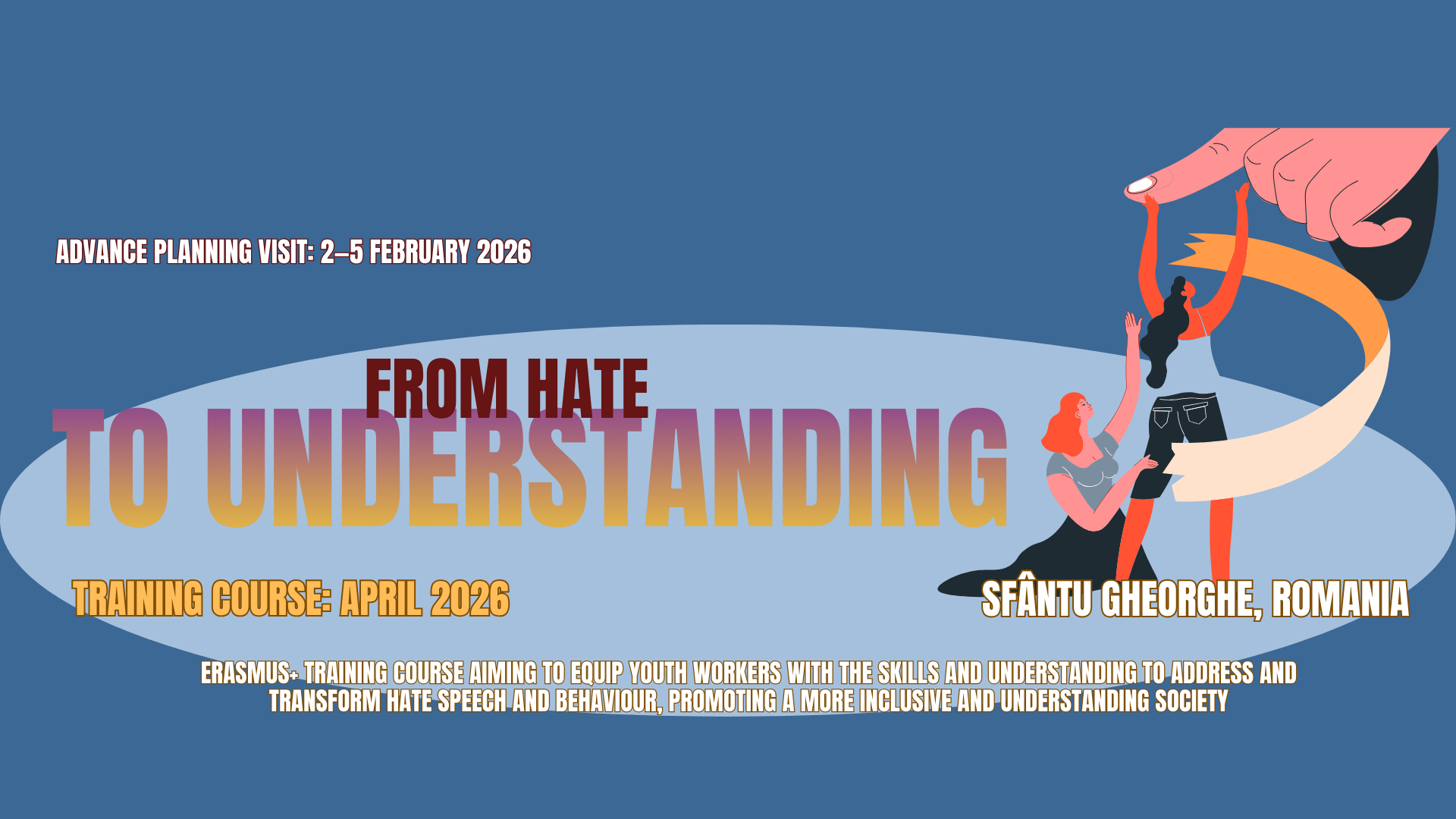
This project addresses the critical issue of hate speech and behavior among young people, especially in culturally diverse groups. The project aims to improve the skills and methods of youth professionals to facilitate the transformation of hate speech in youth environments, focusing on culturally diverse groups such as minorities, Roma, refugees and migrants. This initiative aims to equip youth workers with the skills and understanding to address and transform hate speech and behaviour, promoting a more inclusive and understanding society.
This project addresses the critical issue of hate speech and behaviour, especially in the context of working with young people. Through comprehensive local research involving face-to-face and online focus groups, youth surveys, and community meetings with youth professionals, the project gathered significant insights:
- A high percentage (75%) of young people have experienced hate speech and behaviour, often due to cultural differences.
- Bullying is widespread, with 30% of young people admitting to having participated in bullying their peers. The reasons for bullying are varied, including antipathy towards the person (7%) and discrimination based on gender, skin colour or nationality (3%).
- Many young people (20%) said they felt hurt by the words of their peers, with a significant proportion (30%) of bullying cases taking place online.
- There is a notable lack of understanding of what constitutes hate speech and behaviour, with 30% of young people admitting their ignorance in this regard.
- Youth professionals have also experienced hate speech and behaviour in their work, with 90% of them reporting such experiences. They express a strong need (70%) for new methods and tools to effectively address hate speech.
- In addition, 60% of youth professionals believe it is necessary to strengthen their skills in addressing hate speech and behaviour.
Objectives:
– Facilitate group responses to hate-related conflicts.
– Understand the reasons behind offensive language and its varied impact.
– Recognize and reflect on the impact of hate speech from multiple perspectives.
– Understand the escalation of hatred and the social structures that underlie privilege and discrimination.
– Engage critically with regard to the role of the media in shaping society’s opinions.
– To make the connection between behaviors and underlying feelings and needs.
– To use methods and tools of working with young people to challenge power and oppression.
Methodology:
The course will use a variety of participatory and creative methods, tailored to the needs and expectations of the participants. The training will be facilitated by an experienced team of trainers and will include activities such as individual and group work, drawings, montages, discussions, role-plays, board games, and more, all designed to promote experiential learning, cooperative learning, and outdoor activities. The theoretical background of the training will be based on resources like „The Council of Europe’s ‚No Hate Speech Movement Campaign‘,“ „We CAN! Acting against hate speech by countering and alternative narratives,“ the „Pyramid of Hate,“ „Definition of intersectionality,“ „Nature of Privileges and Oppression,“ and the „Education pack Ideas, resources, methods and activities for informal intercultural education with young people and adults published by the Council of Europe,“ among others.
ABOUT THE TRAINING COURSE
The “From Hate To Understanding” training course will involve 40 participants who are active in youth work, members, employees, or volunteers of the partner organizations. Participants must be over 18 years old, be fluent in English, and commit to participating in all learning activities. Gender balance will be encouraged, and in each national group, there will be at least one participant with fewer opportunities.
Who can participate/participants‘ profile:
We are looking for youth workers, educators, or active volunteers who:
- Are passionate about working with young people on topics like combating hate speech, fostering understanding in diverse groups, and developing inclusive youth spaces.
- Have some experience in youth work or facilitation (formal or non-formal);
- Are 18+ and comfortable communicating in English;
- Are ready to take part in all sessions and bring the learning back to their local context.
- Each partner organization will select 4 participants who are committed to engaging both during and after the training.