Erasmus+, Klíčová Akce 1: tréninkový kurz
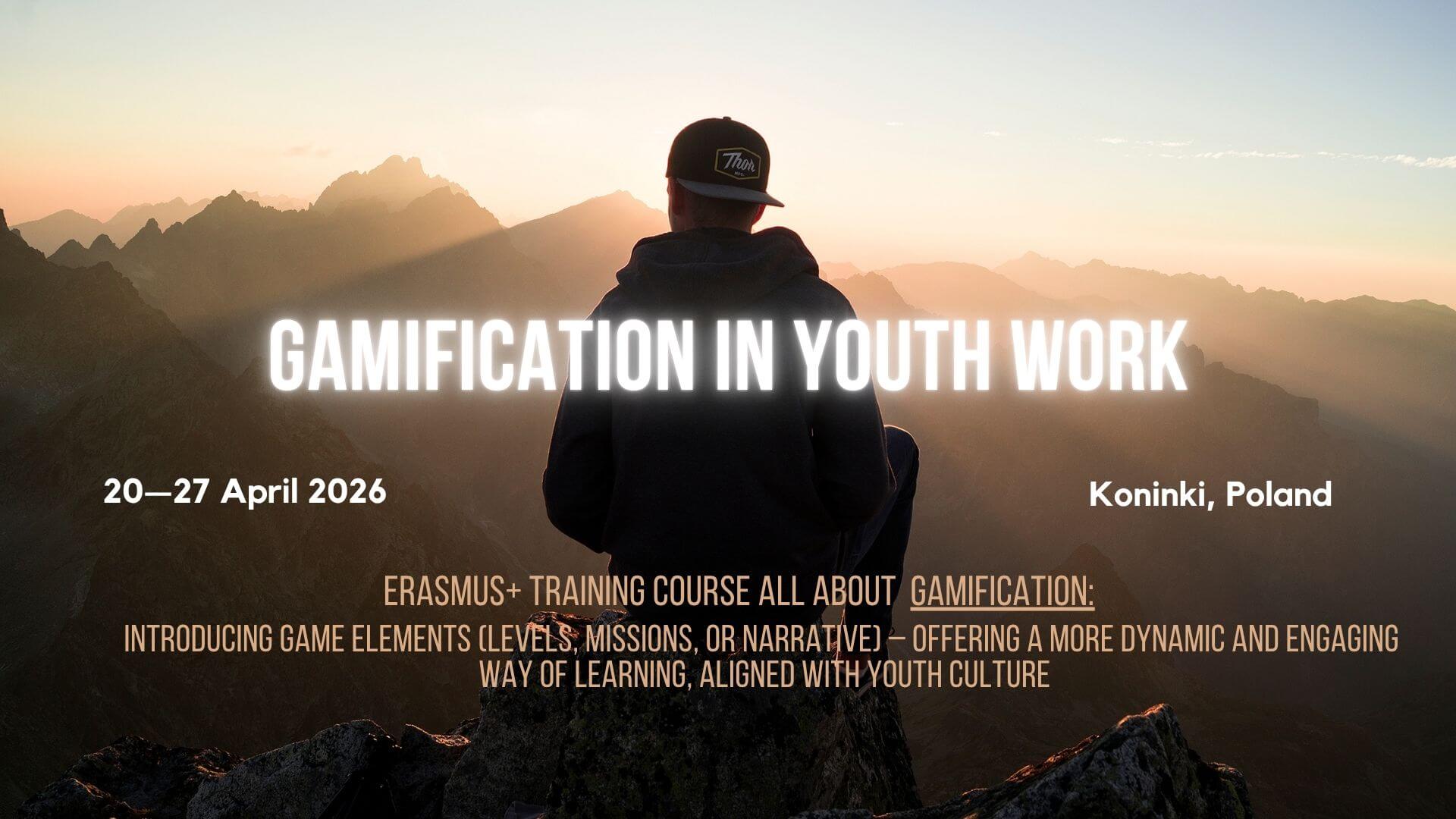
Termín konání: 20.—27. duben 2026
Místo konání: Koninki, Polsko
Český tým: 5 účastníků (ve věku 18+)
Před tím, než se přihlásíte na jakýkoliv náš projekt, důkladně si přečtěte všechny informace v sekci Chci vyjet na projekt a seznamte se s Pravidly účasti na zahr. projektech.
Prosím důkladně si přečtete info-pack. Pokud máte zájem se na tento projekt přihlásit, prosím odešlete vyplněnou přihlášku co nejdříve.
Pro to, abyste se na tento projekt přihlásili je nutné, abyste vlastnili nejen občanský průkaz (který musíte mít ze zákona), ale také platný cestovní pas (s platností min. ještě 150 dní od datumu začátku vámi vybraného projektu).
V rámci programu ERASMUS+ jsou následující finanční specifika: v rámci všech projektů je kompletně (ze 100%) zajištěno jídlo, ubytování, aktivity, a to vše je zcela pokryto z fondů EU programu ERASMUS+ a zařízeno organizátory. Účastníkům dále budou proplaceny cestovní náklady (reimbursement) z místa bydliště do místa konání projektu a to max. do výše €285/účastník. Pro český tým je možná jen a pouze pozemní doprava (= autobusy, vlaky).
Hostitelská organizace: Fundacja SALAMANDRA
Popis projektu:
The project “Gamification in Youth Work” was created in response to the need for more engaging and modern methods in youth work. In daily practice we observe that traditional forms of non-formal education are not always attractive enough to keep the attention of young people who have grown up in a world of games and digital interaction. One of the biggest challenges mentioned by youth workers across Europe is the decline of motivation and long-term engagement. Gamification – introducing game elements such as points, levels, missions, or narrative – offers the possibility to design learning processes that are more dynamic and aligned with youth culture.
The aim of the project is to develop the competences of youth workers in designing and applying gamification tools in their daily work. During the training, participants will learn practical ways of creating educational games and gamified activities, how to connect them with educational and inclusion goals, and how to apply them in an ethical and responsible way. An important objective is also to reflect on how gamification influences motivation, cooperation, and young people’s sense of agency, including those with fewer opportunities.
The project addresses two key needs: on the one hand, it strengthens youth workers by equipping them with innovative tools; on the other, it responds to the expectations of young people who want to learn in an interactive, practical, and interest-based way. In this way, the project will increase the quality and attractiveness of youth work and will deliver lasting outputs – the Gamification Toolkit for Youth Work, facilitator cards, and an online micro-course – which will continue to support the sector after the mobility ends.
Activities
As part of the “Gamification in Youth Work” project, a 8-day training course in Poland will be organised for 28 youth workers. Participants will include non-formal educators, trainers, cultural animators, streetworkers, leaders, and volunteers actively involved in youth work. Their profile combines previous experience with a search for new, engaging methods and readiness to apply gamification in their local practice. An important selection criterion will be motivation to implement innovative approaches and openness to working in an intercultural environment.
Impact
The “Gamification in Youth Work” project will have a multidimensional impact on participants, young people, organisations, and the wider youth work sector. For the 28 youth workers taking part in the training, it will mean developing competences in designing educational games and applying gamification elements in their daily practice. They will gain confidence in using innovative tools and become ambassadors of this approach within their local communities. The project will provide an educational experience in an attractive, interactive form that reflects their interests and is close to their digital culture. The expected outcomes include increased motivation, engagement, teamwork skills, and a stronger sense of agency, especially among young people with fewer opportunities