Erasmus+, Klíčová Akce 1: výměna mládeže
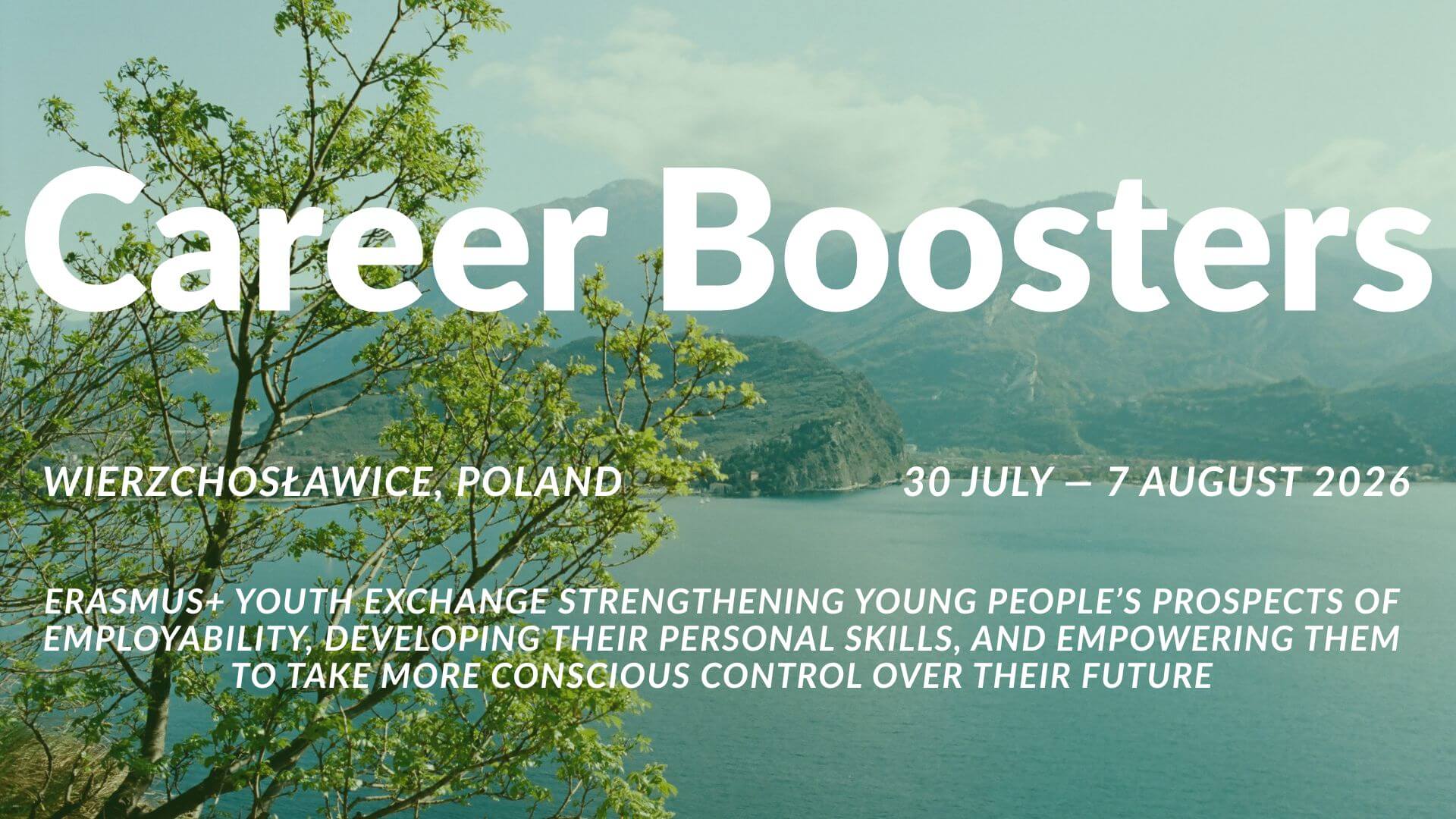
Termín konání: 30. červenec—7. srpen 2026
Místo konání: Wierzchosławice, Polsko
Český tým: 7 účastníků (ve věku 18-25 let) + 1 group leader (ve věku 18+)
Před tím, než se přihlásíte na jakýkoliv náš projekt, důkladně si přečtěte všechny informace v sekci Chci vyjet na projekt a seznamte se s Pravidly účasti na zahr. projektech.
Prosím důkladně si přečtete info-pack. Pokud máte zájem se na tento projekt přihlásit jako náhradníci, prosím odešlete vyplněnou přihlášku co nejdříve.
Pro to, abyste se na tento projekt přihlásili je nutné, abyste vlastnili nejen občanský průkaz (který musíte mít ze zákona), ale také platný cestovní pas (s platností min. ještě 150 dní od datumu začátku vámi vybraného projektu).
V rámci programu ERASMUS+ jsou následující finanční specifika: v rámci všech projektů je kompletně (ze 100%) zajištěno jídlo, ubytování, aktivity, a to vše je zcela pokryto z fondů EU programu ERASMUS+ a zařízeno organizátory. Účastníkům dále budou proplaceny cestovní náklady (reimbursement) z místa bydliště do místa konání projektu a to max. do výše €211/účastník. Pro český tým je možná jen a pouze pozemní doprava (= autobusy, vlaky).
Hostitelská organizace: Fundacja Ornament
Popis projektu:
Employability and personal skills development refer to the process of helping young people strengthen the competences, attitudes, and confidence needed to enter the labour market and shape their future career paths. In the context of Career Boosters, this means supporting participants in identifying their strengths, improving communication, teamwork, problem-solving, and self-presentation skills, and becoming better prepared for educational, professional, and personal opportunities.
The project focuses on supporting young people who want to strengthen their employability, develop personal skills, and take more conscious control over their future. Entering adulthood involves many challenges and important transitions, including choosing an educational path, preparing for the labour market, gaining first work experience, becoming more independent, and
building confidence in personal and professional situations. Many young people face uncertainty about their future due to rapid technological change, globalization, socio-economic challenges, changing labour market expectations, and the growing need for adaptability, communication, creativity, and problem-solving skills.
As part of the Career Boosters youth exchange, participants will work together to better understand the challenges connected with entering the labour market and building a future career path. The exchange will support them in developing practical tools, personal strategies, and key competences useful in education, work, and everyday life. Through non-formal learning activities, participants will improve their self-awareness, teamwork, communication, initiative, and self-presentation skills.
How does our project work?
Our project is a youth exchange implemented under Erasmus+ accreditation, which ensures high standards of activities as well as appropriate financial and substantive support. Its main goal is to prepare participants for the future realities of employability by developing social awareness, communication skills, and the ability to actively participate in professional and social life.
Project phases:
- Planning – we defined goals, formulated a detailed action plan and established a schedule. This is the stage in which, together with international partners, we refine the substantive concept and determine key organizational issues.
- Preparation – we recruit participants, share educational materials and introduce them to the project’s subject matter. During this time, young people learn the principles and methods of work, thanks to which they will be able to fully use the opportunities of the exchange.
- Implementation of activities – this is the main part of the exchange, during which participants engage in workshops, simulation games, discussions and other non-formal education activities. We focus on developing social competences, understanding cultural diversity and building attitudes that support active participation in public life.
- Follow-up activities – after the exchange, participants share their experiences in their local communities, run their own initiatives and stay in touch with people they met during the project. The organizers evaluate the results to continuously improve the quality of future projects and support young people in their further development.
Participants‘ profile:
- 18-25 years old,
- each national team will consist of 7 participants + 1 group leader. Each team will be gender balanced (= equal number of boys and girls in each team),
- priority will be given to participants with fewer opportunities,
- able to communicate in English
- interested in the topic
- willing to gain knowledge
Preparation and follow-up:
Preparation: The project aims to promote discussion and collective reflection on social issues that are particularly relevant to young people across Europe.
During the project you will be asked to share best practices on various civic participation actions from your country that can be transferred to participants‘ contexts. We will offer the participants specific tools/methods they can easily implement in their daily life to reduce their negative impact on the environment.
Follow-up: As part of the project, you will be encouraged to develop follow-up actions that can be implemented in your community after the project is over. These actions should be focused on issues that are important to young people, such participation, activisation of your peers, and should be designed to reach as much of them as possible and other young people in your society. You will also be encouraged to share your experiences and ideas with others through social media and other forms of dissemination.