Erasmus+, Klíčová Akce 1: tréninkový kurz
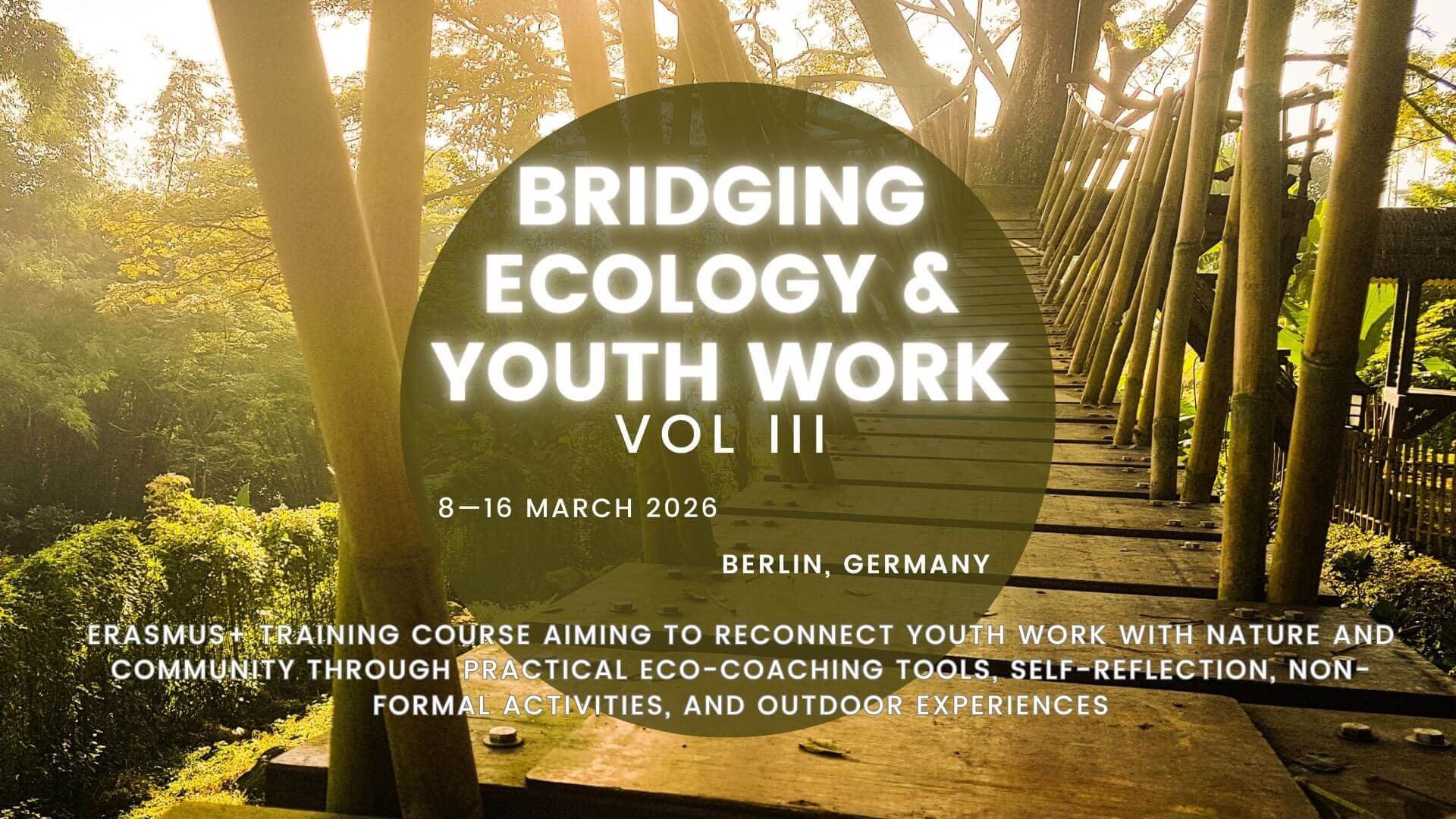
Termín konání: 8.—16. březen 2026
Místo konání: Berlín, Německo
Český tým: 3 účastníci (ve věku 18+)
Před tím, než se přihlásíte na jakýkoliv náš projekt, důkladně si přečtěte všechny informace v sekci Chci vyjet na projekt a seznamte se s Pravidly účasti na zahr. projektech.
Pokud máte zájem se na tento projekt přihlásit, prosím důkladně si přečtete info-pack. Pokud máte zájem se na tento projekt přihlásit jako náhradníci, prosím odešlete vyplněnou přihlášku co nejdříve.
Pro to, abyste se na tento projekt přihlásili je nutné, abyste vlastnili nejen občanský průkaz (který musíte mít ze zákona), ale také platný cestovní pas (s platností min. ještě 150 dní od datumu začátku vámi vybraného projektu).
V rámci programu ERASMUS+ jsou následující finanční specifika: v rámci všech projektů je kompletně (ze 100%) zajištěno jídlo, ubytování, aktivity, a to vše je zcela pokryto z fondů EU programu ERASMUS+ a zařízeno organizátory. Účastníkům dále budou proplaceny cestovní náklady (reimbursement) z místa bydliště v ČR do místa konání projektu ve výši max. €285/účastník. Prosím berte na vědomí, že u českého týmu je možná jen a pouze pozemní doprava (= pouze autobusy/vlaky)
Hostitelská organizace: KulturNetz e. V.
Popis projektu:
Ecopsychology, a branch of psychology established in the 1990s, believes that mental well-being and health can be achieved not only by working on the internal world of the individual but also by promoting healthy and constructive relationships with the environment and communities. This has led to the development of eco-coaching, also known as guiding, as a profession. The goal of this training course is to transfer the principles and tools of eco-coaching to youth workers who already provide learning and support activities through training, mentoring, facilitation, counseling, or therapy, in order to increase the impact of youth work by adopting inclusive, accessible, and resource-efficient practices that positively utilize natural spaces and engage with the young person’s community.
The main issue addressed is isolation, where individuals tend to have themselves at the center of their personal world and view everything else as objects to be used or disregarded. Eco-youth work proposes an approach where the concept of self is expanded to include the community and biosphere, recognizing that the well-being of the world is connected to our own well-being. Participants will learn to adopt these principles and gain concrete tools throughout the training course, starting with self-awareness exercises and participating in non-formal education activities. They will then develop action plans to implement these practices in their youth groups and communities.
The ultimate vision is to gradually introduce ecopsychology-based youth work activities to address the needs of community, belonging, and participation among young people, as well as addressing climate anxiety and strengthening the impact of youth work at local and European levels by promoting sustainable and ecological attitudes and values in young people.
Objectives:
● Give youth workers practical tools to work with climate anxiety and climate grief in an empowering way.
● Help youth workers include nature-based and eco-friendly approaches in their everyday work.
● Strengthen a sense of belonging and responsibility towards the natural world among young people.
Participants:
● 18+ (no upper age limit)
● Youth workers, volunteers, social workers, educators, trainers, mentors, and others working with young people