Erasmus+, Klíčová Akce 1: tréninkový kurz
Časová osa tohoto tréninkového kurzu:
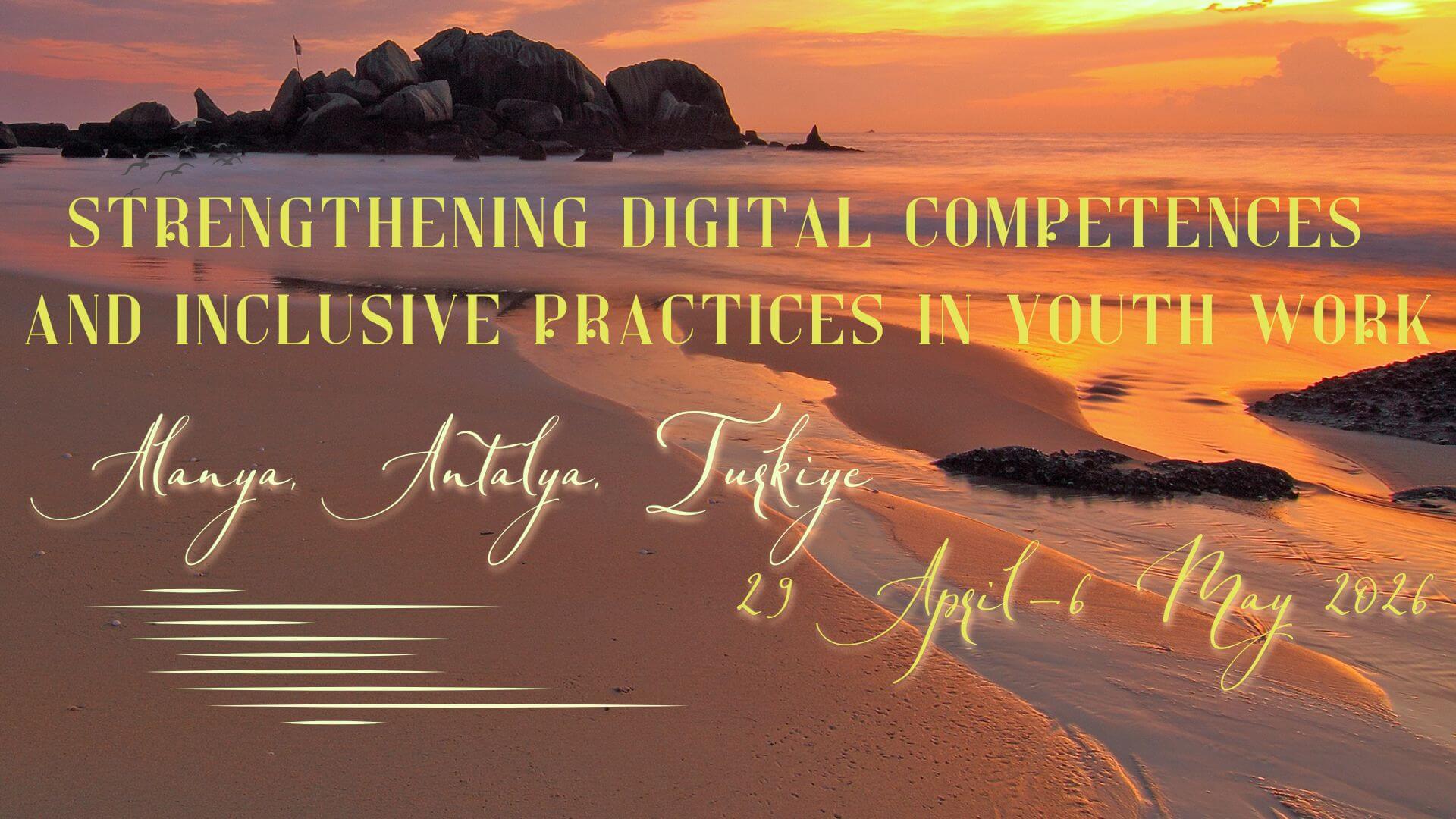
- Tréninkový kurz: 29. duben—6. květen 2026
- Zorganizování místních aktivit v ČR (ve své škole, kroužku, kruhu přátel, místní komunitě, volnočasovém středisku, atp. Aktivitu mohou účastníci zorganizovat společně jako celý český tým): v termínu do 1. července 2026
Místo konání: Alanya, Antalya, Turecko
Český tým: 4 účastníci – pracovníci s mládeží (ve věku 18+)
Před tím, než se přihlásíte na jakýkoliv náš projekt, důkladně si přečtěte všechny informace v sekci Chci vyjet na projekt a seznamte se s Pravidly účasti na zahr. projektech.
Pokud máte zájem se na tento projekt přihlásit, prosím důkladně si přečtete info-pack. Pokud máte zájem se na tento projekt přihlásit jako náhradníci, prosím odešlete vyplněnou přihlášku co nejdříve.
Pro to, abyste se na tento projekt přihlásili je nutné, abyste vlastnili nejen občanský průkaz (který musíte mít ze zákona), ale také platný cestovní pas (s platností min. ještě 150 dní od datumu začátku vámi vybraného projektu). Více o tomto přímo na stránkách Ministerstva zahraniční věcí zde.
V rámci programu ERASMUS+ jsou následující finanční specifika: v rámci všech projektů je kompletně (ze 100%) zajištěno jídlo, ubytování, aktivity, a to vše je zcela pokryto z fondů EU programu ERASMUS+ a zařízeno organizátory. Účastníkům dále budou proplaceny reálné cestovní náklady (reimbursement) z místa bydliště v ČR do místa konání projektu a zpět a to max. do výše €309/účastník.
Hostitelská organizace: Fundacja dla Migrantów Dobry Start (FDS)
Popis projektu:
This training course will bring together youth workers to strengthen their capacity to integrate digital tools, innovative pedagogical approaches, and inclusive practices into their daily youth work. In a rapidly evolving digital world, youth workers face increasing challenges in keeping up with new technologies while ensuring that all young people—including those with fewer opportunities—can benefit from digital learning environments. At the same time, digital spaces offer important opportunities for creativity, entrepreneurship, participation, and non-formal education if they are used in a conscious and inclusive way.
Through this mobility, participants will explore digital literacy, digital content creation, and innovative learning methods that can support youth engagement and entrepreneurial learning. The project will provide a collaborative space where youth workers can exchange experiences, develop practical competences, and discover new tools that enhance the quality and accessibility of youth work. Particular attention will be given to inclusion and diversity, ensuring that digital approaches can support equal participation and empower young people from different social, cultural, and economic backgrounds.
The project is aligned with Erasmus+ priorities related to digital transformation and inclusion in youth work. As a follow-up, participants and partner organisations will apply the methods and tools developed during the training in their local contexts by organizing workshops, digital learning activities, and community initiatives that promote digital competences, creativity, and inclusive participation among young people.
Objectives:
- Strengthen Digital Competences in Youth Work – Support youth workers in developing practical digital literacy skills and competences, enabling them to effectively use digital tools, platforms and technologies in non-formal education and youth work activities.
- Promote Innovative Pedagogical Practices – Introduce participants to creative and participatory digital learning methods that can enrich youth work, making learning processes more engaging, interactive and accessible for young people.
- Foster Inclusion and Diversity through Digital Tools – Equip youth workers with approaches and strategies to ensure that digital environments and activities remain inclusive, accessible and supportive for young people with fewer opportunities and diverse backgrounds.
- Encourage Entrepreneurial Learning and Creativity – Provide participants with tools and methodologies that promote entrepreneurial thinking, problem-solving and creativity among young people through digital content creation and innovative learning approaches.
- Build a Collaborative Network of Youth Workers – Create a strong international network of youth workers who can exchange experiences, share digital practices and collaborate on future initiatives that strengthen inclusive and innovative youth work across Europe.
Participants‘ profile/We are seeking for 4 participants from each country with the following profile:
- Engage in digital literacy and digital tools sessions, developing skills in using online platforms, collaborative tools, and digital resources for youth work and non-formal education.
- Take part in digital content creation activities (e.g., designing infographics, creating short videos, podcasts, or blog posts) to explore creative ways of engaging young people in digital environments.
- Contribute to workshops on innovative pedagogical practices, discovering how digital methods can make learning more interactive, participatory, and accessible.
- Participate in sessions focused on entrepreneurial learning, exploring how digital tools can support creativity, problem-solving, initiative, and project development among young people.
- Join activities addressing inclusion and diversity in digital youth work, reflecting on how digital spaces can be made accessible for young people with fewer opportunities.
- Share personal experiences and good practices from their organisations related to digital youth work, digital learning, and youth engagement.
- Participate in team-building and leadership activities, strengthening cooperation, communication, and intercultural understanding among participants.
- Engage in intercultural exchange activities, sharing perspectives on digital education, youth work practices, and opportunities for young people in their countries.
- Collaborate with peers from different countries to co-create digital tools, resources, or learning materials that can be used in youth work activities.
- Take part in reflection sessions to discuss learning progress, personal development, and how newly acquired digital competences can be applied in their local contexts.
- Participate in mid-term and final evaluation sessions to assess the learning process, share feedback, and reflect on the impact of the training course.