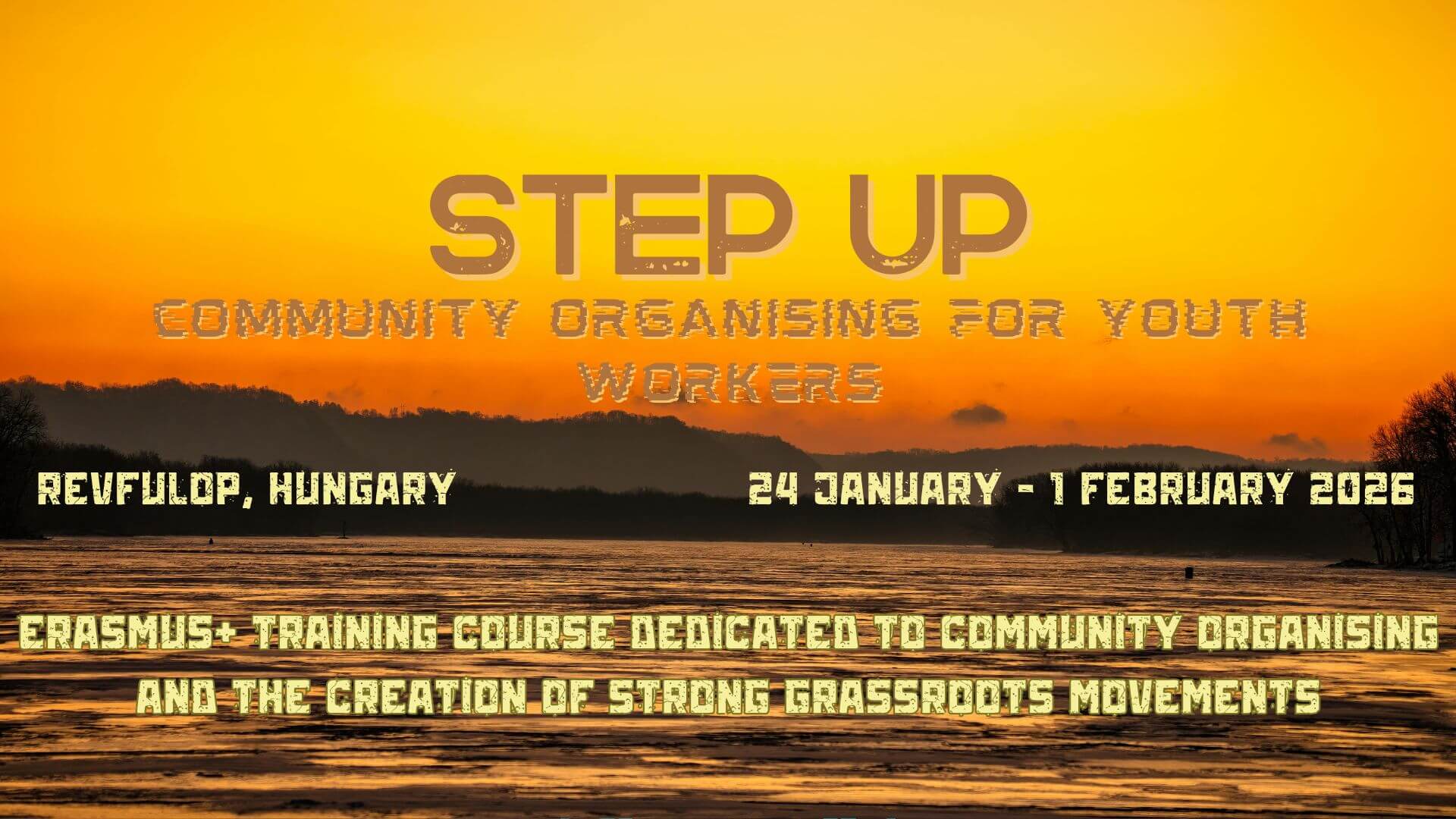
Erasmus+, Klíčová Akce 1: tréninkový kurz
Termín konání: 24. leden—1. únor 2026
Místo konání: Révfülöp (jezero Balaton), Maďarsko
Český tým: 5 účastníků (ve věku 18+)
Přečtete si info-pack.
Hostitelská organizace: MeOut Group
Report z projektu:
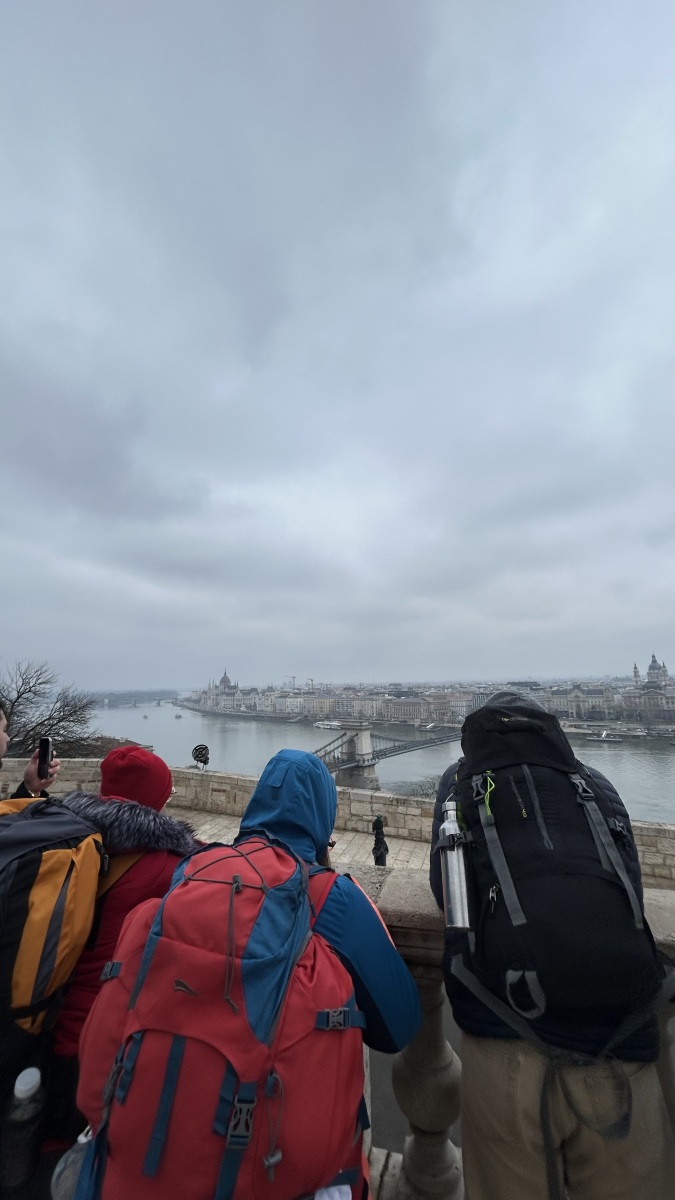
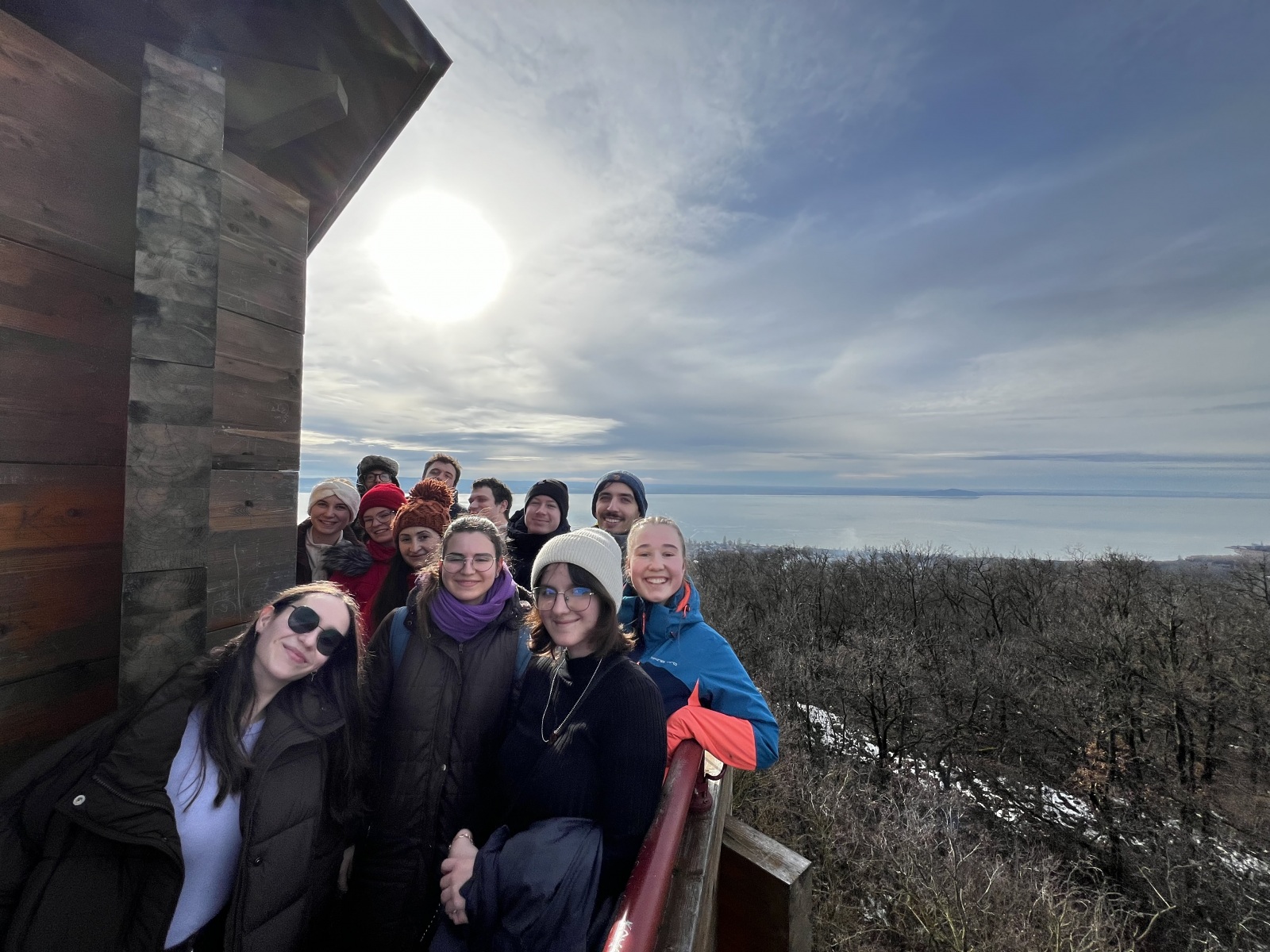
Šestice mladých lidí unavených po zkouškovém období se vydala prozkoumávat okolí Balatonu ve městě Révfülöp. Hned po příjezdu nás obklopila mlha a s dalšími účastníky projektu jsme se vydali na cestu směr hotel. Tam nás přivítaly veselé tváře organizátorů tréninkového kurzu Step Up: Community Organising for Youth Workers a útulný prostor hotelu. Unavení jsme vynesli naše zavazadla do pokojů a s prázdným žaludkem se vydali otestovat kvalitu maďarské kuchyně, nezklamala nás.
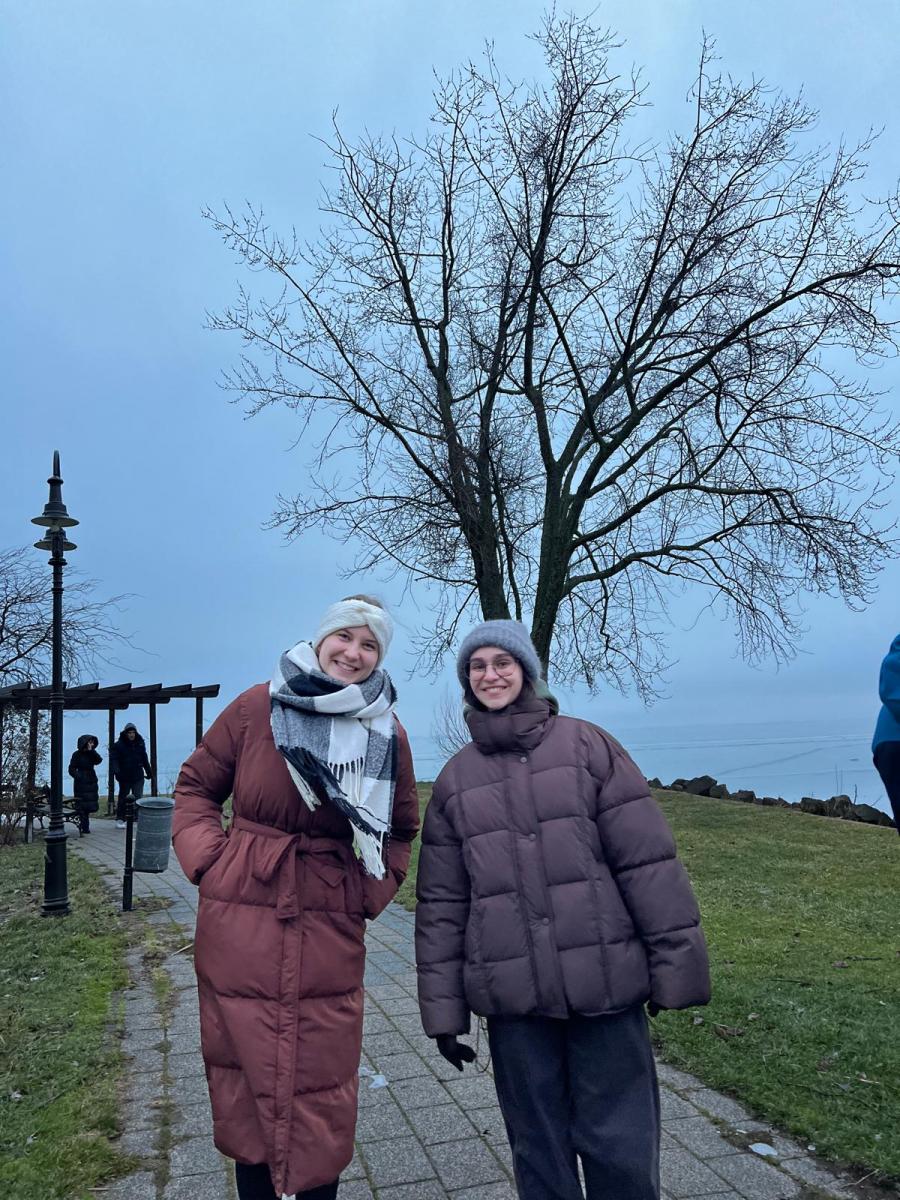
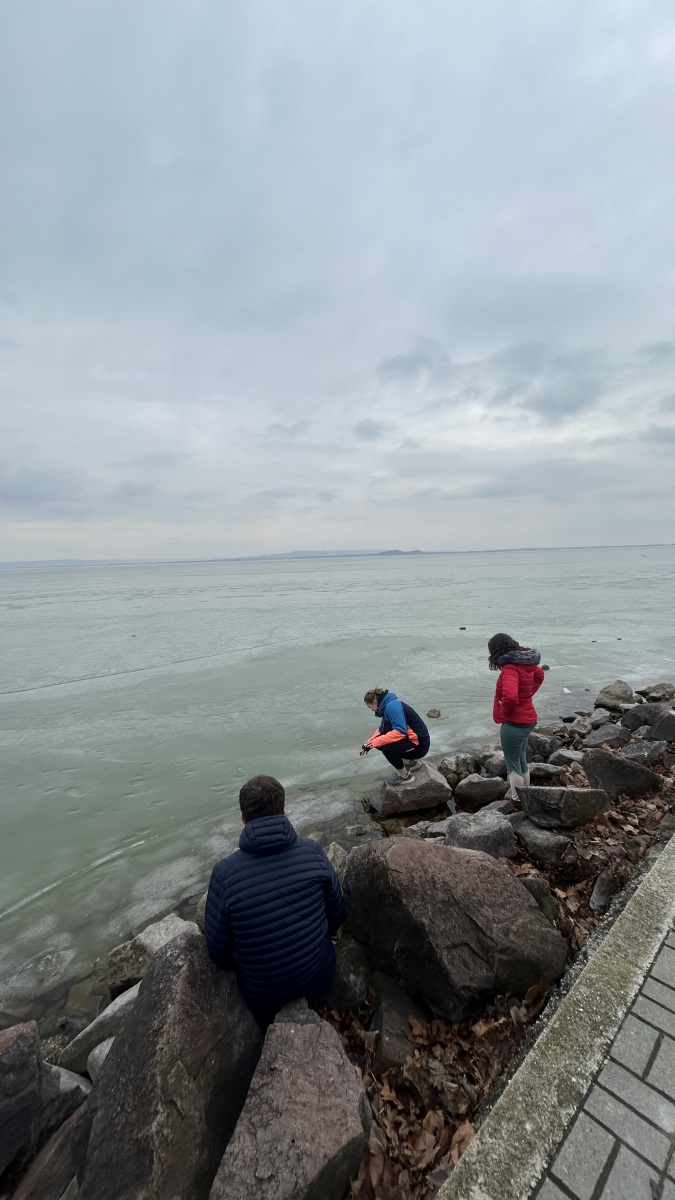
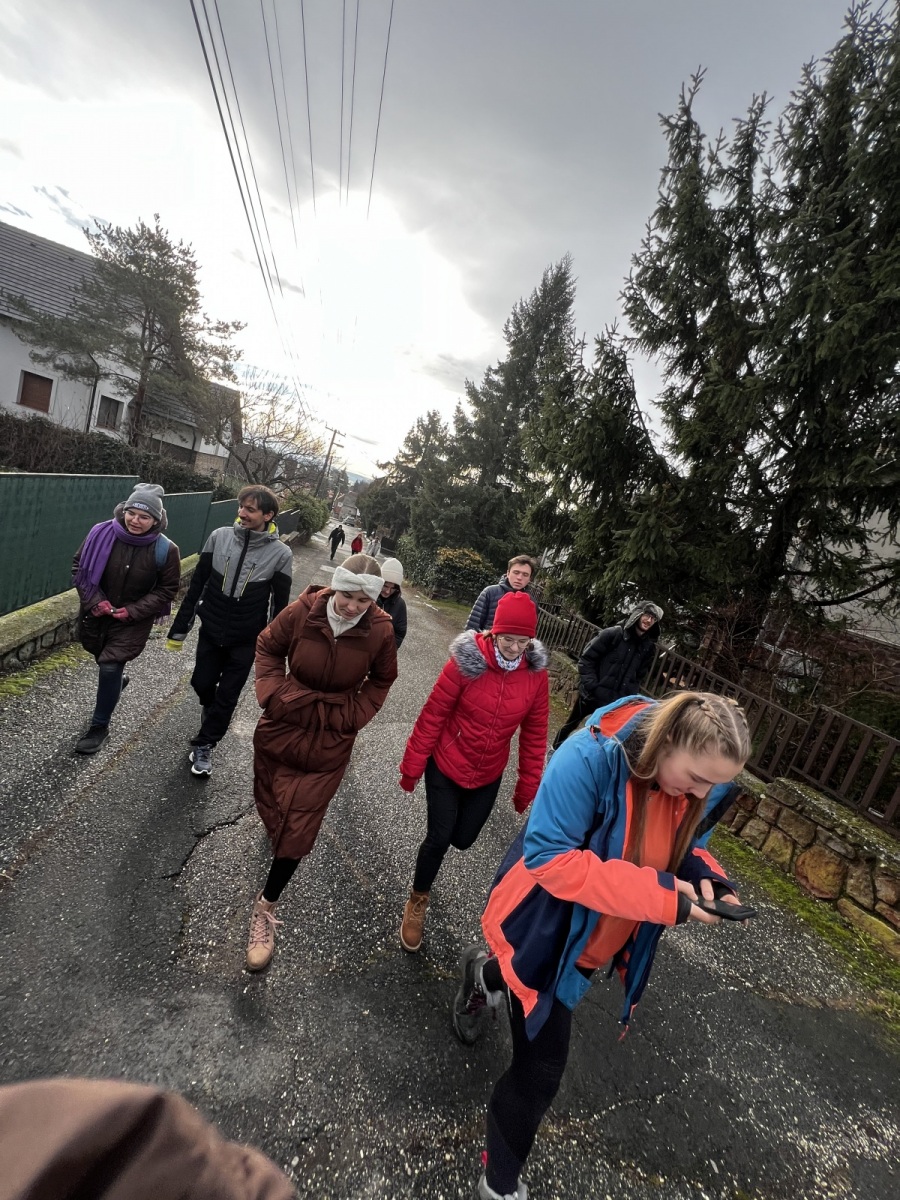
Celý týden jsme neměli hlad i když jsme byli v Hungary (haha). Po večeři jsme se společně s dalšími účastníky projektu z Itálie, Rumunska, Moldavska a Bulharska vydali prozkoumávat tvrdost ledu a zkoušeli bruslit bez bruslí. Tvrdost ledu jezera Balaton měla stoprocentní úspěšnost, nikdo neumřel. Město Révfülöp se brzy stalo naším procházkovým rájem a v každé volné chvíli jsme se v průběhu celého týdne všichni společně vydávali prozkoumávat krásy města.
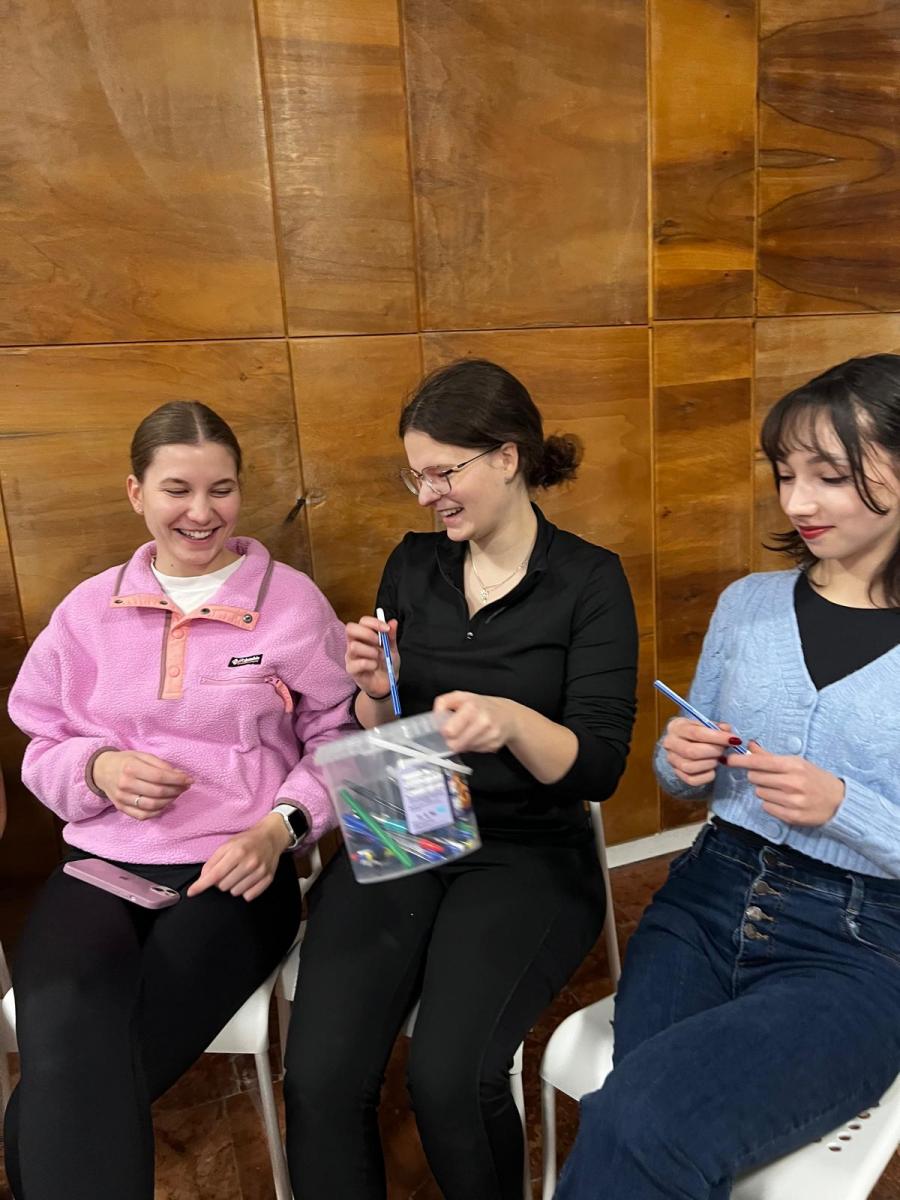
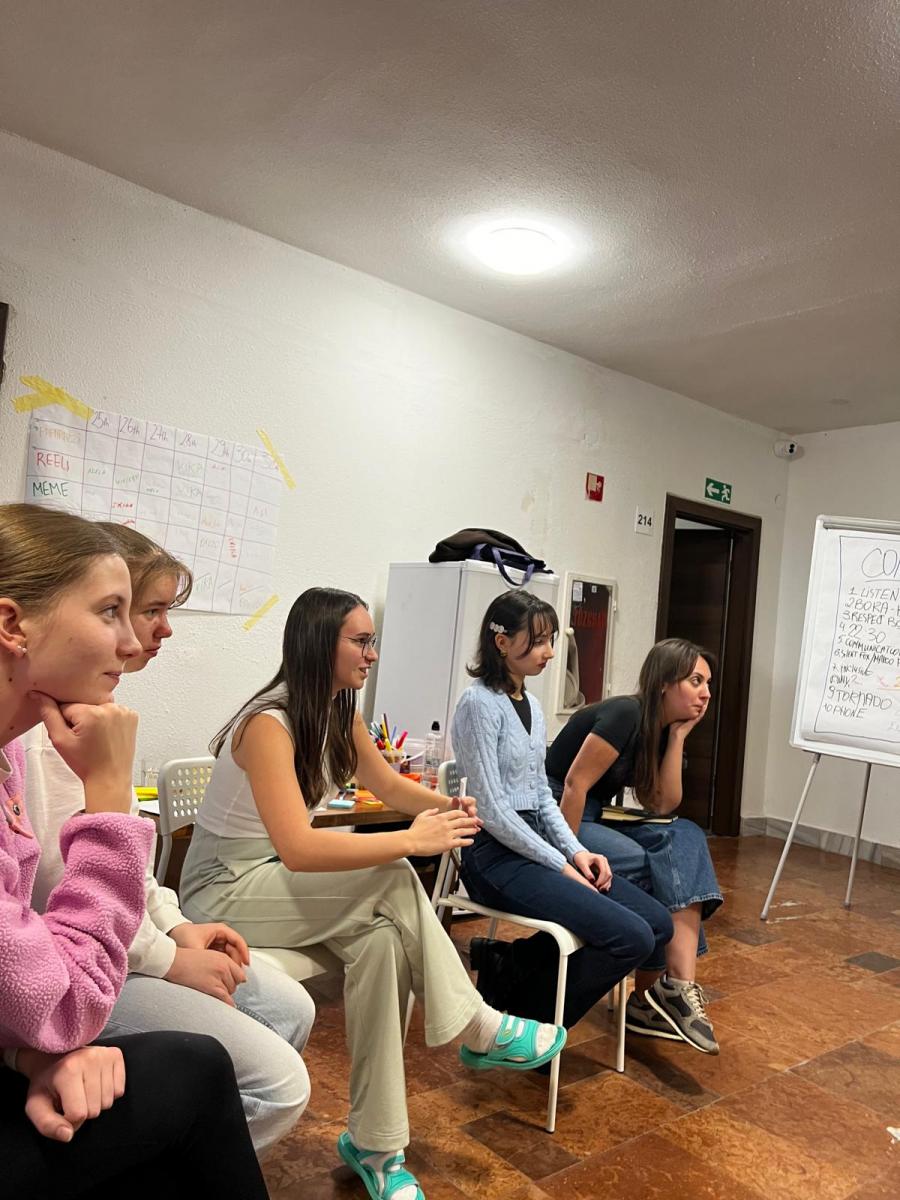
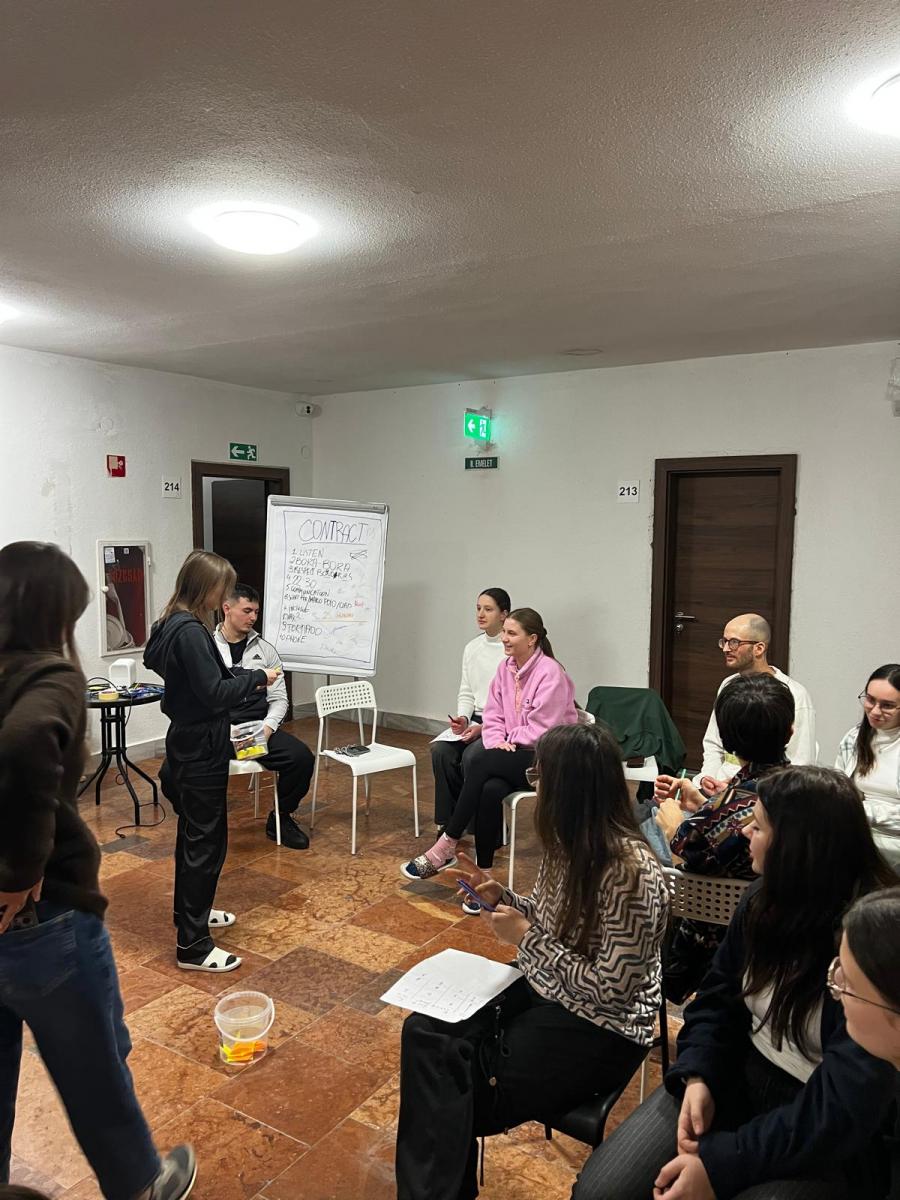
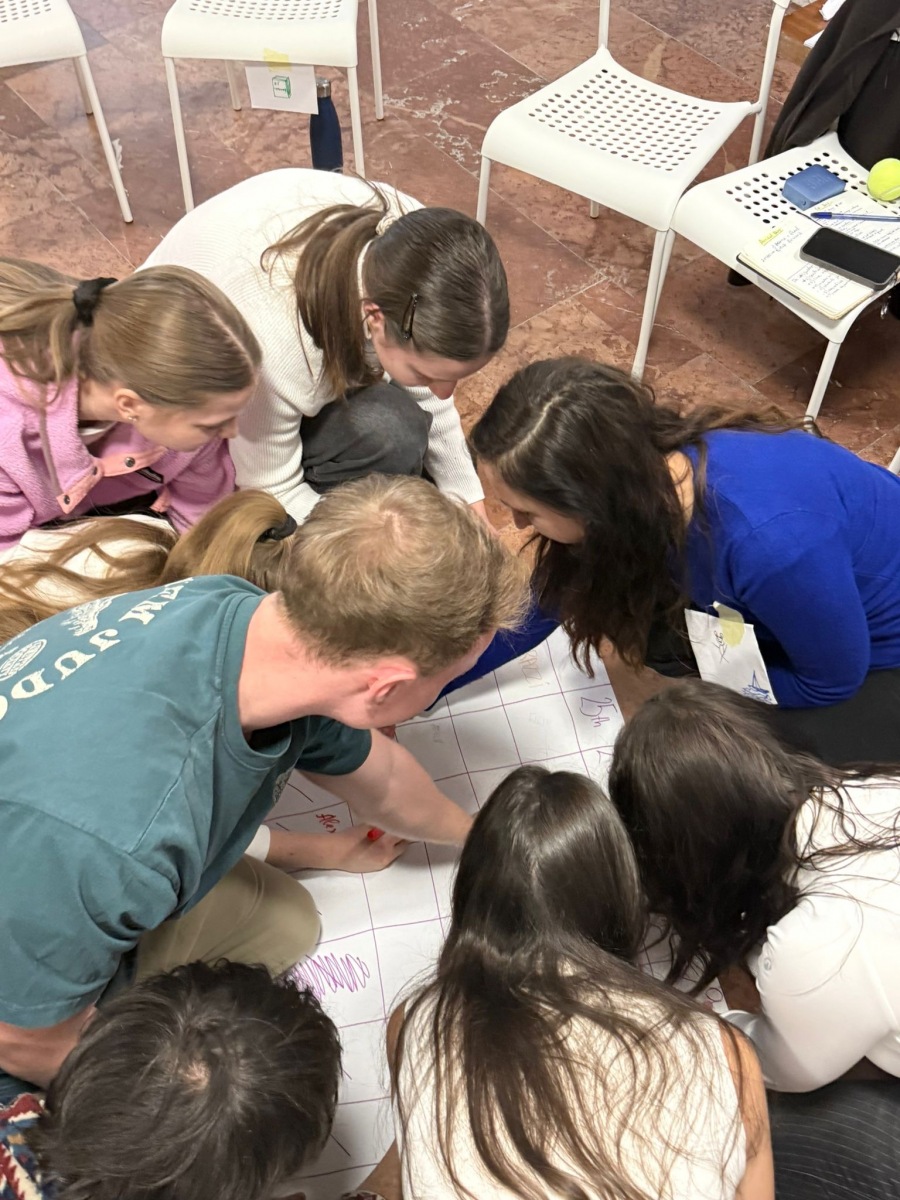
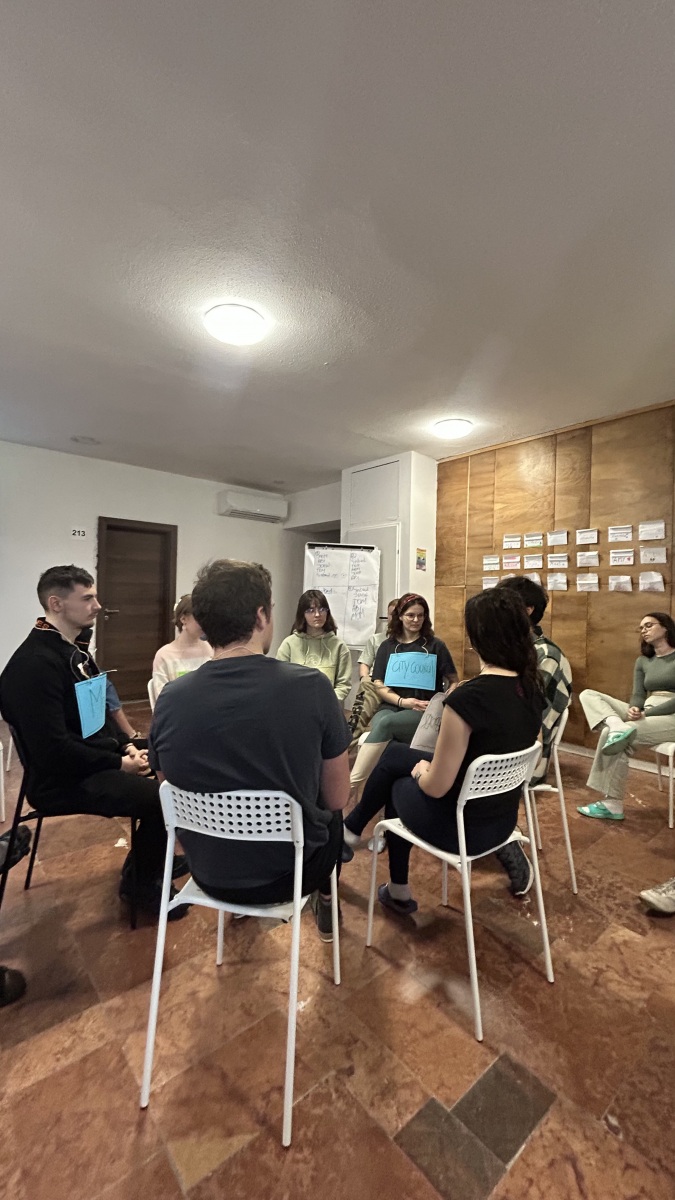
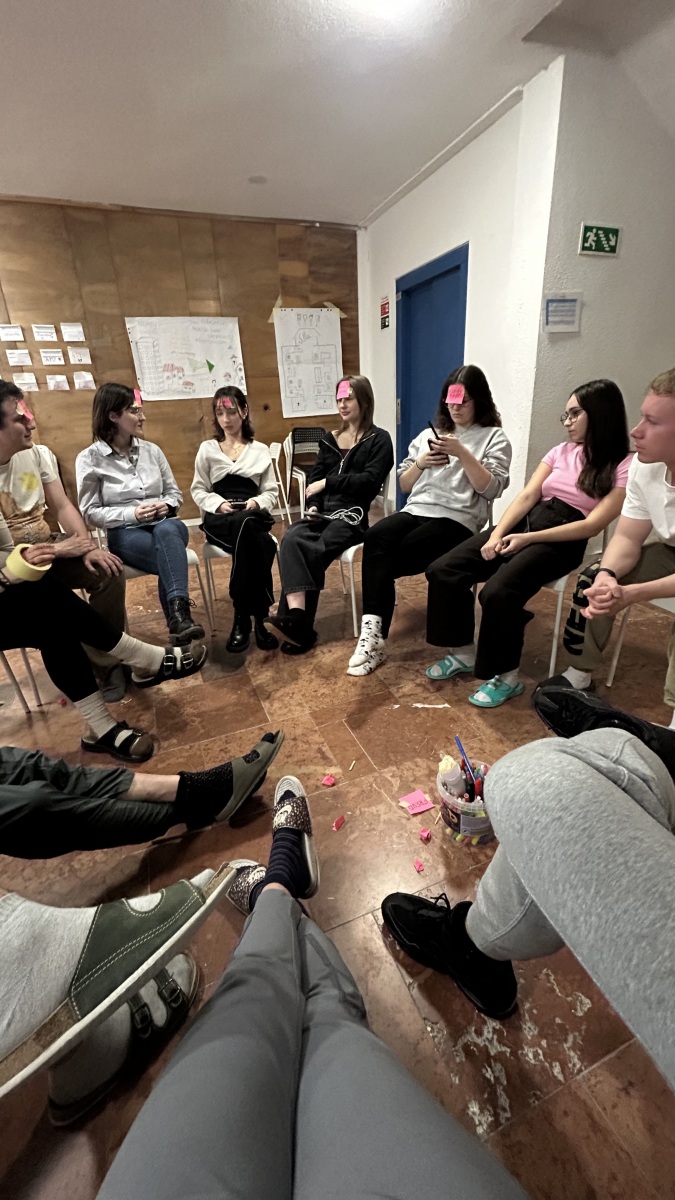
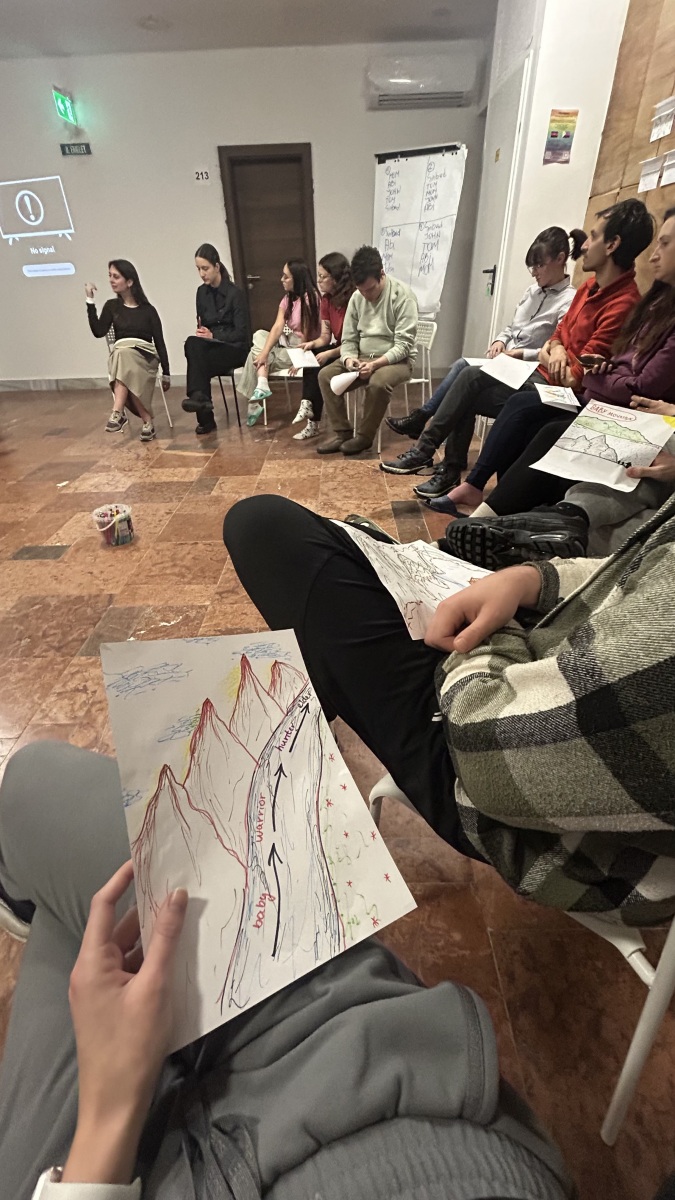
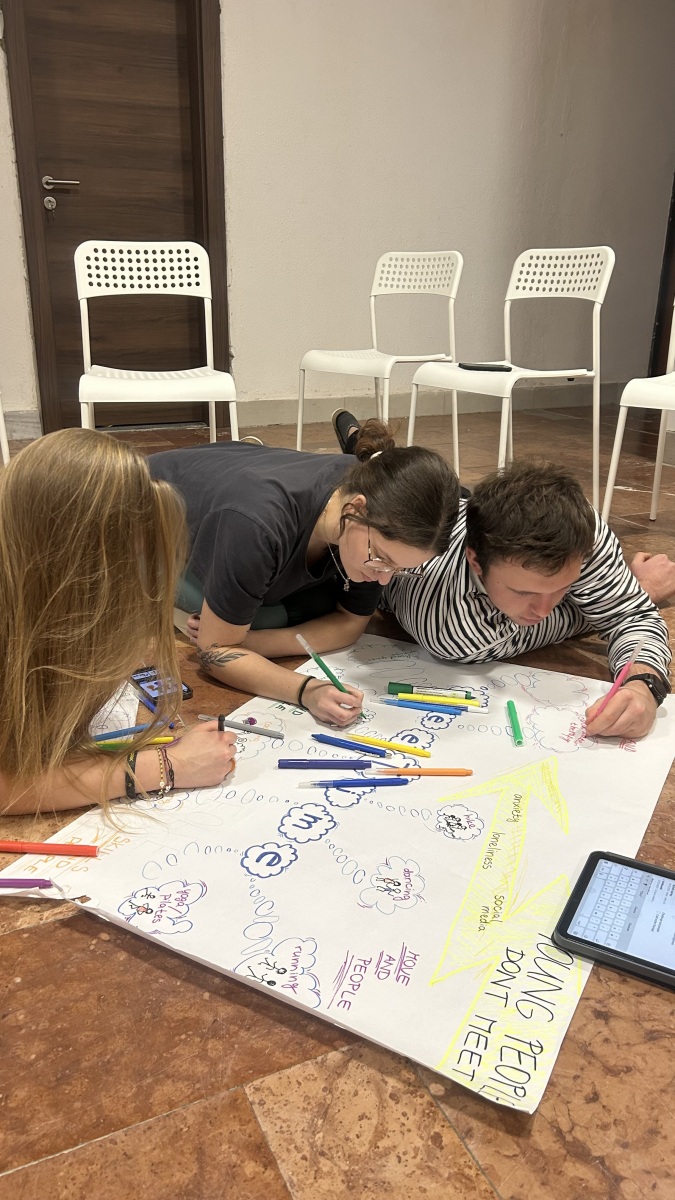
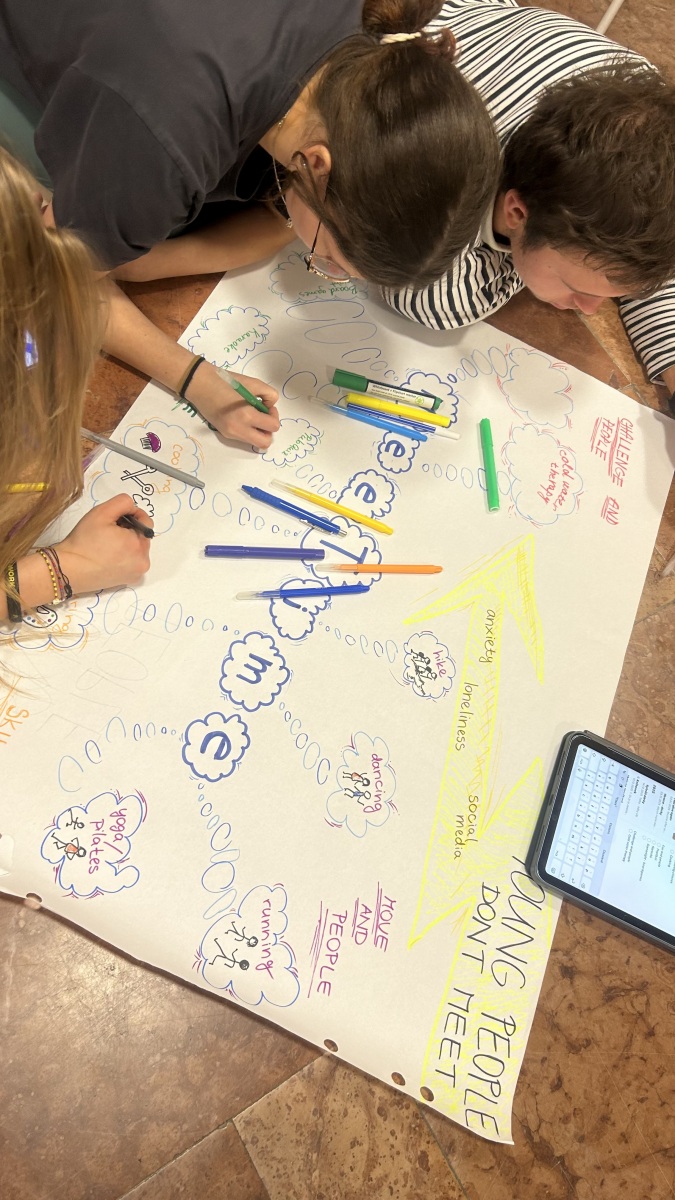
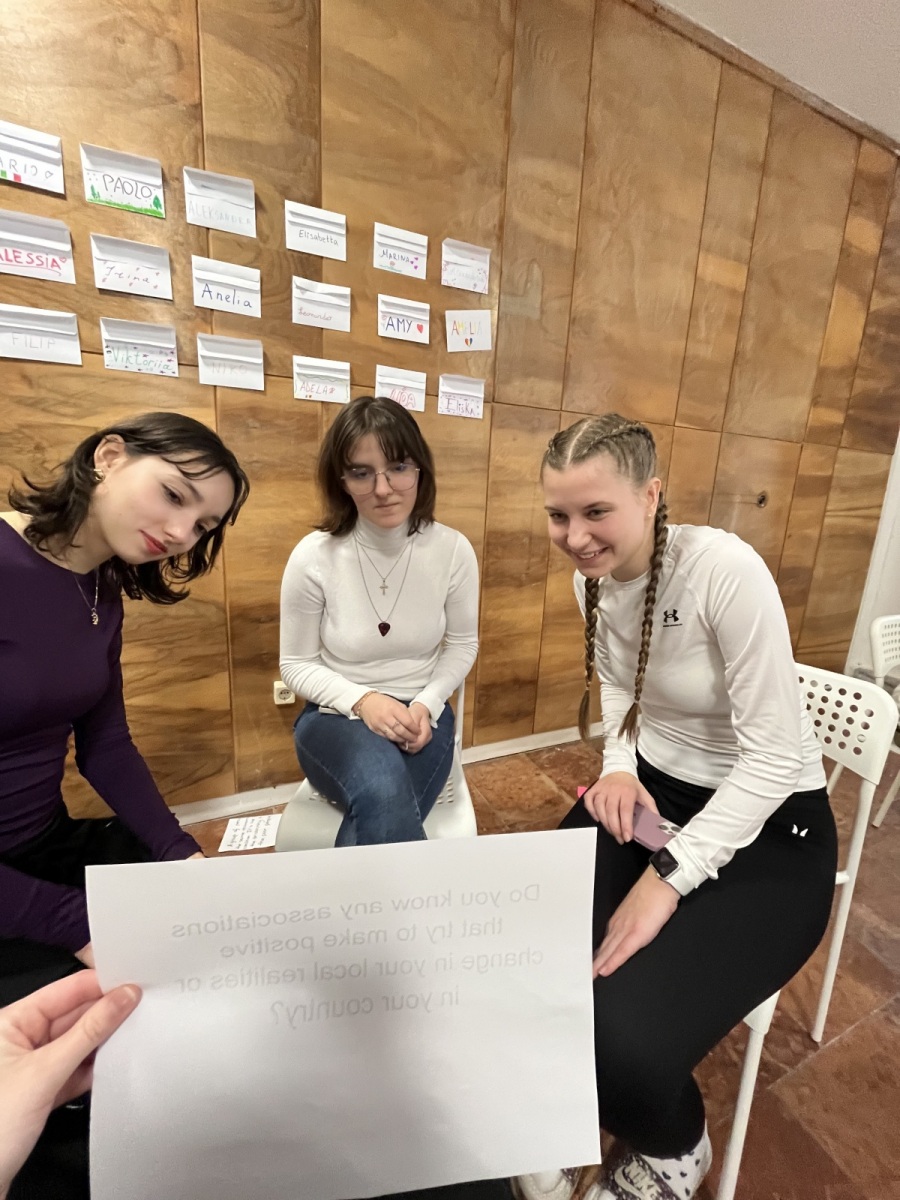
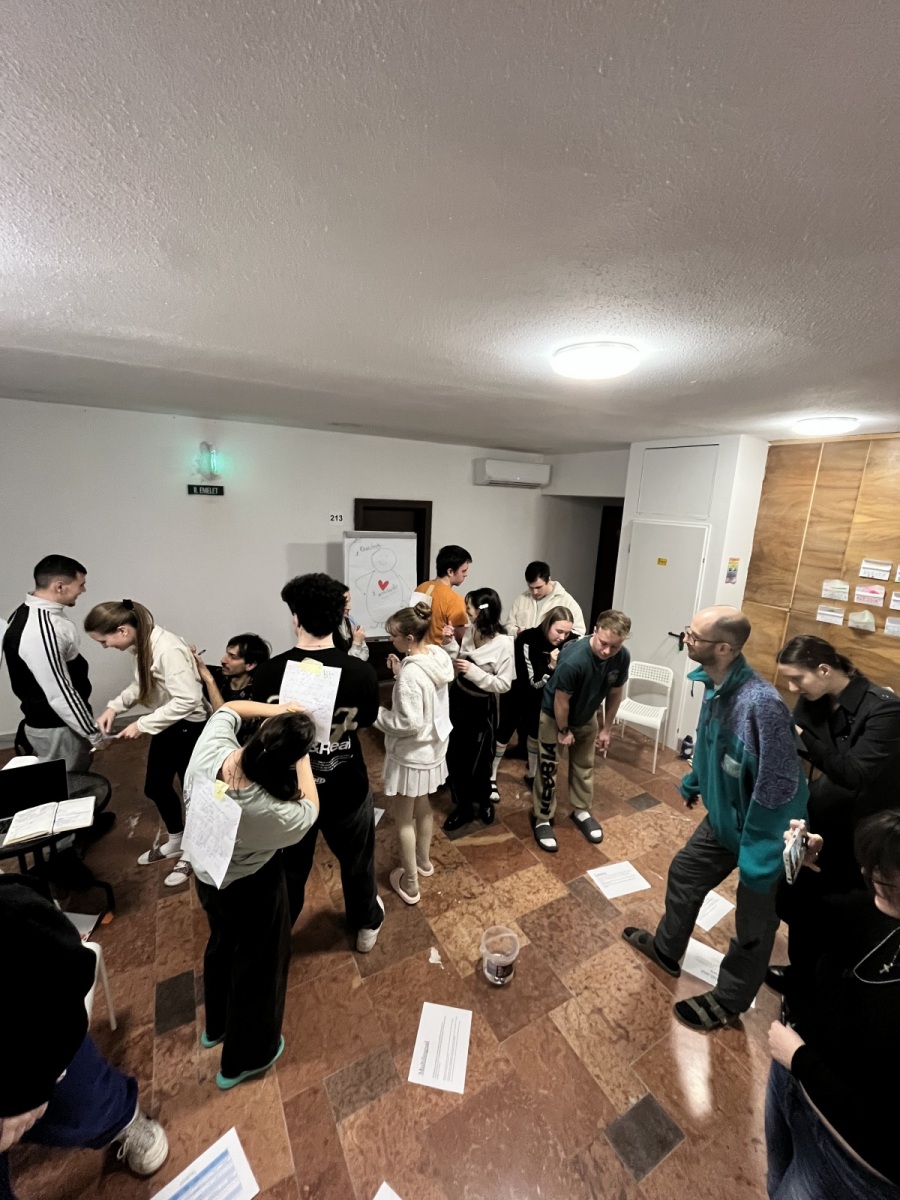
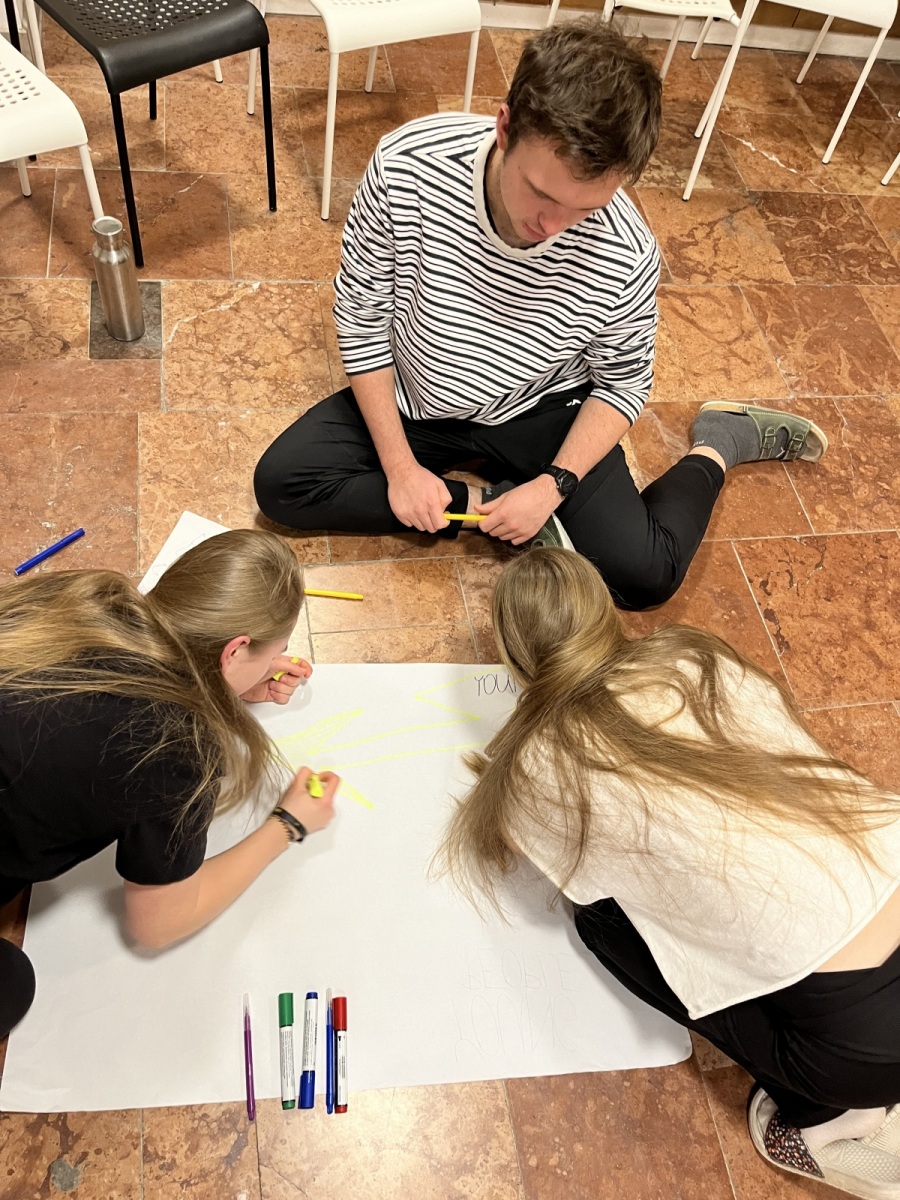
Po zaslouženém a kvalitním spánku jsme započali naši sedmidenní cestu za vzděláním, jak být úspěšným a kvalitním pracovníkem s mladými lidmi. Celý projekt byl zaměřený na práci s komunitou, identifikování problémů a jejich řešení pomocí analýz (SWOT, PESTEL, Powergraph,…). V průběhu projektu jsme se dotkli témat jako nenásilná komunikace, problémy sociálních tříd, stereotypy a předsudky. Tréninkový kurz probíhal formou neformálního vzdělávání. Pracovali jsme individuálně, ve skupinách i všichni společně.
Vrcholem našeho snažení bylo vytvoření zrealizovatelného projektu, který se týkal našich místních komunit. Naším průvodcem na cestě za vzděláním byla zkušená trenérka Galya, která nám po celou dobu pobytu byla mentorem i přítelem, na kterého jsme se mohli spolehnout.
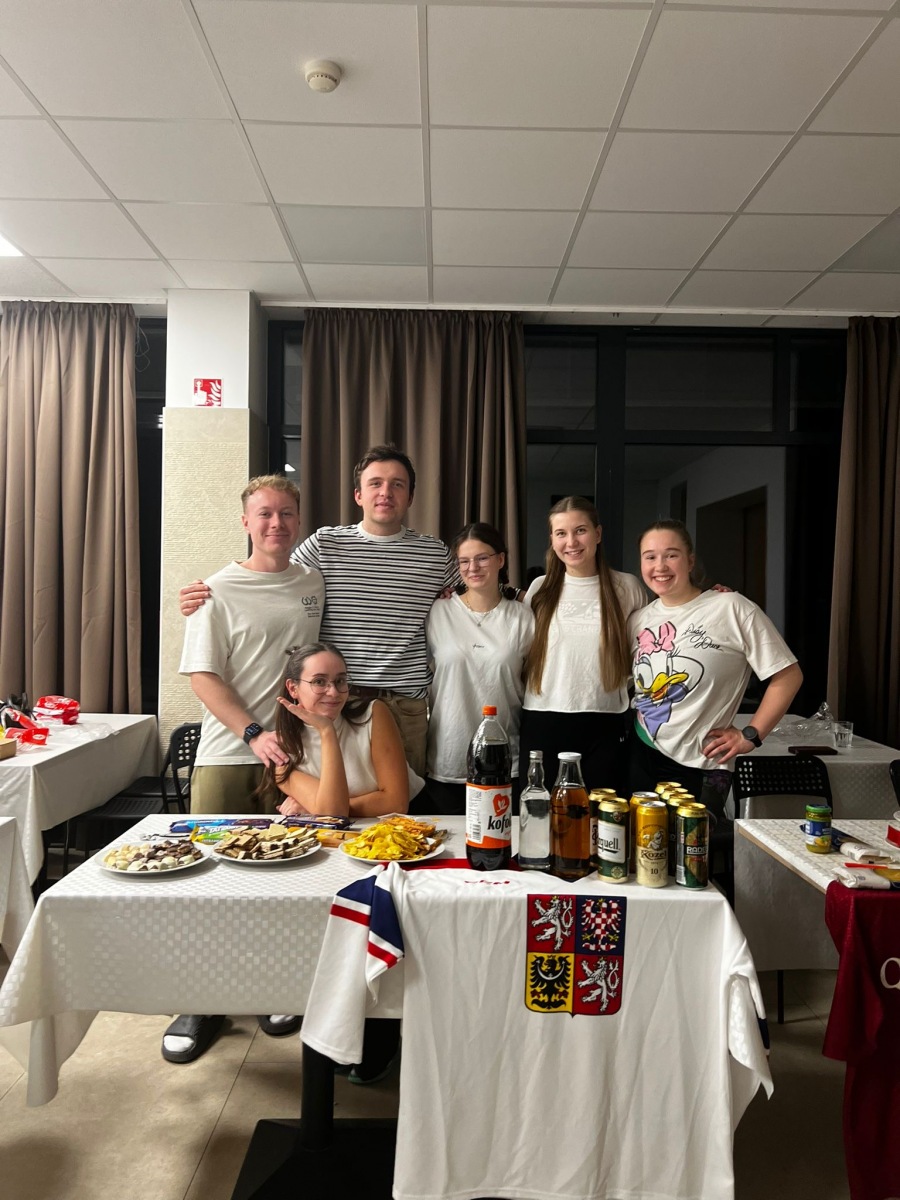
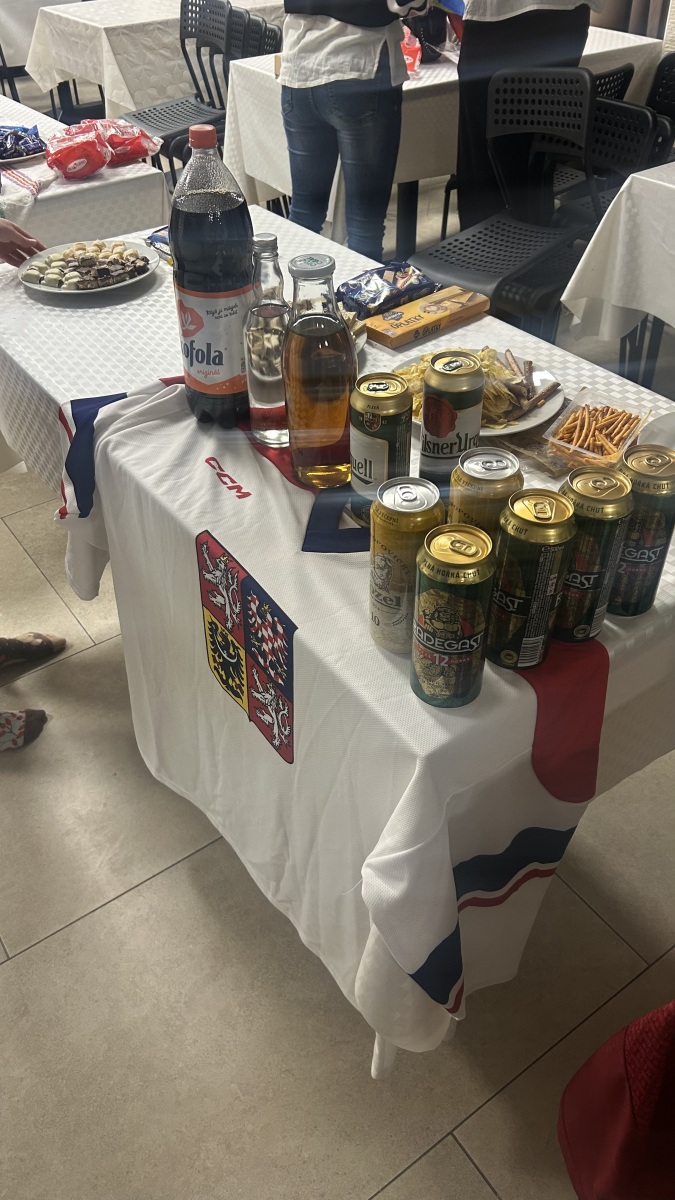
Tréninkový kurz nezahrnuje intercultural night, ale s ostatními účastníky projektu jsme jej po schválení organizátorů uspořádali v našem volném čase. Měli jsme příležitost poznat nové kultury a zvyky zemí účastnících se projektu. V tomto programu se k nám připojili také účastníci jiného projektu, který probíhal souběžně s tím naším. Celkem se tedy prezentovalo 8 zemí, bylo skvělé vidět různorodost kultur a vyzkoušet jejich tradiční pokrmy.
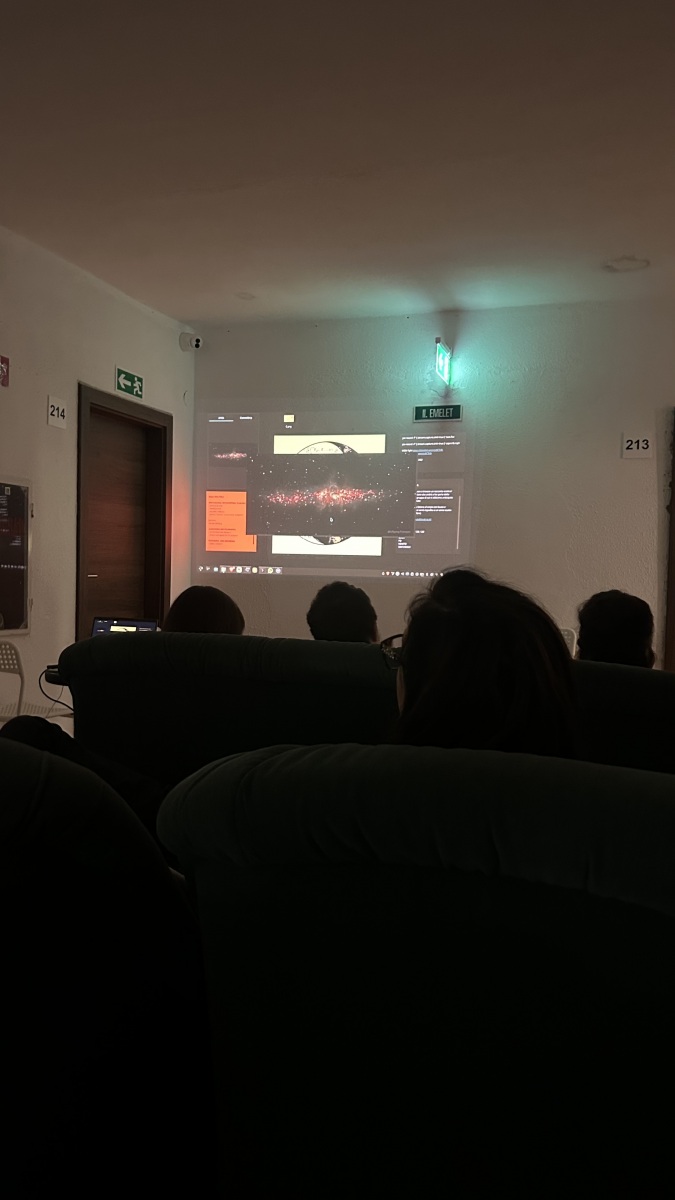
Další společný večer na projektu Step-Up jsme strávili u filmu Freedom Writers. Osobně bych tento film doporučil všem, kteří se věnují práci s mladými lidmi. Byla to skvělá ukázka neformálního vzdělávání, protože jsme se všichni společně dívali na film z perspektivy pracovníka s mládeží a později jsme jeho příklady využívali v aktivitách.
Tréninkový kurz předčil veškerá naše očekávání a odnášíme si z něj mnoho nových poznatků, zkušeností, ale také přátel.
Filip J.