Erasmus+, Klíčová Akce 1: tréninkový kurz
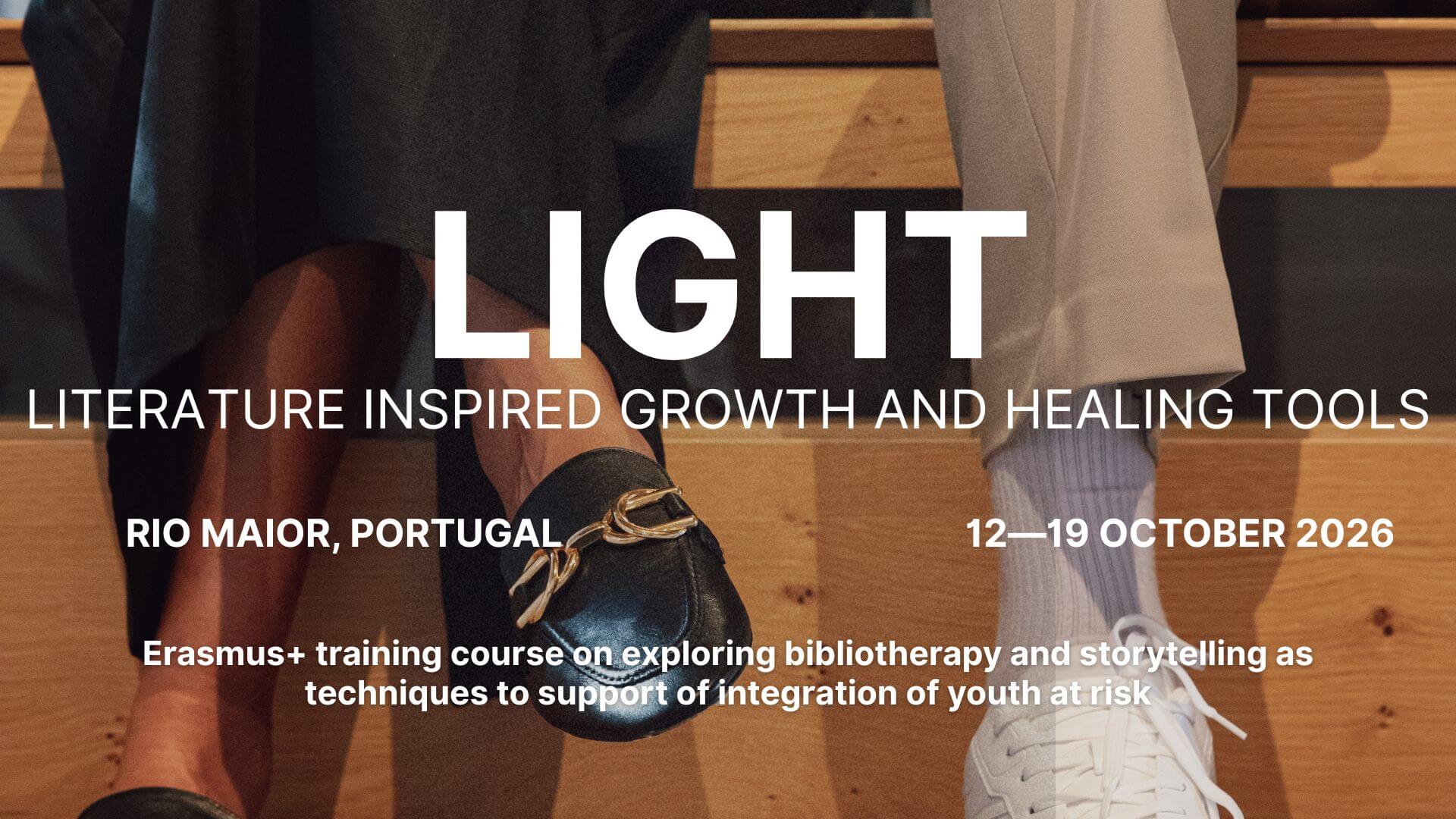
Termín konání: 12.—19. říjen 2026
Místo konání: Rio Maior, Portugalsko
Český tým: 2 účastníci (ve věku 18+)
Před tím, než se přihlásíte na jakýkoliv náš projekt, důkladně si přečtěte všechny informace v sekci Chci vyjet na projekt a seznamte se s Pravidly účasti na zahr. projektech.
Prosím důkladně si přečtete info-pack. Deadline přihlašování uplynul 19. dubna. Pokud máte zájem se na tento projekt přihlásit jako náhradníci, prosím odešlete vyplněnou přihlášku zde.
Pro to, abyste se na tento projekt přihlásili je nutné, abyste vlastnili nejen občanský průkaz (který musíte mít ze zákona), ale také platný cestovní pas (s platností min. ještě 150 dní od datumu začátku vámi vybraného projektu).
V rámci programu ERASMUS+ jsou následující finanční specifika: v rámci všech projektů je kompletně (ze 100%) zajištěno jídlo, ubytování, aktivity, a to vše je zcela pokryto z fondů EU programu ERASMUS+ a zařízeno organizátory. Účastníkům dále budou proplaceny cestovní náklady (reimbursement) z místa bydliště do místa konání projektu a to max. do výše €395/účastník.
Hostitelská organizace: H2O
Popis projektu:
Erasmus+ training course on exploring bibliotherapy and storytelling as techniques to support of integration of youth at risk
The project goes beyond conventional approaches, aiming to equip youth workers with advanced abilities that encompass not only effective communication and facilitation but also an understanding of psychological and emotional aspects. This entails fostering a deeper level of empathy, active listening, and cultural sensitivity.
Participants will learn how to create safe and inclusive spaces for engagement, facilitating meaningful interactions that enable young people to express themselves freely.
Central to the training is the utilization of biblioguidance and storytelling as transformative tools. Youth workers will explore how various forms of literature—such as books, poems, songs, and narratives—can be harnessed to encourage self-discovery, personal reflection, and emotional expression among young people. By incorporating biblioguidance and storytelling techniques, youth workers will be equipped to guide and mentor youth through their journeys of personal growth and empowerment.
The training acknowledges the diverse backgrounds, experiences, and challenges that young people with fewer opportunities face. This encompasses a broad spectrum, including those from marginalized socio-economic backgrounds, cultural minorities, or with disabilities. Youth workers will learn strategies to recognize and address the specific needs of these youth, ensuring that their unique circumstances are taken into account during interactions and interventions.
Overall aim of the project is to equip youth workers with the knowledge, skills, and tools of biblioguidance and storytelling to effectively engage with and support young people at risk of social exclusion. Through literature and storytelling, youth workers will enhance the personal development, self-expression, and emotional well-being of young people with fewer opportunities, fostering their active participation in society.
S.M.A.R.T. Objectives of our project:
- Specific: Provide youth workers with training in biblioguidance and storytelling methods tailored to engaging with young people with fewer opportunities and at risk of social exclusion.
- Measurable: Train 20 youth workers who work with socially excluded youth in effective biblioguidance and storytelling techniques over the course of a 6-day training program.
- Achievable: Ensure that participating youth workers gain a comprehensive understanding of the concepts and practices of bibliotherapy, storytelling, and emotional support for their target audience.
- Relevant: Address the unique challenges faced by young people immersed in a technologically saturated environment by focusing on social and emotional skill development, self-expression, and building meaningful connections.
- Time-Bound: Within six months of completing the training, participating youth workers should be able to implement biblioguidance and storytelling techniques in their work with socially excluded youth, fostering personal growth and empowerment.
Learning objectives of the training course:
- Understand the concept of bibliotherapy and its potential in promoting personal growth, self-expression, and emotional well-being among young people with fewer opportunities especially at risk of social exclusion.
- Gain proficiency in selecting and using various forms of literature, including books, poems, songs, and stories, as tools for engaging youth in discussions and self-reflection.
- Learn effective storytelling techniques to create a safe and supportive environment for young people to articulate personal experiences, emotions, and challenges.
- Develop facilitation skills to guide meaningful discussions and activities that encourage youth to explore their feelings, values, and cultural identity through literature.
- Acquire strategies for integrating technology and multimedia elements, such as movies and videos, into biblioguidance sessions to resonate with contemporary youth experiences.
- Understand the significance of empathy, tolerance, and active listening in building trust and rapport with socially excluded youth, while fostering their social and emotional competence.
- Explore practical methods for journaling, writing, art, dance, and movement that enable youth to express themselves creatively and enhance their self-awareness.
- Develop a comprehensive approach to promoting youth’s self-esteem, emotional intelligence, and social skills through bibliotherapy and storytelling interventions.
- Build an international network for supporting youth workers and youth organisations who are supporting the inclusion of young people with fewer opportunities especially being at risk through bibliotherapy and storytelling.
By accomplishing these learning objectives, participating youth workers will be better equipped to engage with young people at risk of social exclusion, using literature and storytelling to facilitate personal development, self-expression, and meaningful connections, ultimately empowering these youth to participate more consciously in society.
Who can participate in the training course (participants‘ profile):
- youth workers that are engaged in community work with young people with fewer opportunities, especially being in risk. Specifically: project managers, community leaders, educators, facilitators, social workers, intercultural mediators that are interested to improve their facilitation and communication skills based on bibliotherapy and storytelling in the social inclusion of excluded youth groups;
- Ready to take part in the whole training course;
- To be able to communicate English language.