ERASMUS+, Klíčová akce 1: tréninkový kurz
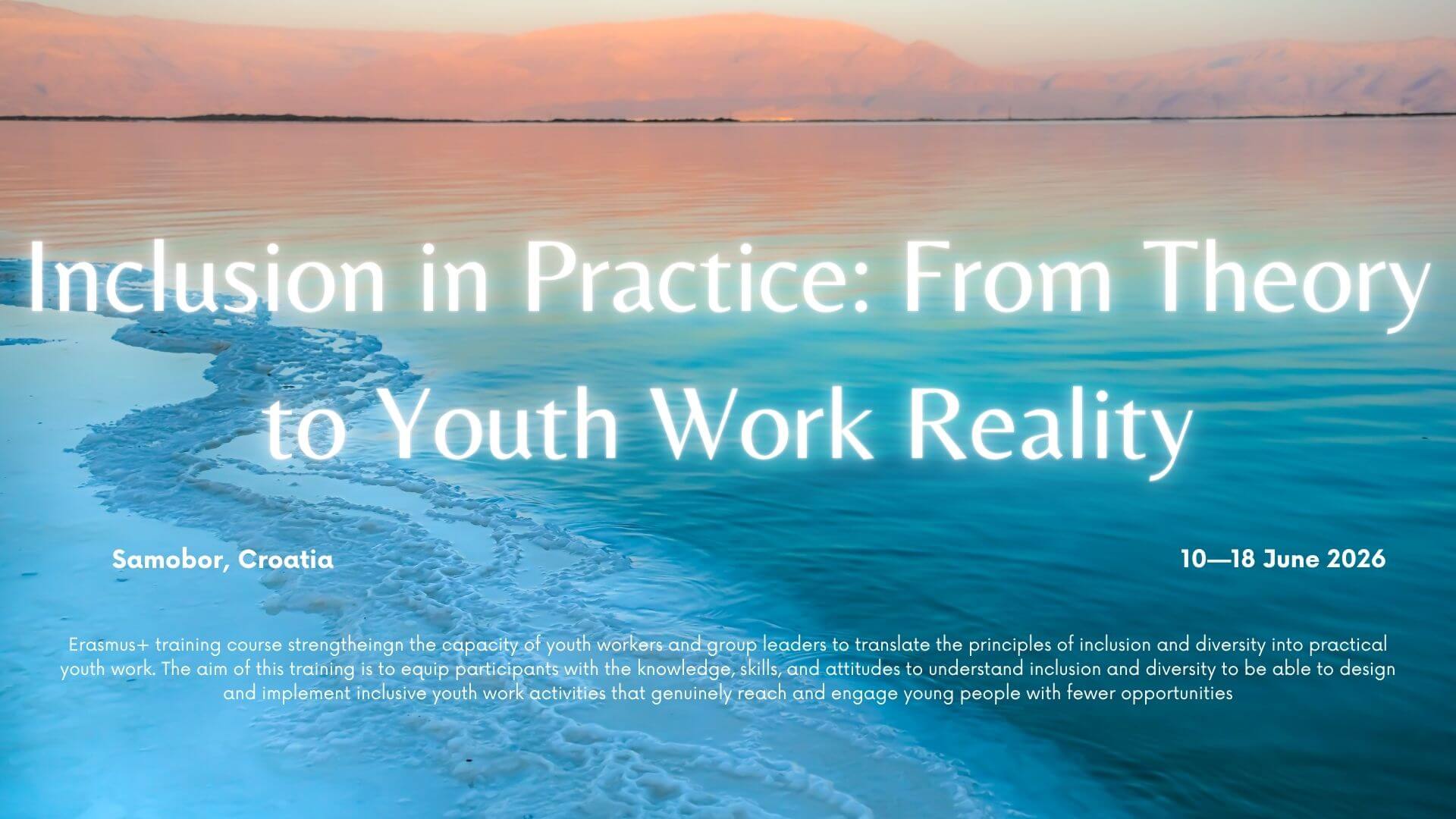
Termín konání: 10.—18. červen 2026
Místo konání: Samobor, Chorvatsko
Český tým: 2 účastníci – pracovníci s mládeží (ve věku 18+)
Přečtete si info-pack.
Hostitelská organizace: Udruga Impress
Report z projektu:
Jako obvykle jsem jednoho nedělního odpoledne prohlížel Instagram, když tu náhle jsem si na denním příběhu účtu organizace EYCB všiml nabídky tréninkového kurzu s názvem „Inclusion in Practice: From Theory to Youth Work Reality“, odehrávajícího se v chorvatském městečku Samobor, vzdáleného necelých třicet kilometrů od Záhřebu. Zkoušky už mám skoro hotové, kurz trvá jen osm dní, jeho zaměření je příbuzné mému budoucímu povolání a zcela upřímně – nabídka proplaceného “výletu“ do země, kterou jsem dosud nenavštívil, je více než lákavá – právě naopak, vše se zdá jako ideální příležitost pro mé první (a teď už vím, že ne poslední) Erasmus+ dobrodružství. Odesílám přihlášku a díky bleskově rychlé komunikaci s koordinátorkou Janou jsem vzápětí přijat a připraven k odjezdu. Je středa 10.6.2026 – 2:20 hodin ráno a já nasedám do dálkového FlixBusu. Hurá–Hurá, Záhřeb volá.
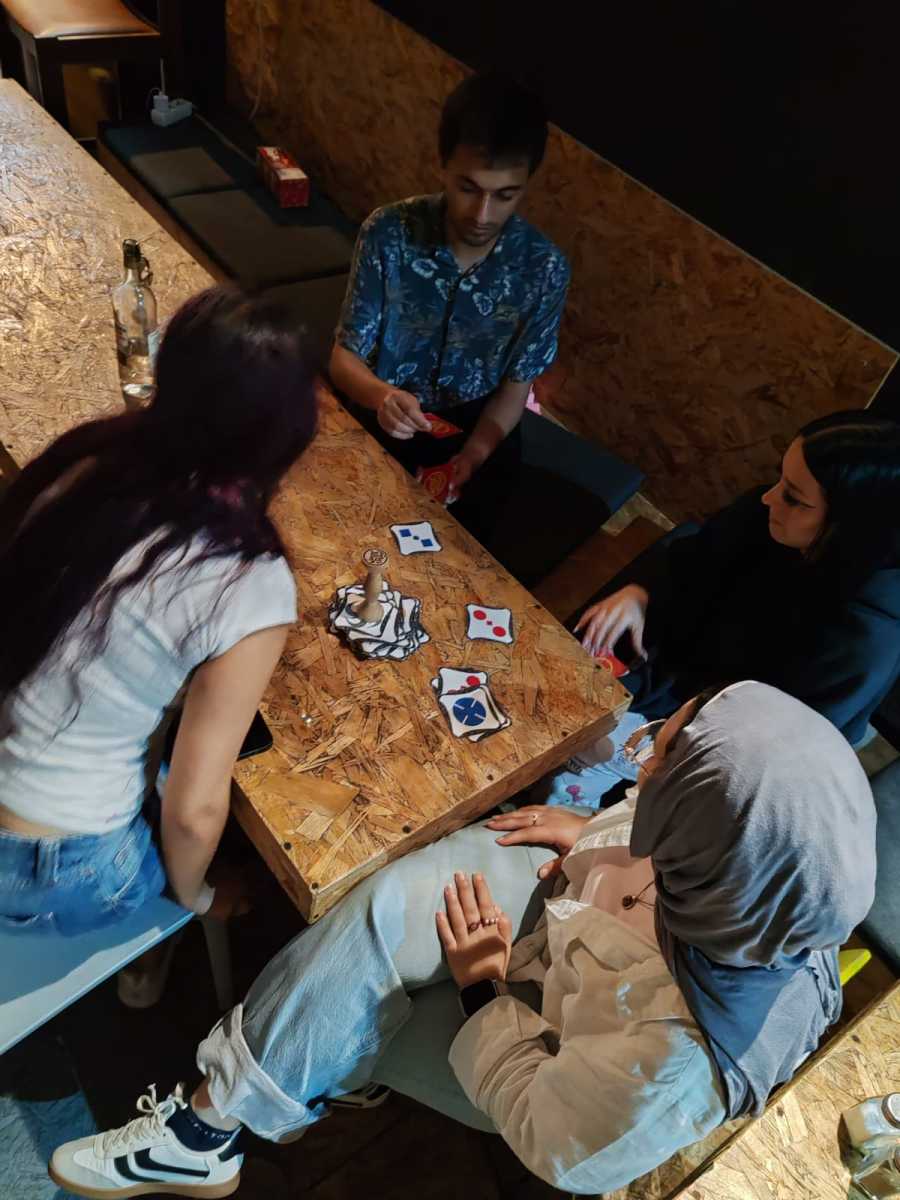
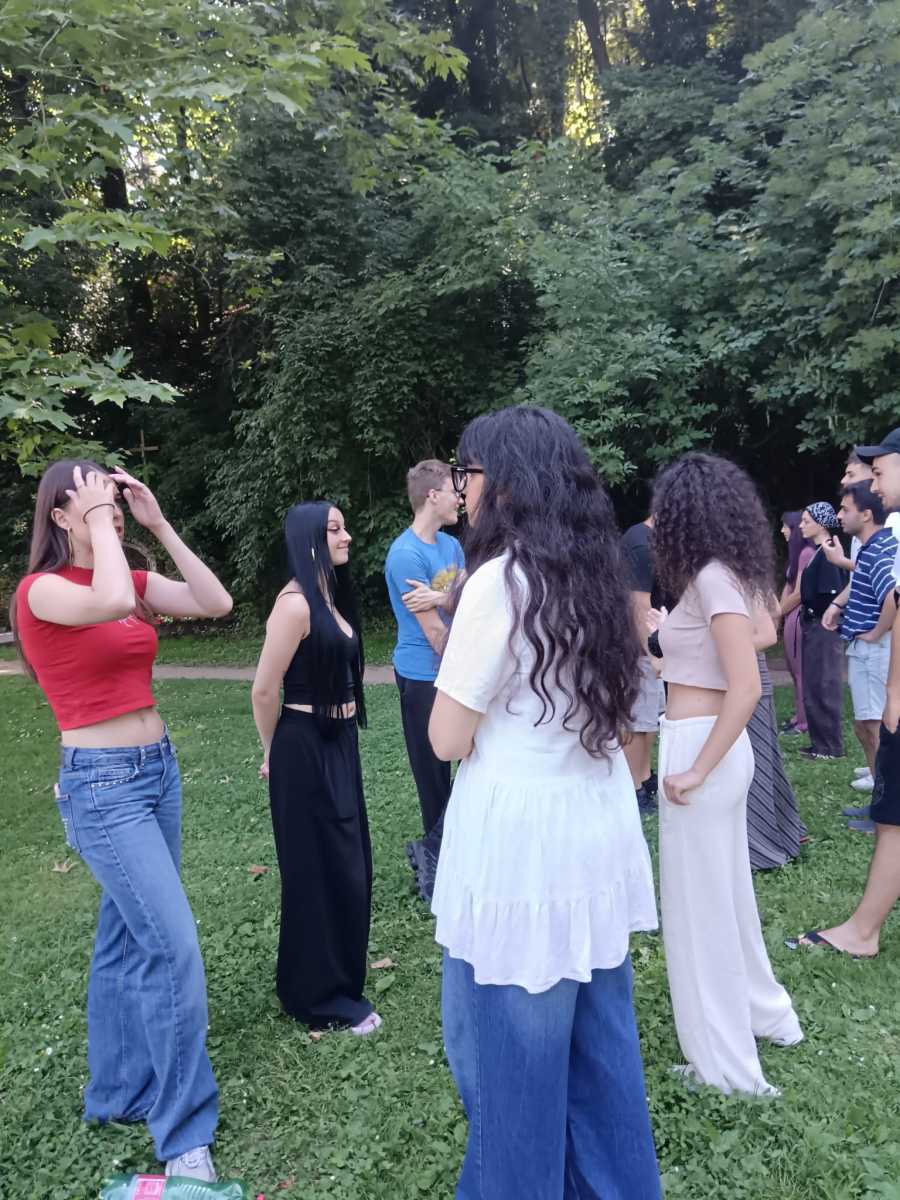
O deset prospaných hodin později vystupuji na Záhřebském Kolodvoru (nádraží) a setkávám se s druhou českou účastnicí – Káťou. Společně pokračujeme dalším autobusem do Samoboru. Samobor je klidné, nevelké městečko s malebným centrem. Dorážíme do hostelu, ubytováváme se a čekáme na účastníky z ostatních zemí. Během prvního dne dorazí většina zástupců z ostatních zemí – Turecka, Bulharska, Ázerbájdžánu, Egypta, Španělska, Rumunska, Makedonie a Chorvatska. Atmosféra nevydrží tuhá ani chviličku, už ten samý večer hrajeme do pozdních večerních hodin stolní hry – seznamujeme se, smějeme se. Od druhého dne začíná program. Každý den nás čekají čtyři semináře, každý dlouhý asi 90 minut, s přestávkami na svačiny, kávu a oběd mezi nimi. Náplň seminářů se různí. První semináře vedené dobrovolnicí Aminou jsou zaměřeny na vzájemné seznamování, tvoření kolektivu a teambuildingové aktivity. Stejně tak ale slouží jako úvod do hlavních témat kurzu – inkluze, diverzita a tvoření prostředí vykazující tyto kvality.
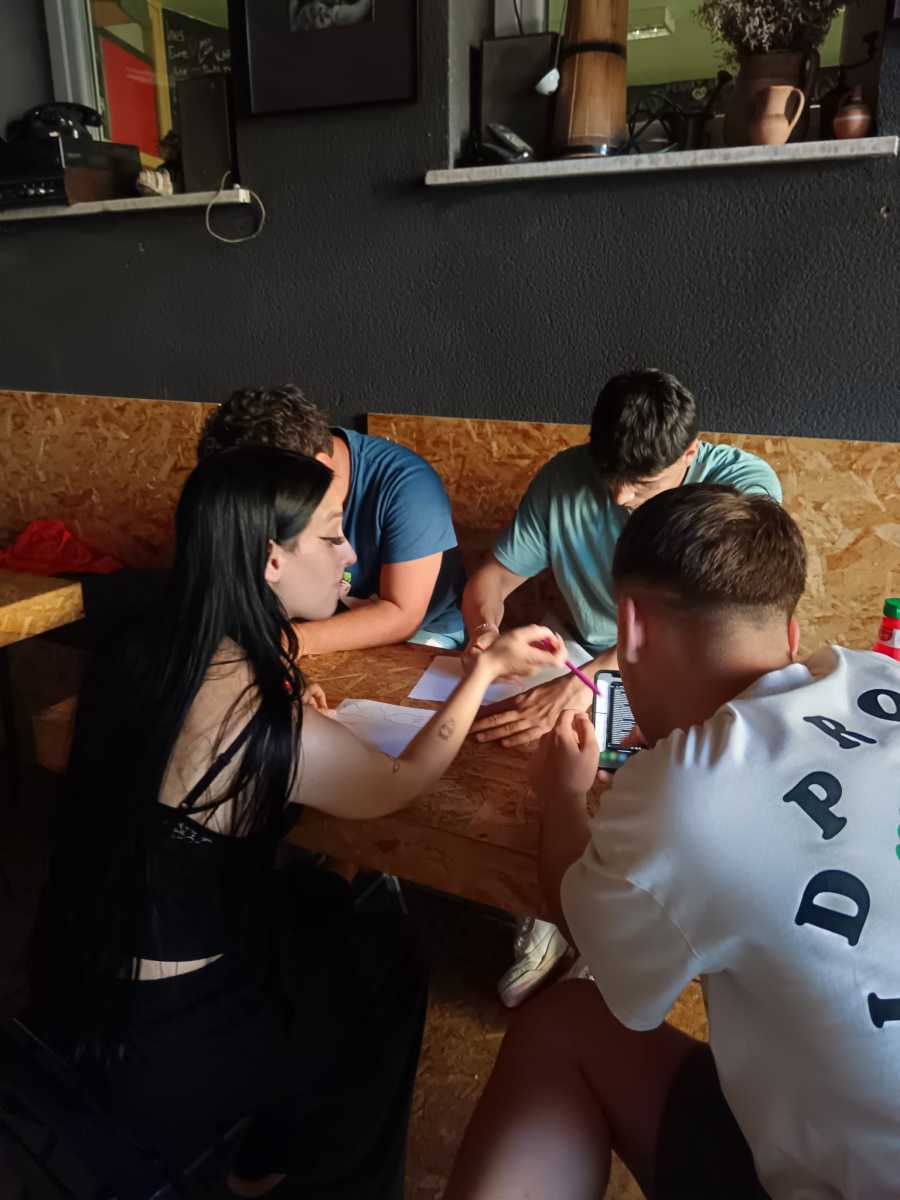
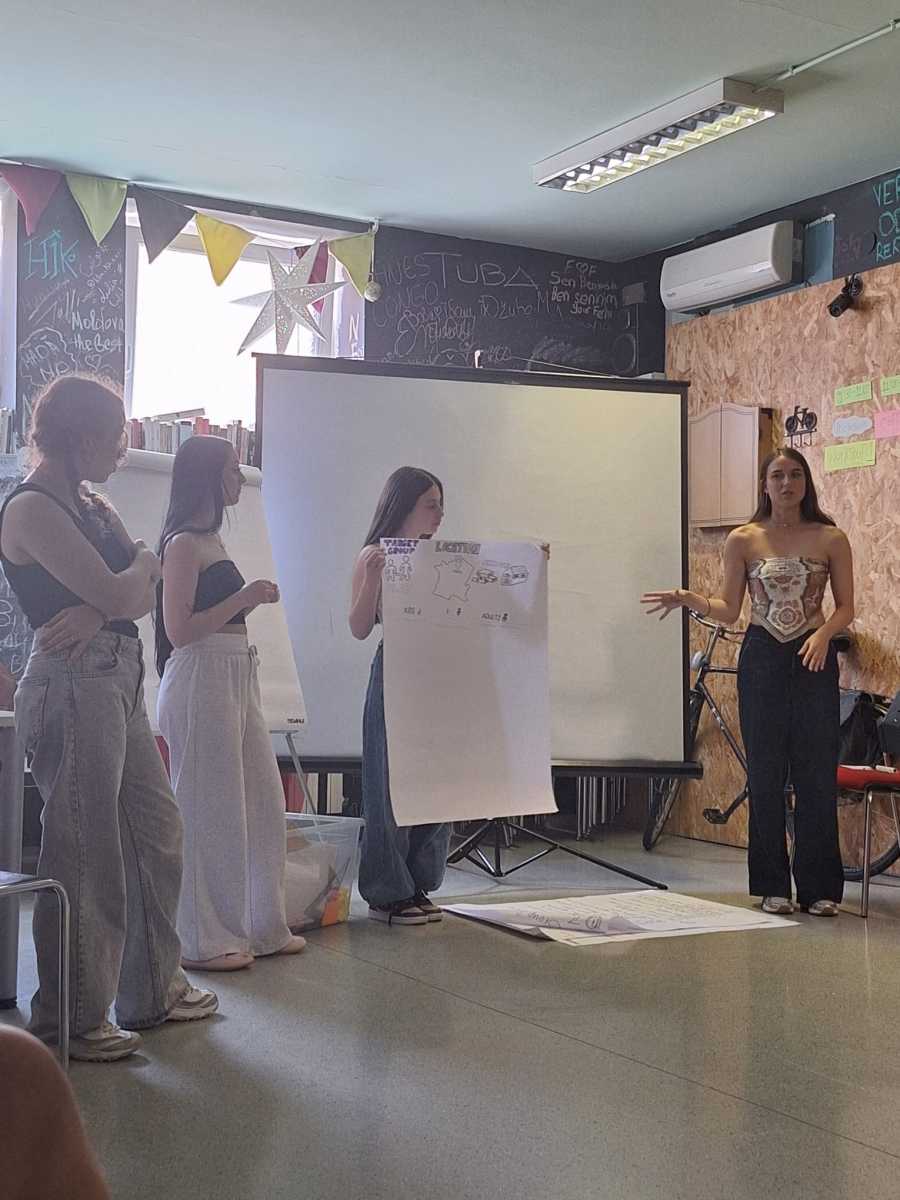
Na následující dva dny přijíždí nový trenér Dubravko, výkonný ředitel hostitelské organizace Udruga-Impress, jež projekt zaštiťovala. Dubravko nás seznamuje s fungováním NGO (nestátní neziskové organizace) v rámci tvoření programů pro Erasmus+ a předává nám své četné zkušenosti. Právě teď jsme rozděleni do šesti čtyřčlenných skupin a naším úkolem je vymyslet náš vlastní Erasmus+ projekt, který musí pracovat s problematikami inkluze, diverzity, či sociální mobility. Bereme do rukou papíry, fixy, pastelky a pouštíme se do práce. Své nápady následně prezentujeme před ostatními skupinami, obhajujeme jejich smysl a posloucháme zpětnou vazbu.
Zpětnou vazbu poskytujeme i samotným organizátorům projektu při takzvaných “Reflection groups“. Účelem těchto sezení je vyjádřit naše připomínky či nespokojenosti s organizací projektu a dosažení pochopení či jejich vyřešení. Tak se skutečně děje, po večerech s trenéry extenzivně diskutujeme a snažíme se dosáhnout změn v programu, podmínkách a přístupu. Naše připomínky (především týkající se snahy o vícero venkovních aktivit a jídla v hostelu) jsou vyslyšeny a k pozitivním změnám skutečně dochází.
Nadcházející dny plníme zábavné praktické týmové úkoly v centru města Samobor – fotíme se na specifických lokacích, hledáme kremeše, děláme kliky, recitujeme vlastní básně na dřevěných mostech a děláme rozhovory s místními obyvateli. Večery trávíme s našimi novými přáteli. Společně se procházíme, navštěvujeme festival, hrajeme hry, a v rámci „intercultural nights“ vzájemně poznáváme naše kultury. Ochutnáváme tradiční pokrmy, tančíme Mazurku, Damat halayı, či Flamenco, jsme družby a družičkami typické Makedonské svatby a oslavujeme španělský Nový Rok konzumací dvanácti hroznů.
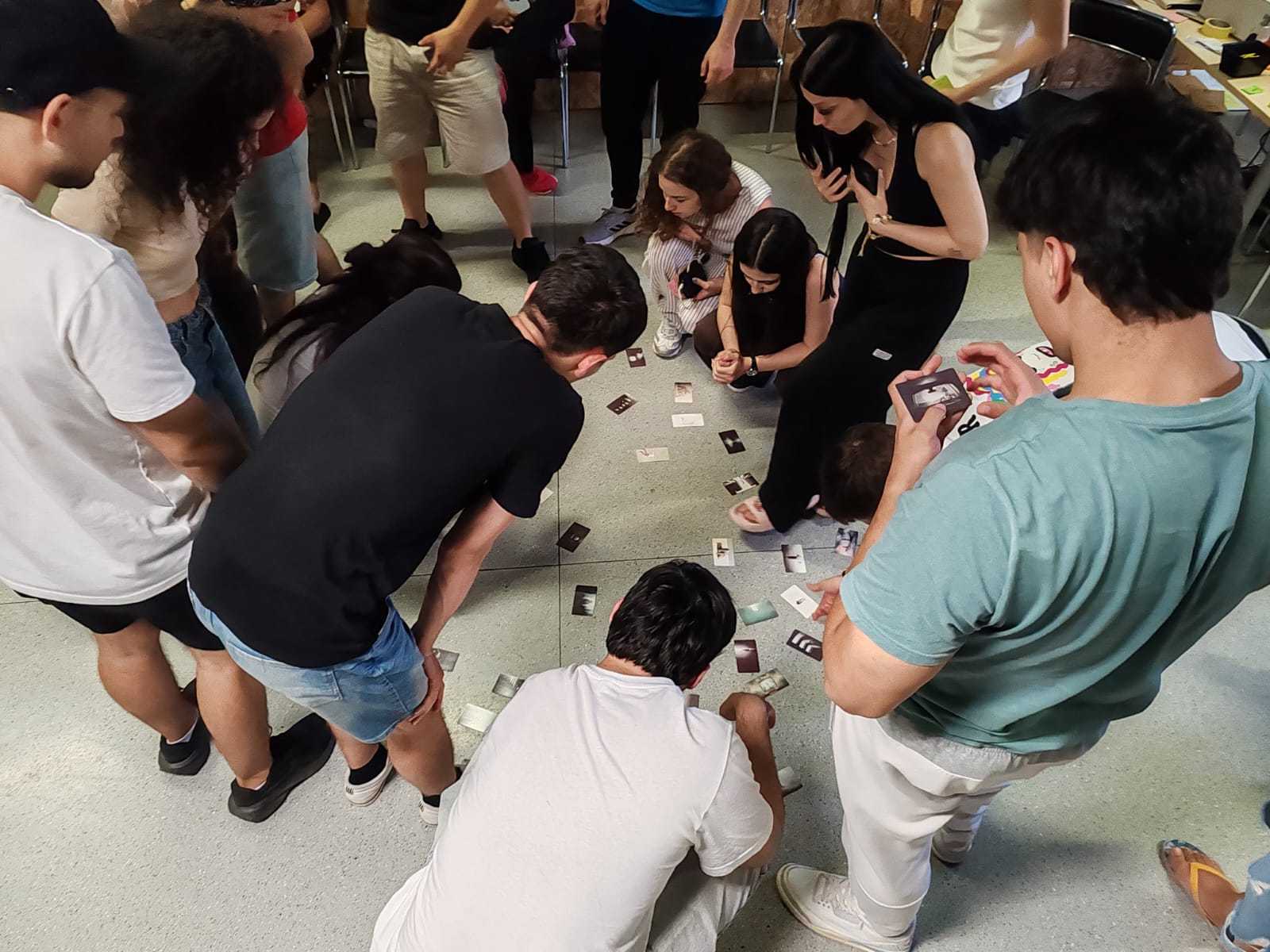
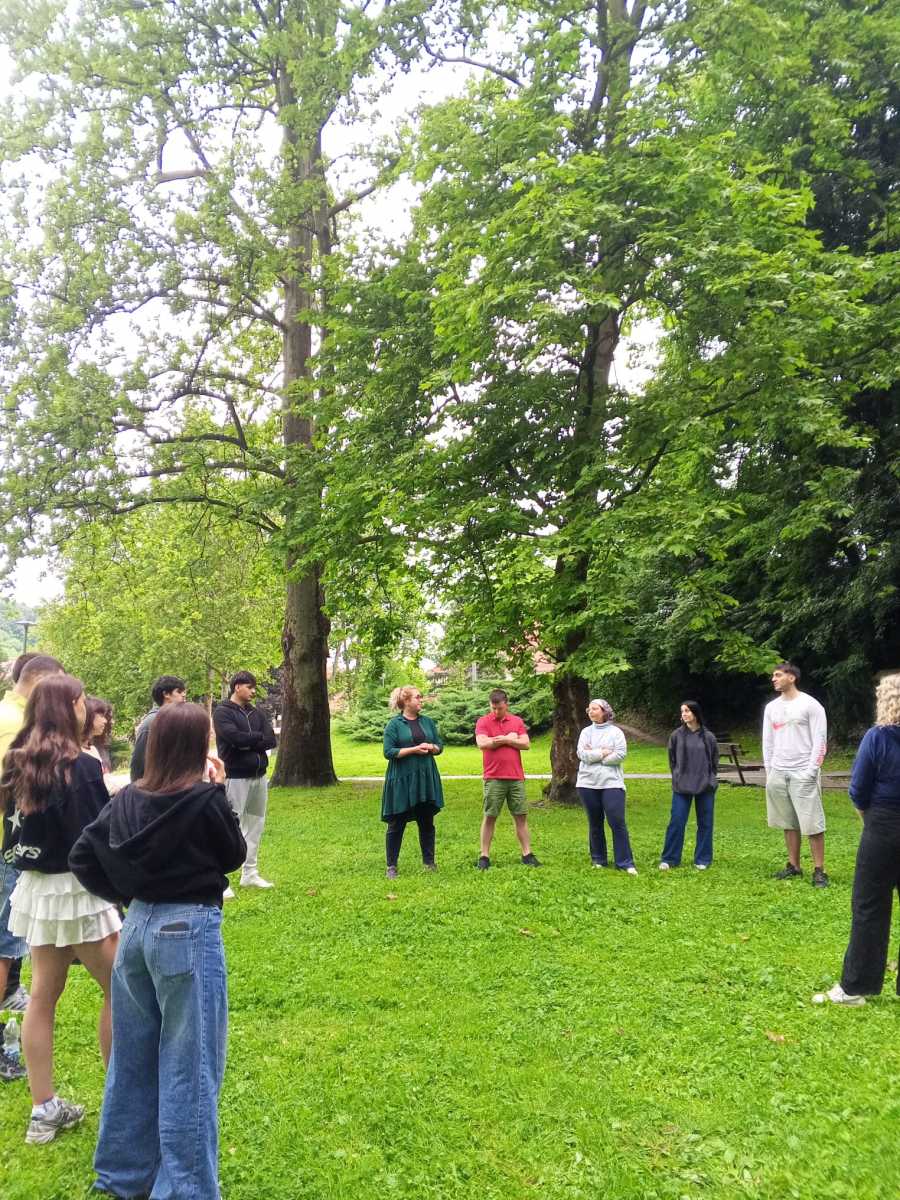
Po příjezdu trenérů Tanjy, Gazmira a Zrinky se věnujeme teoretickým debatám o významu pojmů jako je segregace, sounáležitost, inkluze, integrace, stigma, stereotyp, předsudek a diskriminace a na vlastní kůži si je zkoušíme formou her. Zároveň se hlouběji ponořujeme do tvoření skupinového projektu – naším úkolem je se zaměřit na konkrétní postupy, aktivity a opatření, jež v rámci akce budeme uplatňovat.
Následoval volný den. Společně se rozhodujeme pro výlet do Záhřebu, kde absolvujeme neplacenou prohlídku města s průvodcem. Seznamujeme se s historií města, posloucháme legendy a příběhy, poznáváme památky a objevujeme zajímavá místa pro další návštěvu, jako například neobvyklé Muzeum Zlomených Srdcí či Muzeum Kocovin. Po prohlídce společně jako skupina vyrážíme k jezeru Jarun, kde se oddáváme vodním hrátkám a sluníme se na kamenité pláži. Den zakončujeme večeří v místní restauraci a vydáváme se na náměstí, kde sledujeme zápas světového poháru ve fotbale.
Poslední dny se věnujeme dokončení našich vymyšlených projektů. Bavíme se o možných rizicích v procesu organizace, a jak tato rizika minimalizovat. Taktéž řešíme možnosti potenciálního financování a časových, či byrokratických požadavků pro uskutečnění projektu. Po finální prezentaci plodů naší týdenní práce jsme kurz úspěšně dokončili a v rámci slavnostního předávání získáváme Youth Pass certifikát o absolvování. V rámci ceremoniálu si též odhalujeme identitu takzvaného „Secret Friend-a“, tedy účastníka, jenž nám v rámci týdne měl v utajení do personalizované obálky psát krátké vzkazy a pomáhat nám v případě nouze.
Tímto kurz končí. Dvoučlennou českou expedici čeká cesta domů. Loučení s našimi novými přáteli se nese ve velmi emotivním duchu. Je plné hřejivé blízkosti, krásných slov, objetí a dohod na další setkání v budoucnu. Z kurzu si odnáším nové znalosti v oblasti fungování organizací, možné kontakty pro další spolupráci, nesmírně přínosné zkušenosti s prací v kolektivu, vokalizací vlastního názoru, vůlí diskutovat a usilovat o změnu, a především nová přátelství a nádherné vzpomínky.
Jan Š.